Spicy Coriander Chutney
- Total Time: 10 minutes
- Yield: 1 cup
Description
This spicy and tangy chutney is perfect for adding a burst of flavor to rice, pakoras, or vegetable stir fry.
Ingredients
Units
- 1 cup (240 ml) fresh coriander leaves/cilantro
- A marble-sized piece of tamarind or tamarind paste, to taste
- 1/2 tsp rock salt or salt, to taste
- 2 to 3 green chillies
Instructions
- Wash the coriander leaves thoroughly under running water to remove any dirt or impurities.
- Spread the washed leaves on a clean, dry kitchen towel and pat them dry to remove as much moisture as possible.
- Retain the leaves and tender stems, discarding any hard, thick stems.
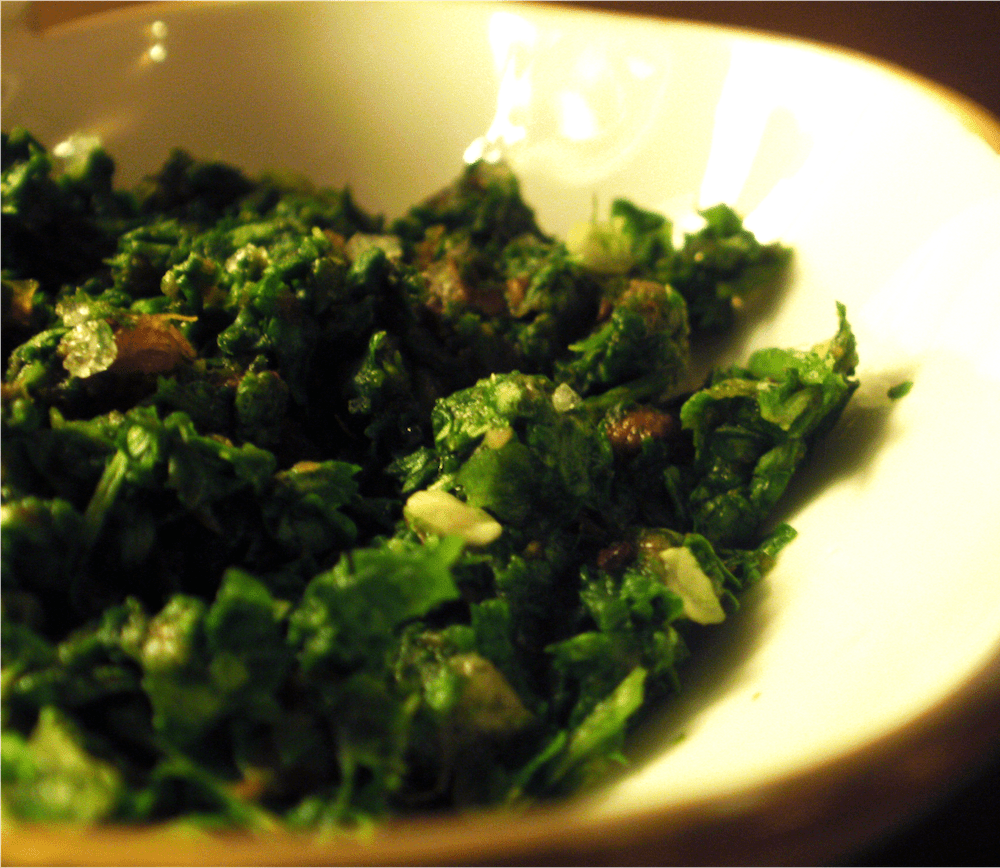
- In a blender, combine the coriander leaves, tamarind, rock salt, and green chillies.
- Blend the mixture until smooth, adding a little water if necessary to achieve the desired consistency.
- Taste and adjust the seasoning with more salt or tamarind if needed.
- Transfer the chutney to a serving bowl and serve immediately or store in an airtight container in the refrigerator.
Notes
- Store the chutney in an airtight container in the refrigerator for up to a week.
- Adjust the number of green chillies to control the heat level.
- Use fresh coriander for the best flavor.
- This chutney pairs well with rice, pakoras, and can be mixed into stir fry for added heat.
- Prep Time: 10 minutes
- Cook Time: 0 minutes
- Category: Condiment
- Cuisine: Indian
Nutrition
- Serving Size: 1 tablespoon
- Calories: 10
- Sugar: 0
- Sodium: 200
- Fat: 0
- Carbohydrates: 2
- Fiber: 1
- Protein: 1
- Cholesterol: 0
If You Liked This Recipe, You’ll Love These
- Kolkata-Style Spicy Chili Chicken
- Rhubarb Cherry Chutney with Chili
- Liangban Tofu: Spicy Cold Tofu
- Spicy Pineapple Rings
Frequently Asked Questions
Why does the recipe use tamarind rather than lemon juice as the souring agent?
Tamarind gives a deeper, more complex sourness than lemon juice — it’s fruity and slightly sweet rather than sharp. I use a marble-sized piece of fresh tamarind or tamarind paste “to taste,” which lets you adjust the tartness alongside the heat from the 2–3 green chillies.
Why does the recipe specifically call for rock salt?
Use 1/2 tsp rock salt (or regular salt to taste). Rock salt is traditionally used in South Indian chutneys for its slightly mineral, unrefined character that complements fresh coriander; regular salt works fine as a substitute.