
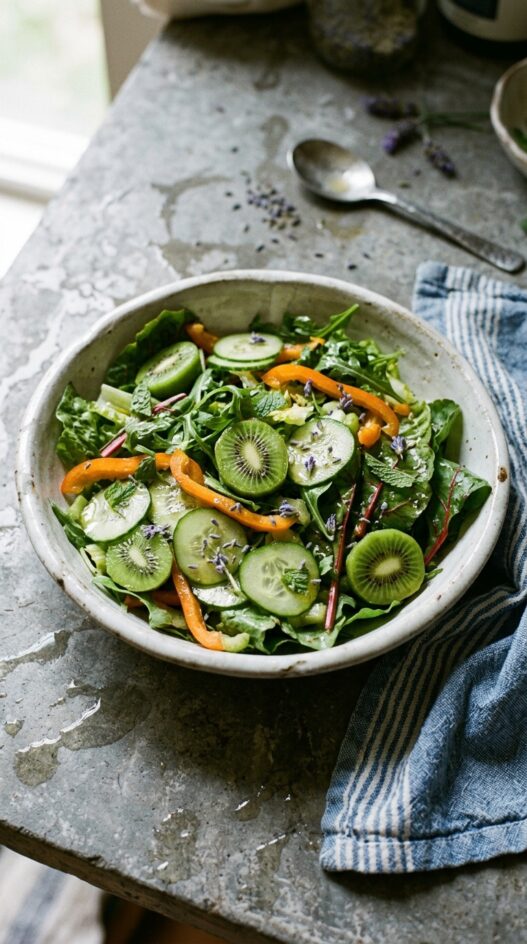
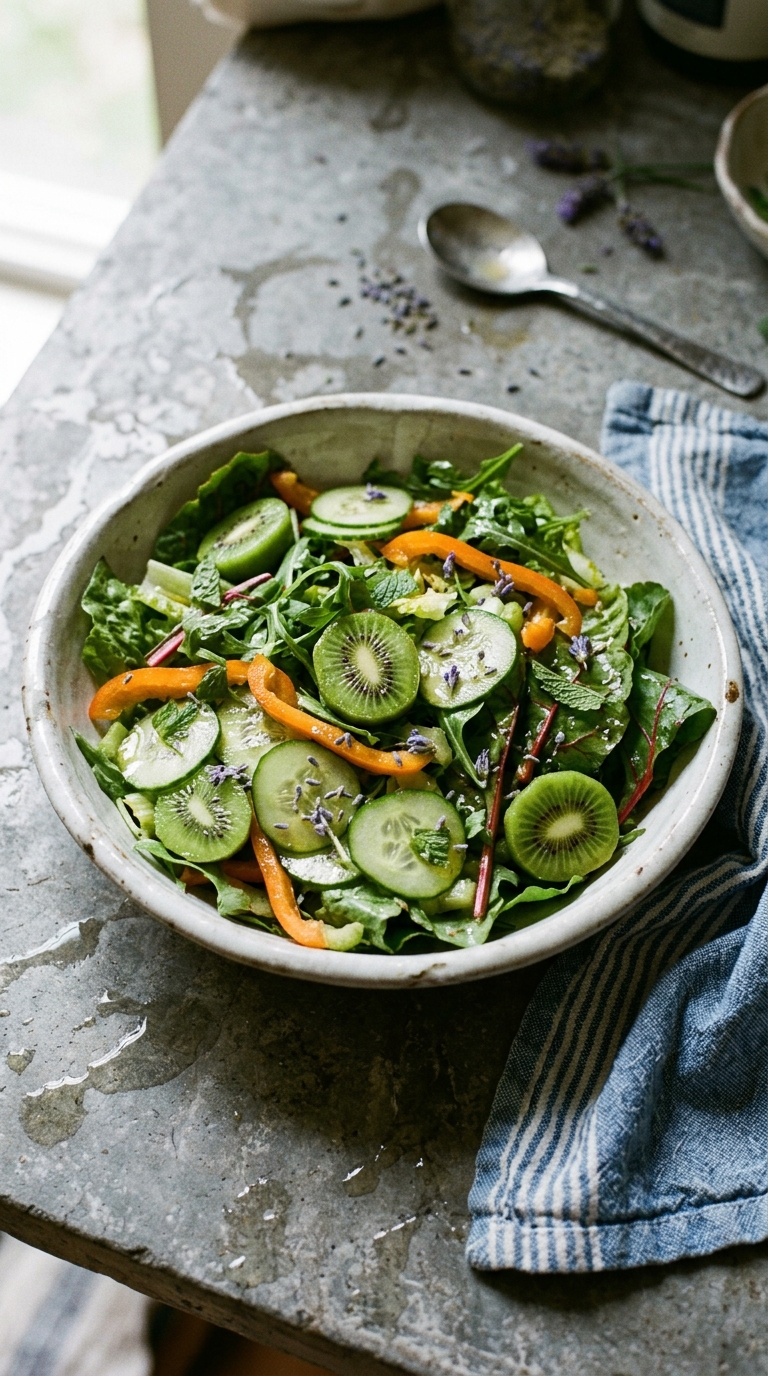
Both the farmers’ markets, as well as our gardens are exploding with color right now. And aside from being aesthetically appealing there are some potential health benefits that come along with it. Adding an array of colorful plants to your diet might just benifit more than your mood.
Phytochemicals, or more commonly know as antioxidants, play a key role in helping to protect our cells from damage. The variety of chemical compounds that make up phytochemicals, are also responsible for giving our fruits, vegetables and other plants their color.
Research tells us that a variety of foods have many different compounds and each work differently on our cells. As an example of a couple of these components that make up phytochemicals, are vitamins E and C. We know that citrus fruits, dark leafy greens and bell peppers are all good sources for vitamin C. While many of our nuts and seeds are high in vitamin E.
Of course the list goes on, but we can clearly see why adding a variety of colorful foods to our diet can have a healthful impact. If you would like to get more detailed information on the benefits of colorful foods, this article from the American Cancer Society or this article from The University of Maryland Medical Center are two I found helpful.
Whether you garden or not there is no better time to add some color to your world.
Print
An Organic Gardener’s Salad
- Total Time: 15 minutes
- Yield: 4 servings
Description
This vibrant organic gardener’s salad is a celebration of colors and flavors, featuring fresh greens, baby kiwi, and a citrus vinaigrette for a refreshing and healthful dish.
Ingredients
Salad
- 1/4 lb (112.5g) young rainbow chard, leaves and stems sliced
- 1 small bunch arugula leaves, trimmed
- 1/4 lb (112.5g) baby romaine leaves
- 4 baby cucumbers, thinly sliced
- 1 large orange bell pepper, sliced
- 16 baby kiwi, halved
- 6-8 apple mint leaves, torn
Citrus Vinaigrette
- 1/8 cup (30ml) fresh lemon, orange and lime juice, combined
- 1/4 cup (60ml) sunflower oil
- 1 tsp (4g) raw sugar
- Salt and pepper, to taste
Garnish
- 1 tbsp (15ml) culinary lavender flowers
Instructions
- Trim chard stems and slice like celery. Tear or roughly chop all greens and apple mint.
- Use a mandoline slicer or sharp paring knife to thinly slice cucumbers lengthwise.
- In a large bowl, combine chard, arugula, romaine, cucumbers, bell pepper, and baby kiwi.
- Add the apple mint to the bowl.
- Drizzle with citrus vinaigrette and toss gently to combine.
- Just before serving, sprinkle the lavender flowers over the salad.
- Serve immediately, ensuring each serving has variety of colors and textures.
Notes
- Use whatever seasonal fruits and vegetables are available to you, but try to add as much variety of color as you can.
- This salad is best served fresh.
- If storing, keep the dressing separate and add just before serving to prevent wilting.
- Prep Time: 15 minutes
- Cook Time: 0 minutes
- Category: Salad
- Cuisine: American
Nutrition
- Serving Size: 1 serving
- Calories: 150
- Sugar: 9
- Sodium: 150
- Fat: 8
- Carbohydrates: 18
- Fiber: 5
- Protein: 4
- Cholesterol: 0
If You Liked This Recipe, You’ll Love These
- Riso Freddo: Cold Italian Rice Salad
- Simple Salad
- Kale and Potato Salad with Tahini Dressing
- Carrot Cooking: Warm Shredded Carrot Salad With Carrot Greens
Frequently Asked Questions
What are baby kiwi, and are they different from regular kiwi?
Baby kiwi (also called kiwi berries) are grape-sized relatives of the standard kiwi — they have the same green, sweet-tart flesh but a smooth, edible skin so there’s no peeling needed. Use 16 of them, halved. They are often found at farmers’ markets in season and occasionally at specialty grocery stores.
Why does the recipe use lavender flowers in a salad?
I use lavender flowers alongside apple mint as an aromatic garnish — the whole idea here is eating as wide a spectrum of colors and phytochemicals as possible, and edible flowers contribute both visual variety and floral flavor. Use culinary lavender rather than ornamental garden varieties, which may be treated with pesticides.
What is in the citrus vinaigrette, and why use three different citrus juices?
The dressing is 1/8 cup fresh lemon, orange, and lime juice combined, whisked with ¼ cup sunflower oil, 1 tsp raw sugar, and salt and pepper. I use three citrus juices because each contributes a slightly different acid and sweetness profile, producing a more layered dressing than any single citrus alone — variety is the whole point of this salad.








Without specific knowledge of their cellular actions or mechanisms, phytochemicals have been considered as drugs for millennia. For example, Hippocrates may have prescribed willow tree leaves to abate fever. Salicin, having anti-inflammatory and pain-relieving properties, was originally extracted from the bark of the white willow tree and later synthetically produced became the staple over-the-counter drug aspirin.^”^..
Best regards
<http://www.healthmedicinejournal.com/index.php
Gorgeous vibrant colors and incredibly healthy! Gardening is a big part of my life – lovely post for Earth Day or any day!
Hi Vicki, thank you so much :) I love to garden as well…
What a beautiful photo! Makes me want to make this for lunch today. I grow a lot of veggies in my garden, but I was inspired by Mother Nature & Earth Day, to eat something that was organically & wild grown, therefor all of us enjoy…the dandelion. Come see how good this little pest can taste. :) http://watching-what-i-eat.blogspot.com/2012/04/cooking-with-dandelions-fritters.html
This looks great. I can’t wait to make it. Do you think it works with olive oil?
Hi Simone, yes it should work fine but probably a light olive oil versus an extra virgin. That would be less likely to compete with the fresh juices.