
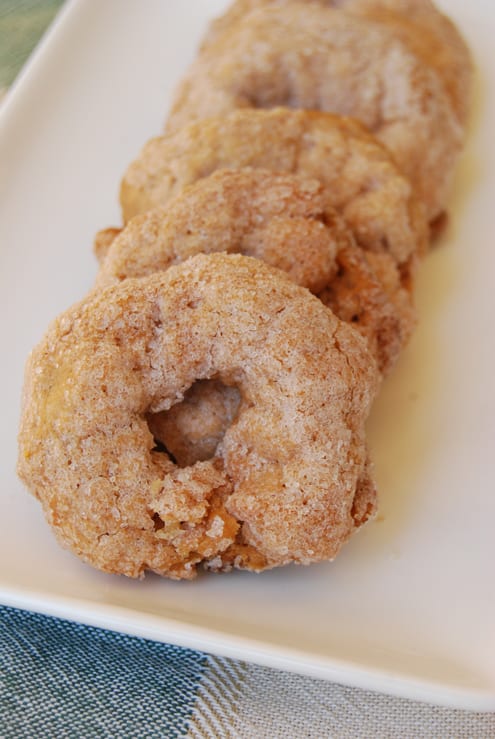
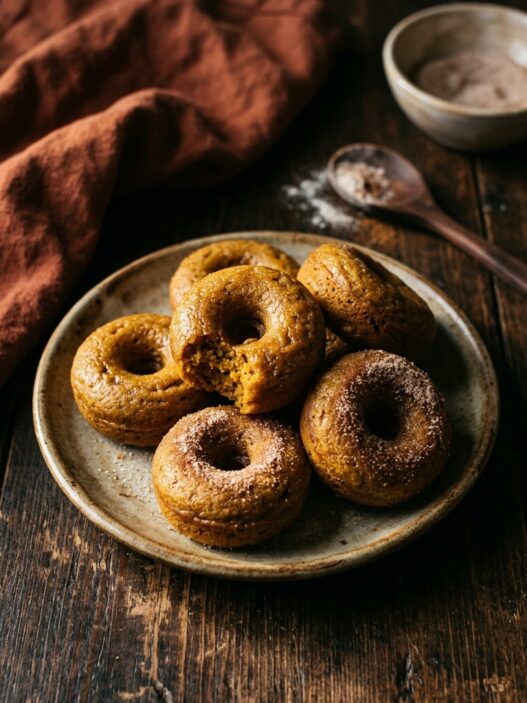
These doughnuts were born near Rome in the Roman Castles. They’re probably the most known rustic sweets in Lazio. Usually they’re eaten with some wine, and yes, there’s actually wine in the doughnuts themselves.
The classical recipe for these douhgnuts is 1 glass for each ingredient, and the flour you need to knead the dough. I’ve tried this one, with less oil and sugar and the result is perfect, even better that the original recipe, but with less calories and fats.
Note: the alcohol evaporates during baking, so these donuts are often eaten by children as well in Italy – dunked in milk.
Print
Wine doughnuts
- Total Time: 30 minutes
- Yield: Approximately 12 doughnuts
Description
These rustic Italian wine doughnuts from the Roman Castles are infused with wine and perfect for dunking in milk or enjoying with a glass of wine.
Ingredients
- 1 glass of wine (I used a Nero d'Avola a sicilian red wine, you can also use a chardonnay - the taste will be slightly different depending on the type of wine you're using)
- 3/4 glass of extra virgin olive oil ( you can also use 50% peanut oil 50% olive oil)
- 3/4 glass of sugar
- flour to knead the dough (I used about 350gr)
- a pinch of baking soda
Instructions
- Preheat the oven to 180°C (350°F).
- In a large bowl, mix together the wine, olive oil, and sugar until the sugar is dissolved.
- In a separate bowl, combine the flour and baking soda.
- Gradually add the flour mixture to the wet ingredients, mixing continuously until the dough becomes thick and silky. The dough should be firm enough to shape but still pliable.
- Shape the dough into small rings or doughnut shapes.
- Place the doughnuts on a baking sheet lined with parchment paper.
- Bake in the preheated oven for 20 minutes or until the doughnuts are golden brown.
- Remove from the oven and let cool on a wire rack. Serve with wine or milk.
Notes
- The alcohol in the wine evaporates during baking, making these doughnuts suitable for children when dunked in milk.
- You can experiment with different types of wine for varied flavors.
- Store in an airtight container for up to 3 days.
- Prep Time: 10 minutes
- Cook Time: 20 minutes
- Category: Baking
- Cuisine: Italian
Nutrition
- Serving Size: 1 doughnut
- Calories: 150
- Sugar: 8
- Sodium: 50
- Fat: 7
- Carbohydrates: 20
- Fiber: 1
- Protein: 2
- Cholesterol: 0
If You Liked This Recipe, You’ll Love These
- The Peculiar Centuries-Old Italian Grapevine Drapes of Aversa
- An Italian Classic: How to Make Ciabatta Bread
- Maritozzi con la Panna: Cream Filled Italian Buns
- Ciambellone: How to Make the Classic Italian Ring Cake
Frequently Asked Questions
Is the wine in these doughnuts a concern for children?
No — the alcohol evaporates during the 20-minute bake at 180°C (350°F). In Italy these doughnuts are traditionally eaten by children, typically dunked in milk rather than wine.
Does the type of wine affect the flavor?
Yes — I use a Nero d’Avola (a Sicilian red), but a Chardonnay will produce a slightly different taste. A richer red gives earthier doughnuts; a white wine will be lighter and more neutral.
Why is the flour quantity approximate rather than exact?
Because each ingredient is measured in one glass, the flour needed to bring the dough together varies. Approximately 350 g works well — add it gradually until the dough is thick, silky, and firm enough to shape into rings.

Hi V, please check the other comments, to see more specific measures :)
The recipe mentions a glass to measure the ingredients but it should be more specific in the actual measurements. Please provide.
The recipe looks wonderful but what size wine glass are you using? Using “a glass” as a form of measurement is so ambiguous however enchantingly traditional it may be. Thanks for the recipe and the help.
Hi Tina, I used a glass as measurement because traditionally you can use every kind of glass you have on hand, the other ingredients should be measured with the same glass.
By the way, usually a medium size glass is about 200ml, if you have a bigger one you will only need to increase the flour. Hope this can help!
Thanks
Elisa