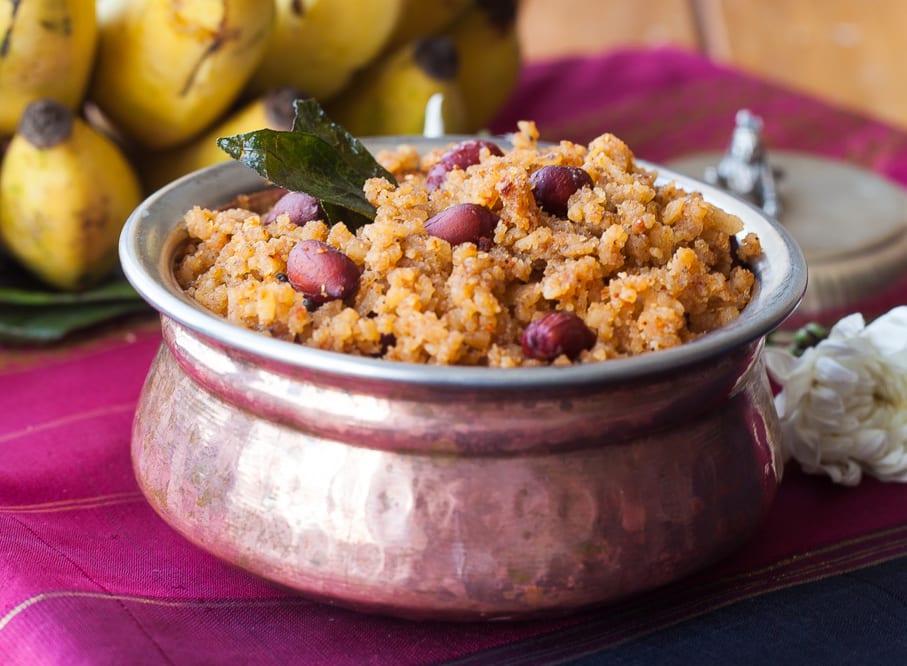

Gojjavalakki: Karnataka Tangy-Sweet Flattened Rice
- Total Time: 25 mins
- Yield: 4
Description
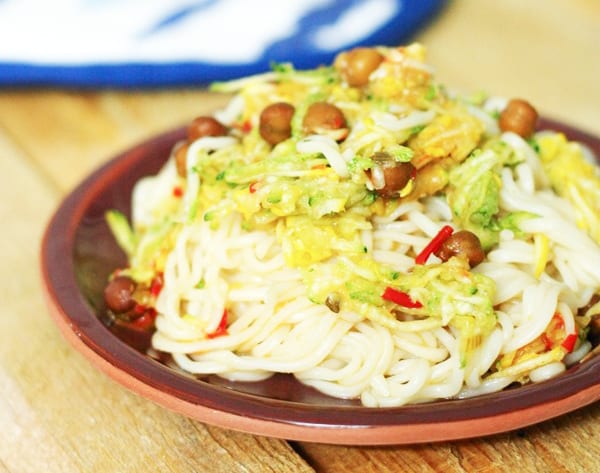
Gojjavalakki is beaten rice which is soaked in tamarind pulp and spiced with rasam powder. It is sweet, tangy, spicy and crunchy at the same time.
Ingredients
- Beaten rice or Poha- 1-1/2 cups (360 ml)
- Ghee- 1 tsp
- Tamarind- 1 lime sized, soaked in water for 15min
- Jaggery- 1 small lime sized
- Salt- to taste
- Oil- 2tbsp (30 ml)
- Mustard- 1tsp
- Peanuts- a handful
- curry leaves- 8-10
- hing- a pinch
- Rasam powder- 1tbsp (15 ml), store brought or home made
- Black sesame seeds- 1tsp
- Grated dry coconut- 3 tbsp (45 ml)
Instructions
- Heat ghee in a thick bottomed pan and roast the Poha till crisp and set aside to cool.
- Pulse the poha in a blender for 5-6 times or till the Poha is coarsely powdered.
- Transfer the poha to a sieve and wash under running water for a couple of times and keep aside.
- Roast the sesame seeds and the dry coconut separately and allow them to cool.
- Mix the sesame seeds and coconut together and grind to a fine powder and keep aside.
- Extract the tamarind pulp from the soaked tamarind and add to the soaked poha. Add the salt and jaggery and mix well.
- Heat oil in a wok and add the mustard seeds. Once they crackle, add the peanuts and fry till they turn brown.
- Add the curry leaves and hing and fry for a minute more.
- Stir in the poha-tamarind mixture and rasam powder, mix well and allow the mixture to simmer for 2min
- Add the sesame-coconut powder and mix well. Adjust the seasoning and serve hot.
- Prep Time: 10 mins
- Cook Time: 15 mins
- Category: Snack
- Cuisine: South Indian
Nutrition
- Serving Size: 1 serving
- Calories: 230
In Karnataka, in the south-west of India, "poha" is rice that has been flattened into thin dry flakes, close to rolled oats but made of rice, and most dishes that feature it are soft and gentle.
Gojjavalakki is its somewhat louder cousin. Based on poha, but sweet and sour and hot and crunchy in the same mouthful; it is fabulous.
The sour comes from tamarind and the sweet from jaggery, which is unrefined cane sugar with a molasses edge to it. The heat comes from a tablespoon of rasam powder, the South Indian spice blend named after the thin peppery soup it usually goes into. Shop bought is perfectly good, and both are worth a trip to an Indian grocery if you have one near you.
There is one step in the method you would never guess at. Roast the poha in ghee until crisp, pulse it in a blender five or six times until it is coarsely broken up, and then wash the crumbs under running water. What? Yes, do not skip that wash. It takes off the loose starch and lets the flakes drink evenly instead of turning to paste.
Everything after that is quick. Pop mustard seeds in hot oil, fry a handful of peanuts until they brown, throw in curry leaves and a pinch of hing, then fold the soaked poha through with the rasam powder and give it two minutes on the heat.
Toasted sesame and dry coconut, ground together into a powder, sprinkled over the top last of all.
If You Liked This Recipe, You’ll Love These
- How to Make Indian Pancakes: Easy, Crispy, Homemade Dosas
- ISHQ Restaurant NYC: A Modern Love Letter to Indian Cuisine
- Slow Cooker Shrimp Tikka Masala
- Traditional Authentic Seafood Paella
Frequently Asked Questions
Why is the poha (beaten rice) roasted, powdered, and then washed before using?
I first roast 1½ cups of poha in ghee until crisp, then coarsely pulse it in a blender 5–6 times. That coarse powder is washed under running water to remove excess starch and allow it to absorb the tamarind-jaggery mixture evenly — soaking the poha directly without this step would give a mushy rather than pleasantly tender result.
What is rasam powder and where can I find it?
Rasam powder is a South Indian spice blend used in soups and rice dishes; I call for 1 tbsp and you can use either store-bought or homemade. It is available at Indian grocery stores and online, and is central to giving this dish its characteristic tangy-spicy flavor.
When should I add jaggery, and how much?
Add a lime-sized piece of jaggery to the soaked poha along with the tamarind pulp and salt, and mix well. The jaggery balances the tamarind’s sourness — this dish is meant to taste sweet, tangy, and spicy. Adjust the amount to taste depending on how sour your tamarind is.