
There is a factory in Padua where Federico Zanellato’s father, his grandfather, his uncle and his cousins made jackets and jumpers for Italian fashion brands. Tailoring ran through the family the way waves runs through the Adriatic, inevitably. From the age of twelve, Federico was expected to learn the trade. His friends played football in the streets. He pressed seams.
He hated it. He hated studying too. So, out of what he describes with a disarming grin as revenge, he enrolled himself at cookery school in Abano Terme, near Padua, at a time when he felt no particular passion for food whatsoever. “I would lie if I tell you that I was passionate about cooking at that age,” he says. “But I was exposed. My grandparents on my mother’s side had a farm with pigs, rabbits, chickens, a vineyard and orchards. I remember collecting the blood from the pig. Those memories are very clear and they will probably stay with me until I die.”
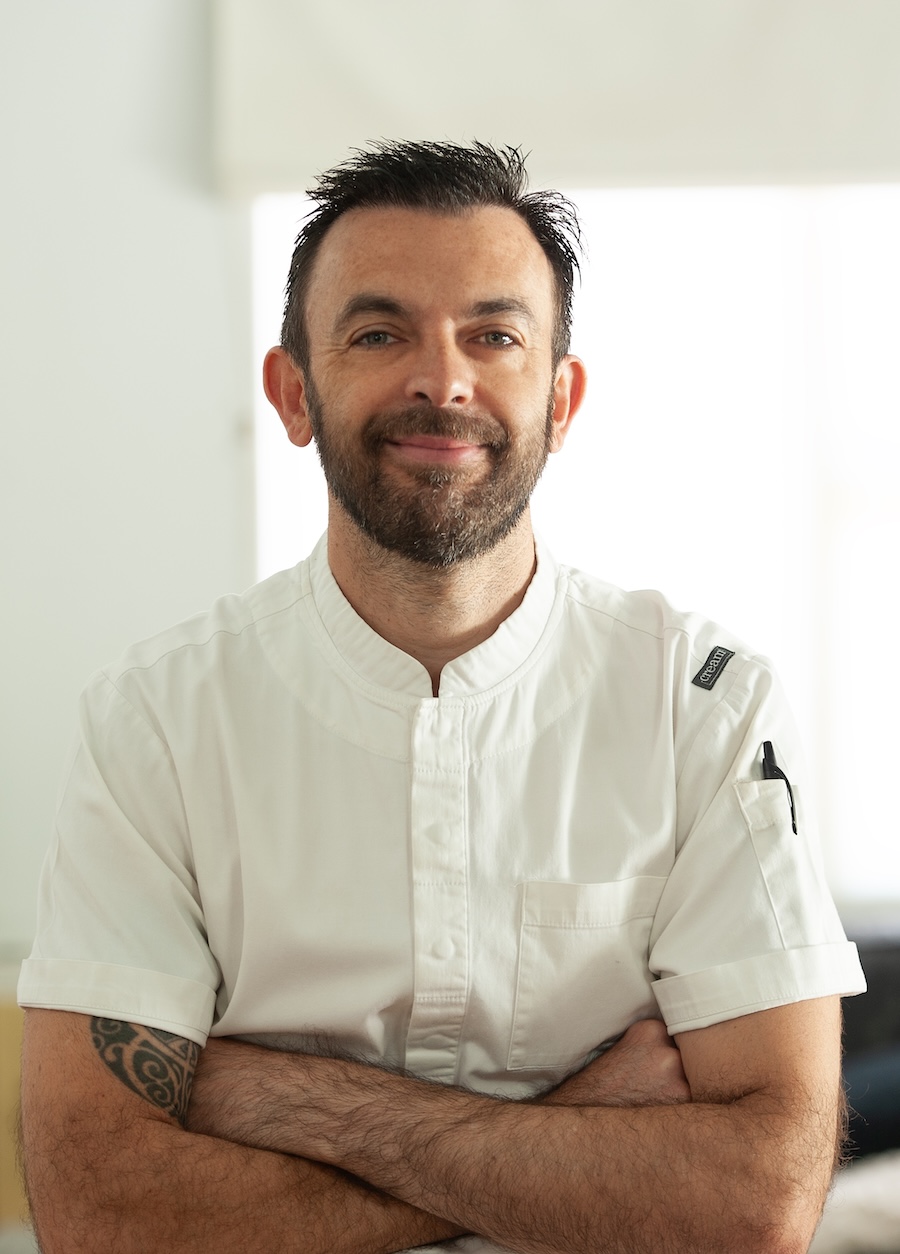
It’s a beginning stripped of romanticism, and Federico prefers it that way. The passion, he insists, was not born but built slowly, across years, continents and kitchens until it became so inseparable from his identity that he could no longer imagine doing anything else. The dedication and commitment to work, he believes, was inherited from his family of tailors. He simply applied it to cooking instead of cloth.
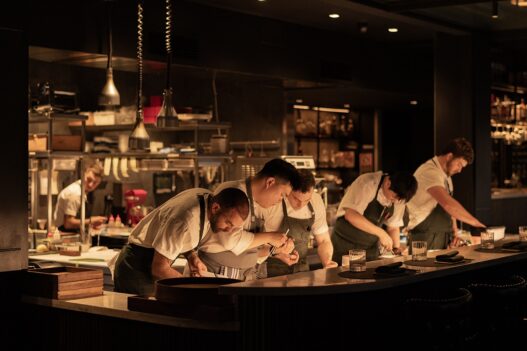
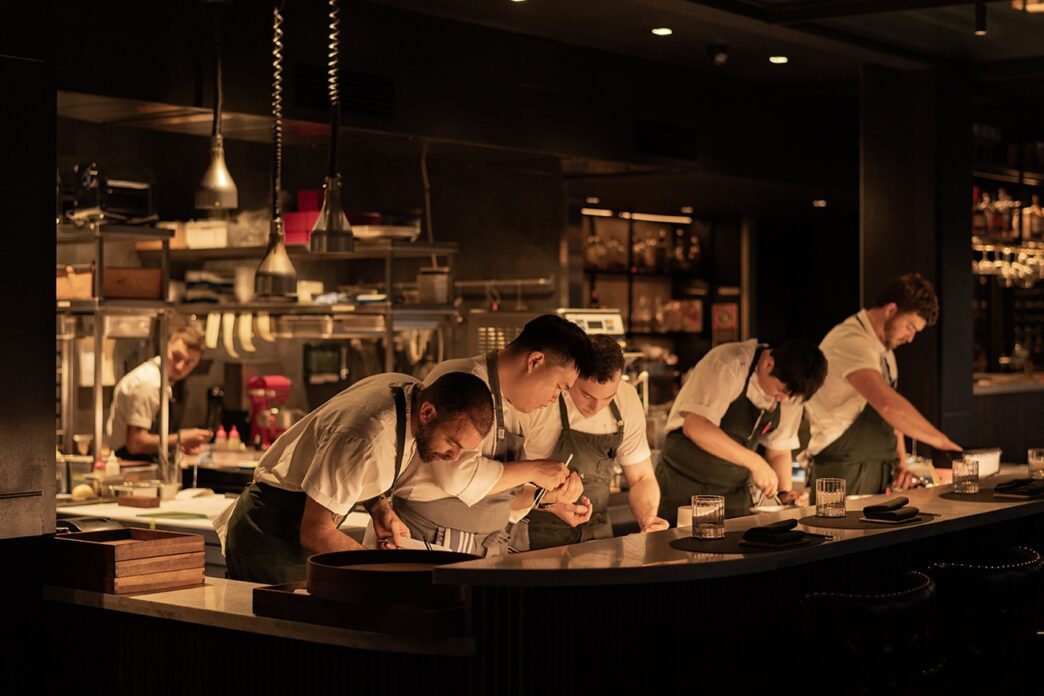
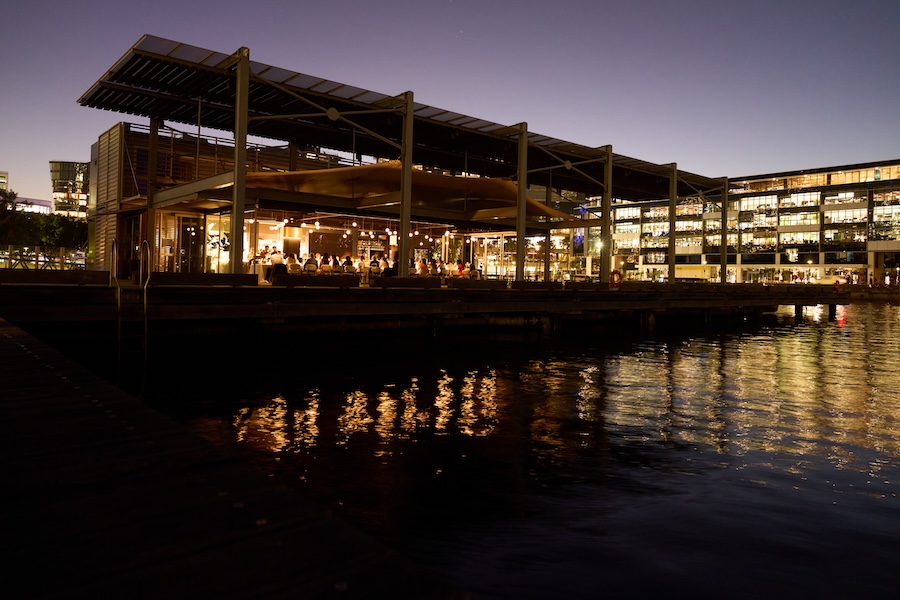
Today, from a harbourside restaurant in Pyrmont Bay, Sydney, Federico Zanellato and his wife Michela Boncagni oversee no fewer than eleven culinary businesses across Australia’s greatest city, employing more than 120 people. LuMi Dining, their flagship, was named Best Italian Restaurant in the World by Gambero Rosso International in 2019, and Federico was crowned Chef of the Year by the Sydney Morning Herald Good Food Guide in 2017. Yet the full scope of what this Italian immigrant couple has achieved; arriving with talent, ambition and not much else, and constructing an entire culinary constellation; remains largely untold beyond Sydney’s borders.
From Padua over London to Tokyo
After five years in culinary school and a first season on Italy’s Adriatic coast, Federico left for London at eighteen. Not because London was a gastronomic mecca; it wasn’t, in the late 1990s; but because he was hungry to see the world, learn English and grow. “I just wanted to go to a bigger city, become a better person and become a better cook,” he says. “There was no specific restaurant. I just wanted to get better.”
He landed at The Ritz Hotel, where the cooking was old school French, the hierarchy unyielding and the hours savage. It was formative in the way that difficult things are formative: it built discipline, stamina and a baseline of classical technique that would prove indispensable later.
From London he returned to Italy, to La Pergola in Rome under Heinz Beck, where precision and Germanic rigour met Italian ingredients. It was here that Federico met Michela, then a guest, already a certified sommelier, a microbiologist by training and a woman with a personality he describes as considerably stronger than his own. They have been together since he was twenty-five. Twenty-one years and counting.
Then came the choices that would define his trajectory. Japan first: a period at the three Michelin-starred Nihonryori RyuGin in Tokyo that fundamentally reshaped his culinary imagination. “I wanted to see kaiseki cuisine,” he says. “I was curious why they handled fish that way, why they used those knives, why everything moved with that precision.” He worked six days a week, nine in the morning until two the following morning.
Copenhagen followed: a stage at Noma during 2011, the first year it was crowned number one in the world. Then Melbourne, at Ben Shewry’s Attica. Each stop was chosen with surgical intent. Tokyo for technique and philosophy. Noma for the Nordic movement. Attica for the discipline and the connection to the Australian landscape.
The Choice That Built Everything
When Federico returned from Japan, two offers waited. One was a position under Joël Robuchon in Paris, facilitated by a former colleague from La Pergola who had become head pastry chef at L’Atelier. The other was a call from a close friend in Sydney, Alexander Bonia, who had just opened a restaurant and then suffered a heart attack, requiring open-heart surgery. He needed someone to run his kitchen.
Federico and Michela faced the decision together. Paris or Sydney. Robuchon or friendship. The ego or the heart. They chose Sydney.
“It’s a decision I do not regret,” Federico says. “I don’t live with the remorse. What would have happened if I had moved to Paris? I don’t think about it. I am super grateful for what this country and this city have allowed me to do.”
What began as a temporary rescue mission became a life. Federico ran his friend’s kitchen, fell in love with the city, and within a few years had opened LuMi Dining on the waters of Pyrmont Bay, the restaurant that would make his name.
LuMi: Light in Italian, and Something Brighter
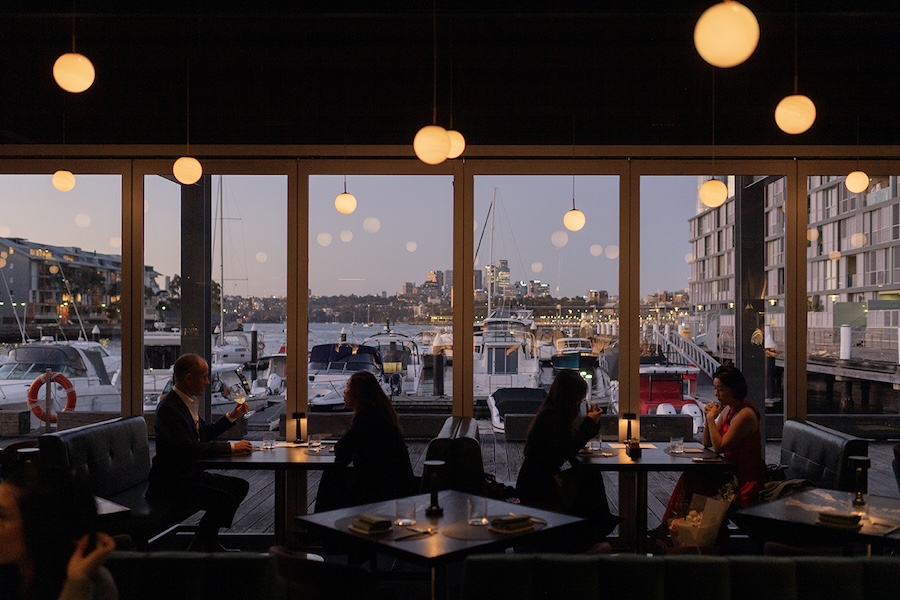
The name carries a double meaning. Lumi is “lights” in Italian, the restaurant’s ceiling is strung with hundreds of pendant lights that glow like a constellation above the harbour. But it is also the first two letters of the names of Federico’s twin daughters: Luna and Mia, something brighter.
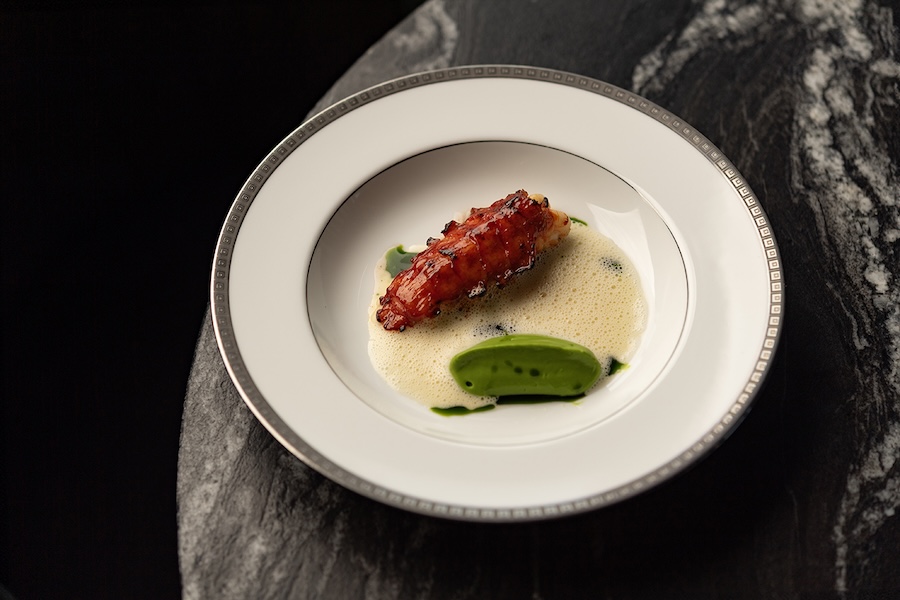
LuMi offers a tasting menu driven by the best produce Australia has to offer; and Australia, as Federico is quick to point out, is enormous. “Western Australia is five hours’ flight away,” he says. “That’s like cooking in Barcelona and sourcing produce from Moscow.” Local, in this context, means the whole continent, and sometimes New Zealand too, which is closer than Perth. Native marron, a freshwater crustacean, arrives from Western Australia. Wild crayfish comes from New Zealand. Vegetables are grown by third and fourth-generation Chinese and European farming families who cultivate their own varieties in Australian soil.
The cooking resists labels. It’s not Italian, though there is always a pasta dish on the menu and Italian sensibility; low intervention, respect for the ingredient, hence minimal manipulation; runs through everything like a bass line. It’s not Japanese, though the influence of kaiseki, of dashi, of RyuGin’s exacting standards is present in the precision and the lightness. It’s not Nordic, though the years in Copenhagen left traces in fermentation and preservation. And it’s not definitively Australian, though the produce is and so is the casual warmth.
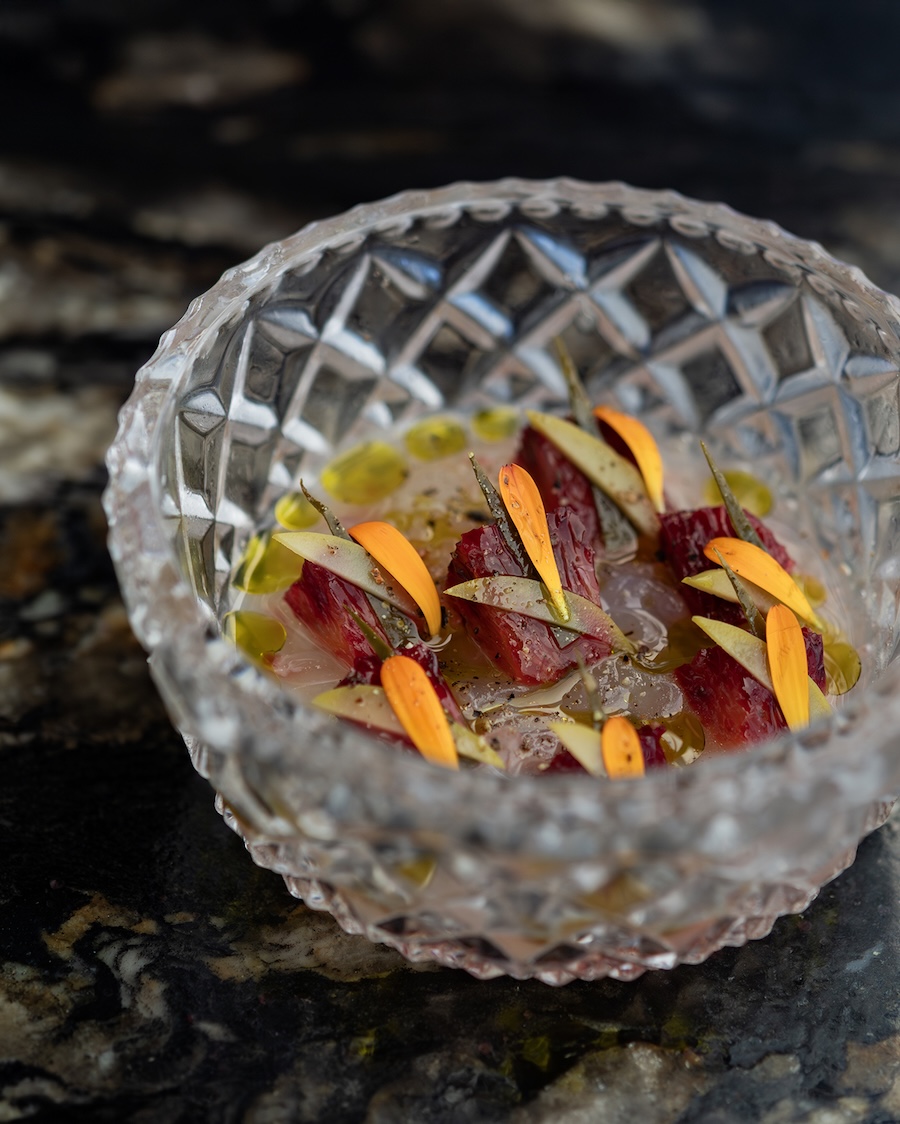
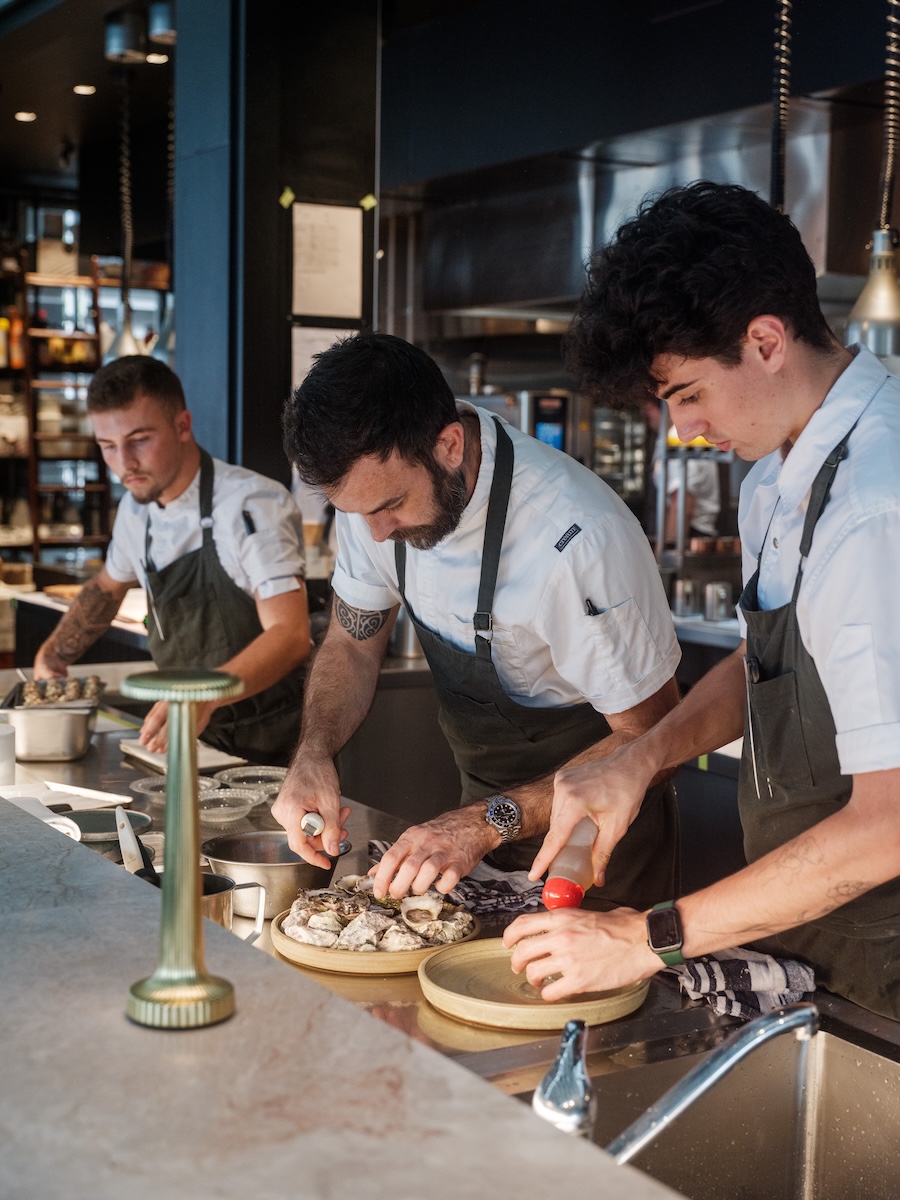
“I would say it’s produce-driven cuisine using common-sense technique to highlight the ingredients,” Federico says. “Common sense meaning: don’t bastardise the produce. Don’t over-manipulate it. Don’t show a big ego. I’m just a very humble cook who is passionate about what I do and I’m trying my best to do justice to what farmers, fishermen and growers do, because for me, those are the heroes.”
Ferran Adrià, his culinary idol, once said there is no difference between cooking a carrot and a lobster. Federico quotes this approvingly. Whether it is a thirteen-course tasting menu at LuMi or a margherita at Regina, the ethos is identical: to cook with the same care and attention.
Tradition and Freedom
When asked to choose between the two, Federico does not hesitate. “Freedom. Always freedom.” But he qualifies the answer immediately: “Freedom is based on the knowledge of tradition. Only once you know how to master and execute the traditional can you have the freedom to change and evolve.”
He is not interested in deconstructed tiramisù or ironic riffs on grandmother’s cooking. He is emphatically against bastardising classics. But he also believes that his nonna, magnificent as she was, overcooked some stews. “I would tell her: Nonna, once you reach the right temperature and the connective tissue has melted, stop the cooking. Don’t overcook it. I love you, but stop.” The Italian culinary philosophy of necessity and of zero waste runs deep, but the execution can evolve.
The Kingdom
The diversification was deliberate. Fine dining, Federico understood early, carries an expiry date. Very few restaurants become institutions. COVID confirmed what he had already suspected: a chef who depends on a single concept is vulnerable. A chef who covers different demographics, different price points and different scenarios can survive whatever comes.
“If there is a crisis and people can’t afford fine dining, they will always spend ten dollars on a croissant or a bowl of yogurt,” he says. “When the economy is stable, fine dining thrives. I wanted to cover both.”
And so the kingdom expanded, each business bearing the same fingerprint; world-class standards, seasonal produce and no shortcuts; but applied to radically different formats.
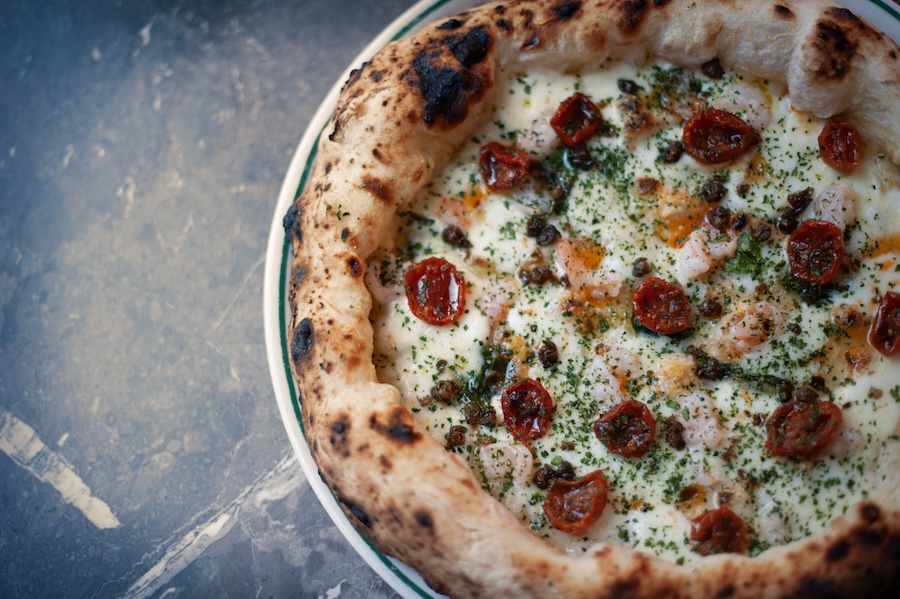
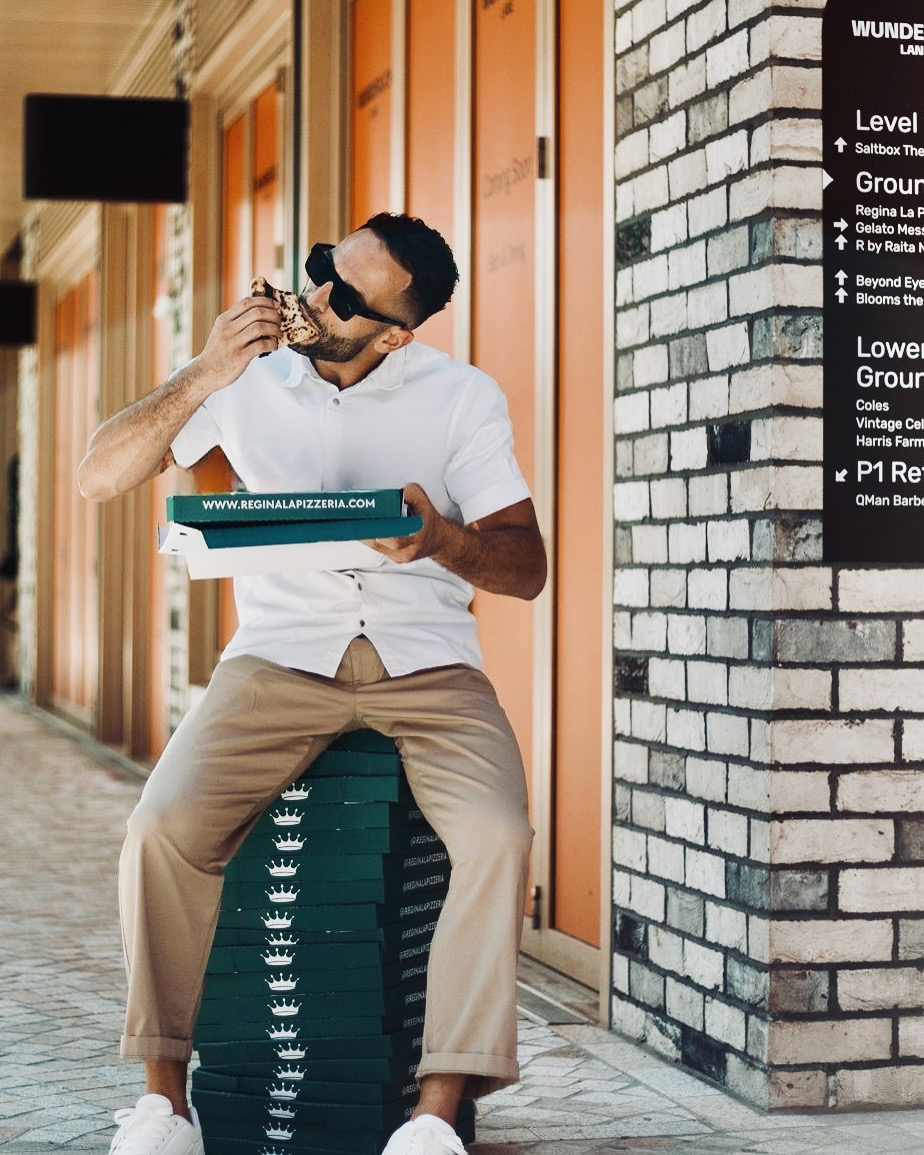
Regina La Pizzeria is Michela’s domain, run in partnership with Matteo, a thirty-two-year-old pizza obsessive whom Federico describes with undisguised admiration as someone who “lives, breathes and sleeps flour and preferments.” They imported a Forni family oven from Italy, the first of its kind in Australia, designed for contemporary style pizza with a lower dome and smaller mouth. Three styles of pizza are offered: a twice-cooked version fried then finished in the deck oven, a deep-pan padellino, and a contemporary wood-fired. The mozzarella comes from Latteria Sorrentina in Campania, the tomatoes from Solania. The dough hydration reaches ninety percent for the deck oven version, producing something impossibly light and crisp. The best-selling pizza is named Bocelli: four cheeses finished with chilli honey from a friend in Sydney and walnuts that are candied in sugar and then fried.
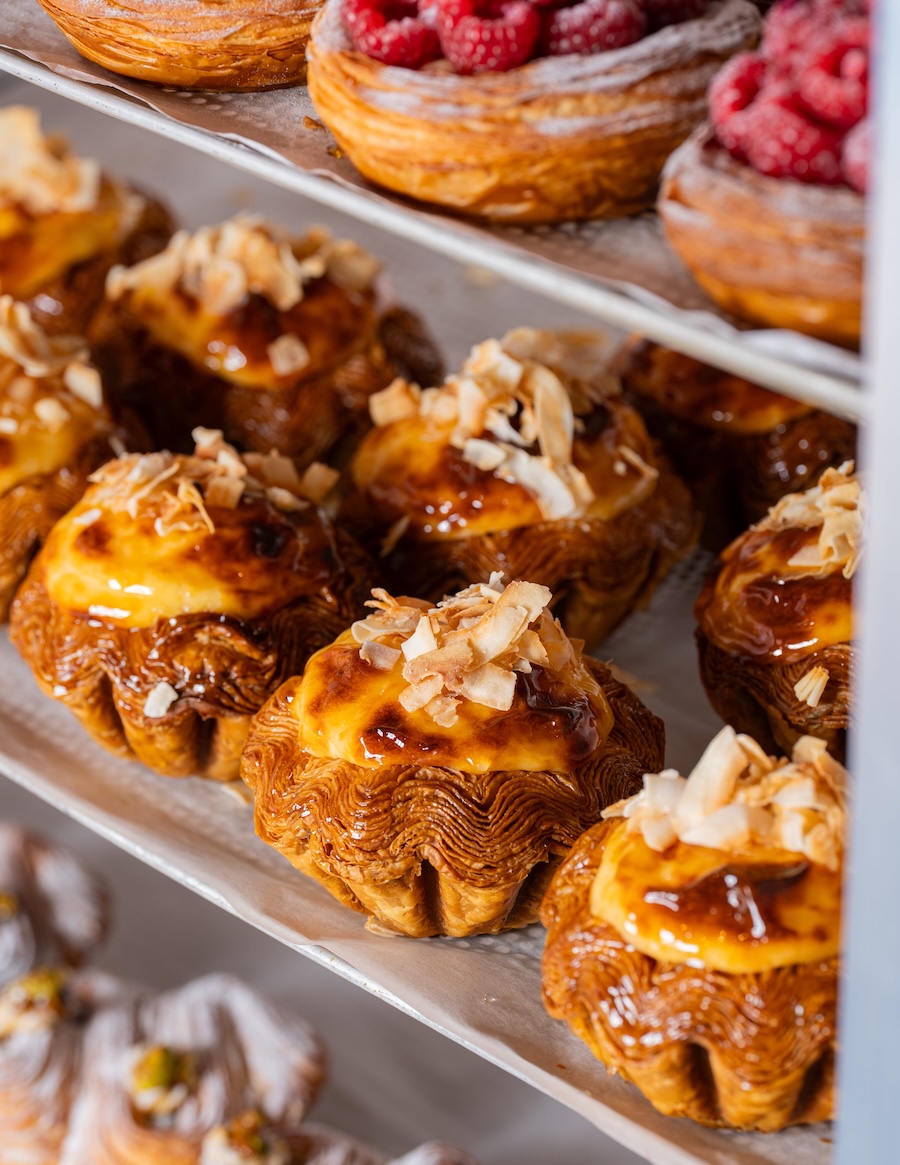
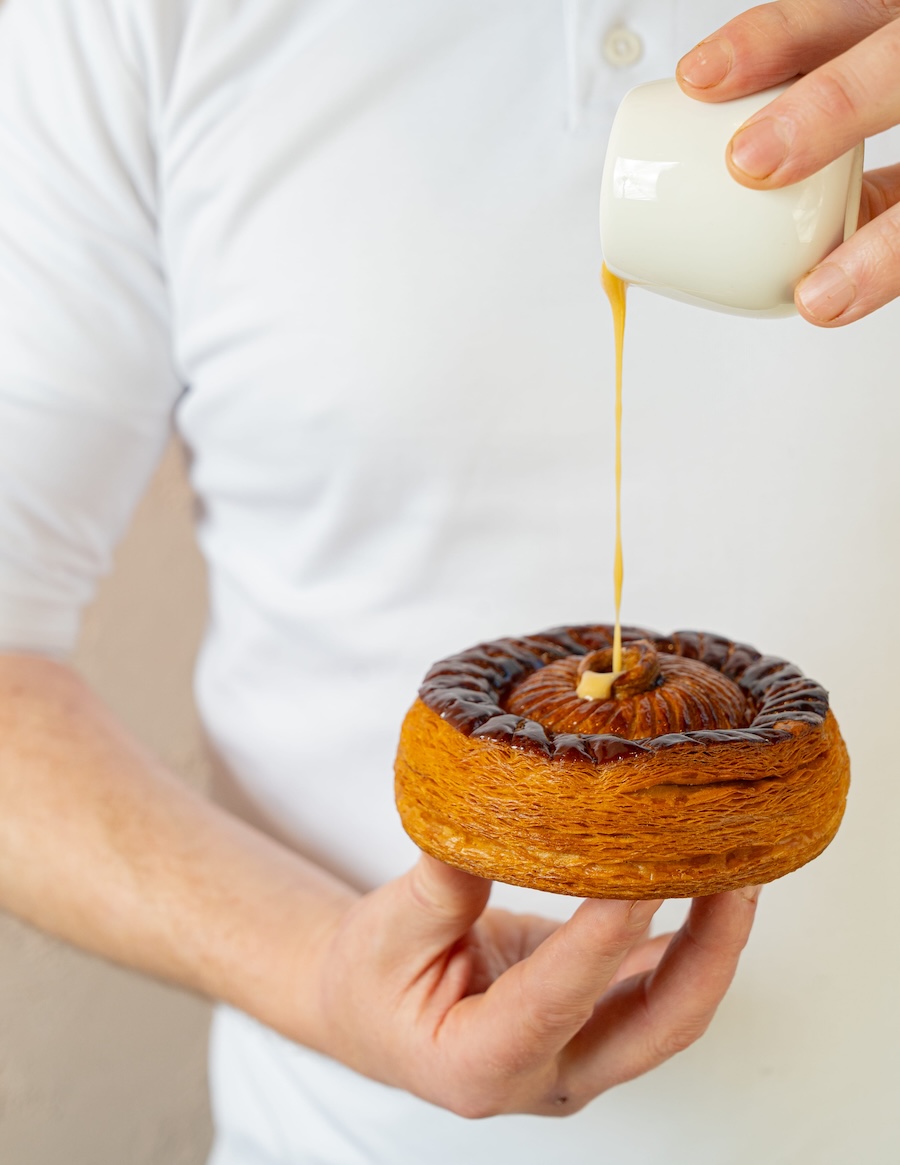
Lode Pies and Pastries, now across multiple locations, specialises in sourdough, lievito madre baguettes, Japanese-French bakery and San Francisco-style sourdough. All lamination, all preferment, all shaping is done by hand. Croissant, brioche, pain au chocolat, alongside Japanese-inspired shokupan. A café menu has recently been added.
Leo is a classic Italian trattoria: tortellini with crab, risotto alla milanese, scallop with marsala. Unpretentious, well executed, rooted in the tradition Federico learned at his grandmother’s table and refined across decades of professional kitchens.
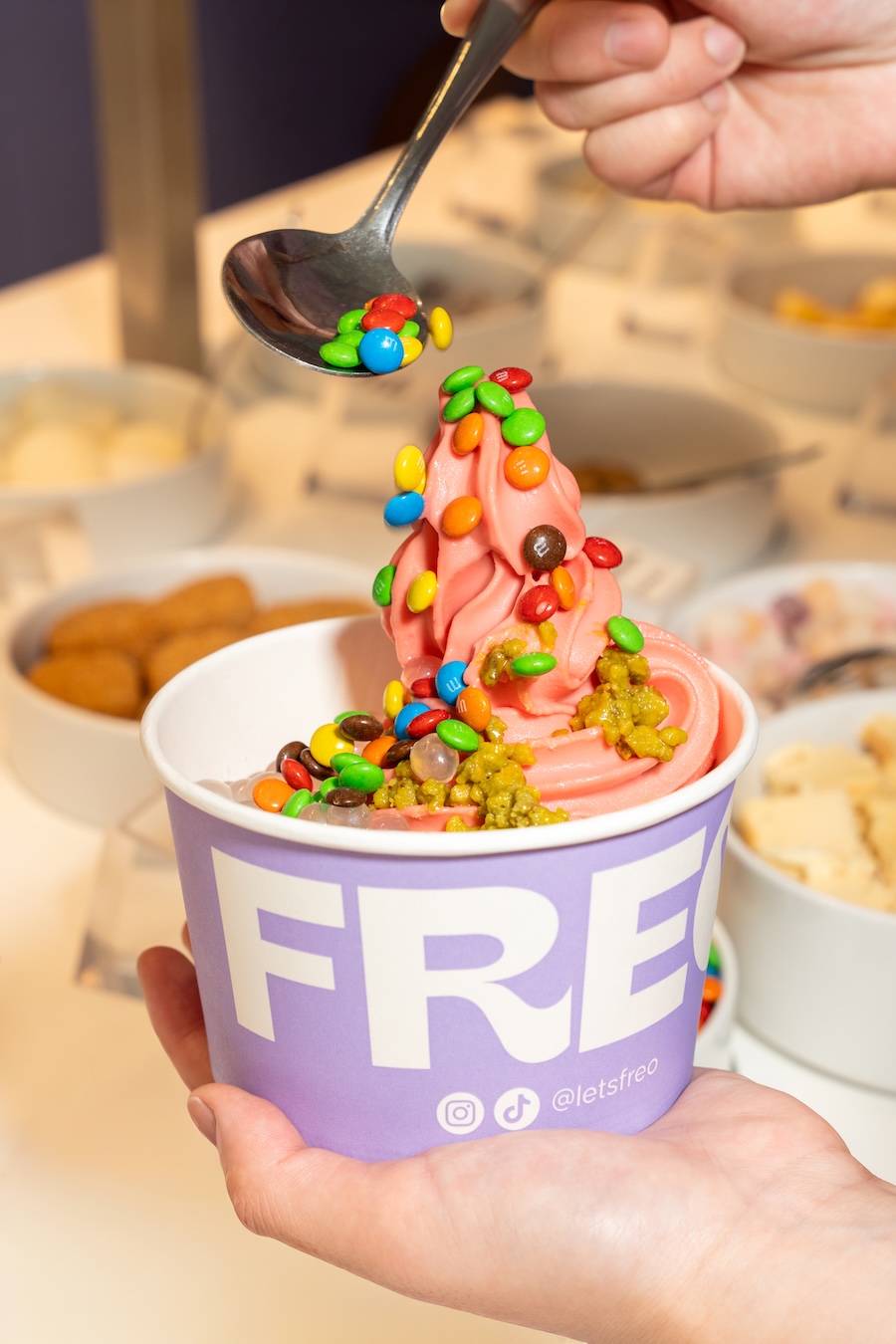
Freo is a self-serve frozen yogurt and express gelato operation. The base is pasteurised in-house from a sixty-percent pot-set yogurt with stabilisers, water and sugar, then turned through soft-serve machines. Twelve flavors at any time, from Sicilian pistachio to black sesame. Customers build their own cups, choose their toppings, and pay by weight at four dollars per hundred grams. Federico’s twin daughters, now twelve years old, consider it their favorite venue in the family. “They love to get messy,” he says.
Professionally Divorced
The partnership between Federico and Michela is described with characteristic honesty. “We are professionally divorced,” he says, and laughs. For the first five years they ran LuMi together, but Michela wanted a business she could call her own.
The solution was Regina. Federico helped her set it up and still supports the menu development with Matteo, but the day-to-day operation is hers. She gives him a hand with wages and wine sourcing at LuMi; he stays out of her kitchen at the pizzeria. It works because each respects the other’s space and because the underlying philosophy, the commitment to excellence in every detail regardless of price point, remains shared.
“My motto,” Federico says, “is that it doesn’t matter if you’re cooking a pizza, a cheeseburger or a lobster. You always apply the same care and the same attention to detail. You can teach skills. You cannot teach attitude.”
What Comes Next
If you ask him about the future, Federico will tell you that his dream is to cook Spanish food. One of his best friends, Victor Moya, a Spanish chef who has worked with the Roca-family and Paco Morales, is the person with whom he practises Spanish tortilla, debating the sacred question of whether it should be with or without onions, runny or set, flipping the thing ten times until the layers are perfect. Spain, he says, is his favorite country in the world to eat.
Beyond that, in fifteen years, a farmhouse somewhere in the Italian countryside, open for five months a year, with a few rooms and breakfast and lunch for twenty guests. Padua reclaiming its son, but gently, and only when the Sydney-businesses run on autopilot.
For now, though, Federico Zanellato is where he wants to be. A cook from Padua who didn’t want to study, who enrolled at cookery school out of revenge against his father’s tailoring workshop, who followed his curiosity from London to Rome to Tokyo to Copenhagen to Melbourne to Sydney, and who has built something that almost nobody else in the industry has managed: not one restaurant, but a genuine culinary kingdom, spanning fine dining, casual Italian, artisan pizza, award-winning pastry and frozen yogurt, all in one city, all bearing his creative fingerprint.
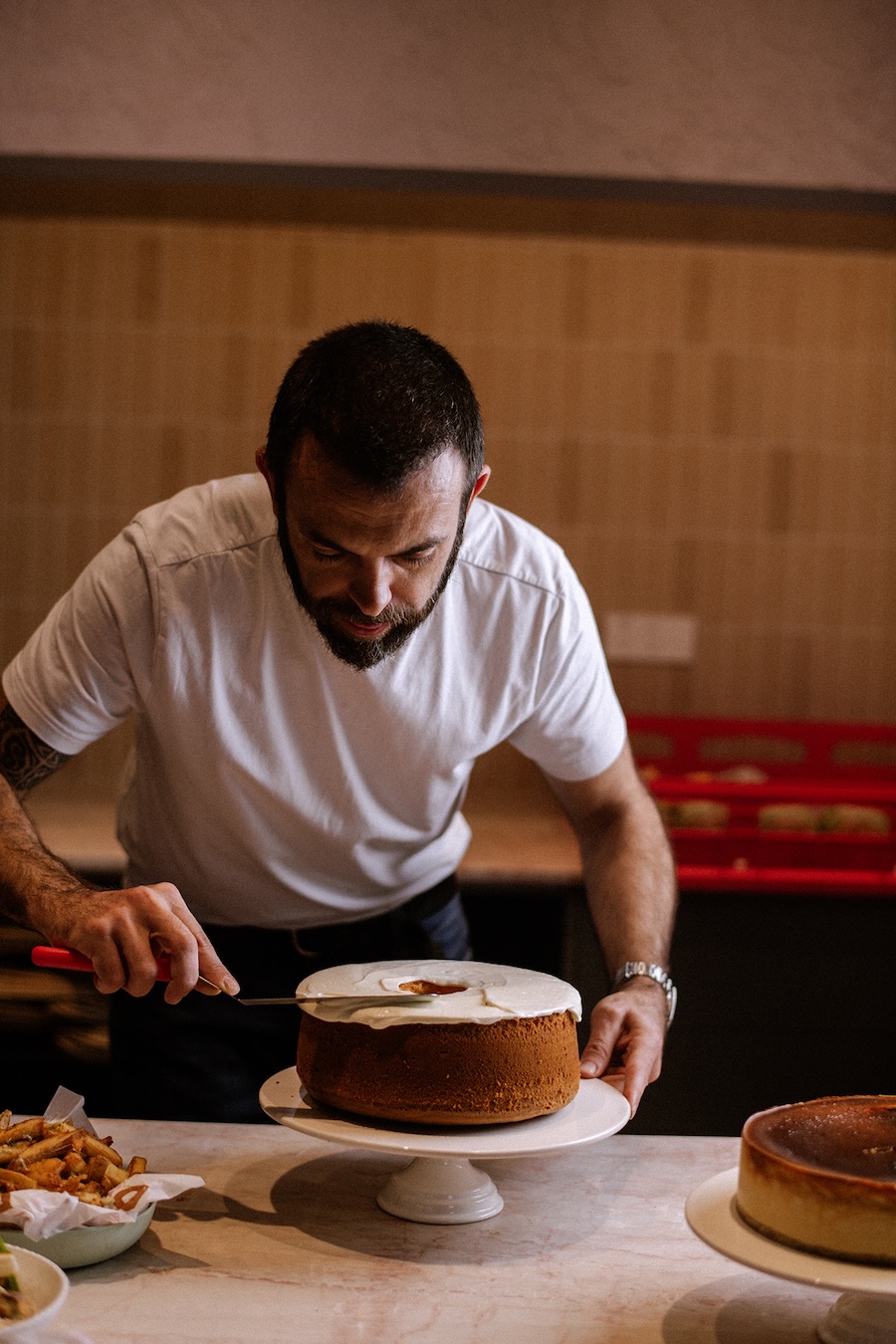
When asked what legacy he hopes to leave, he doesn’t reach for grandeur. “If I can give people a few hours of joy when they come to our venues,” he says, “and if I can pass on a little bit of my knowledge, my skill and my drive to my team, that would be a dream.”
Then, just before the tal ends, a final question: pineapple on pizza?
“Yes,” he says, without hesitation. “If well secured. Tradition, yes. But also freedom. Otherwise you never get to explore.”
LuMi Dining: 56 Pirrama Rd, Pyrmont, Sydney. www.lumidining.com
Regina La Pizzeria: RL 107/109/2 Baptist St, Redfern, Sydney. www.reginalapizzeria.com
Lode Pies and Pastries: Multiple locations in Sydney. www.lodepies.com
Restaurant Leo: 1/2-12 Angel Pl, Sydney. www.restaurantleo.com.au
Freo: Multiple locations in Sydney. www.letsfreo.com
Federico is hands down the best chef in Sydney, but no pineapple on my pizza pls ?
The Padua-to-Pyrmont-Bay arc pulled me in on this profile. From pressing seams at twelve to eleven businesses in Sydney is a path I haven’t read in much food writing. Going to try to get a LuMi reservation the next time I’m in Sydney.