

As strange as it sounds, I have never really loved Dolmades, those cute looking stuffed grape leaves that you find in most Middle Eastern restaurants… I remember having them a couple times, once in Hong Kong and once in Laguna Beach, but they weren’t really my thing. They were served cold and tasted quite bland. Definitely not what I dreamed to go to Greece for.
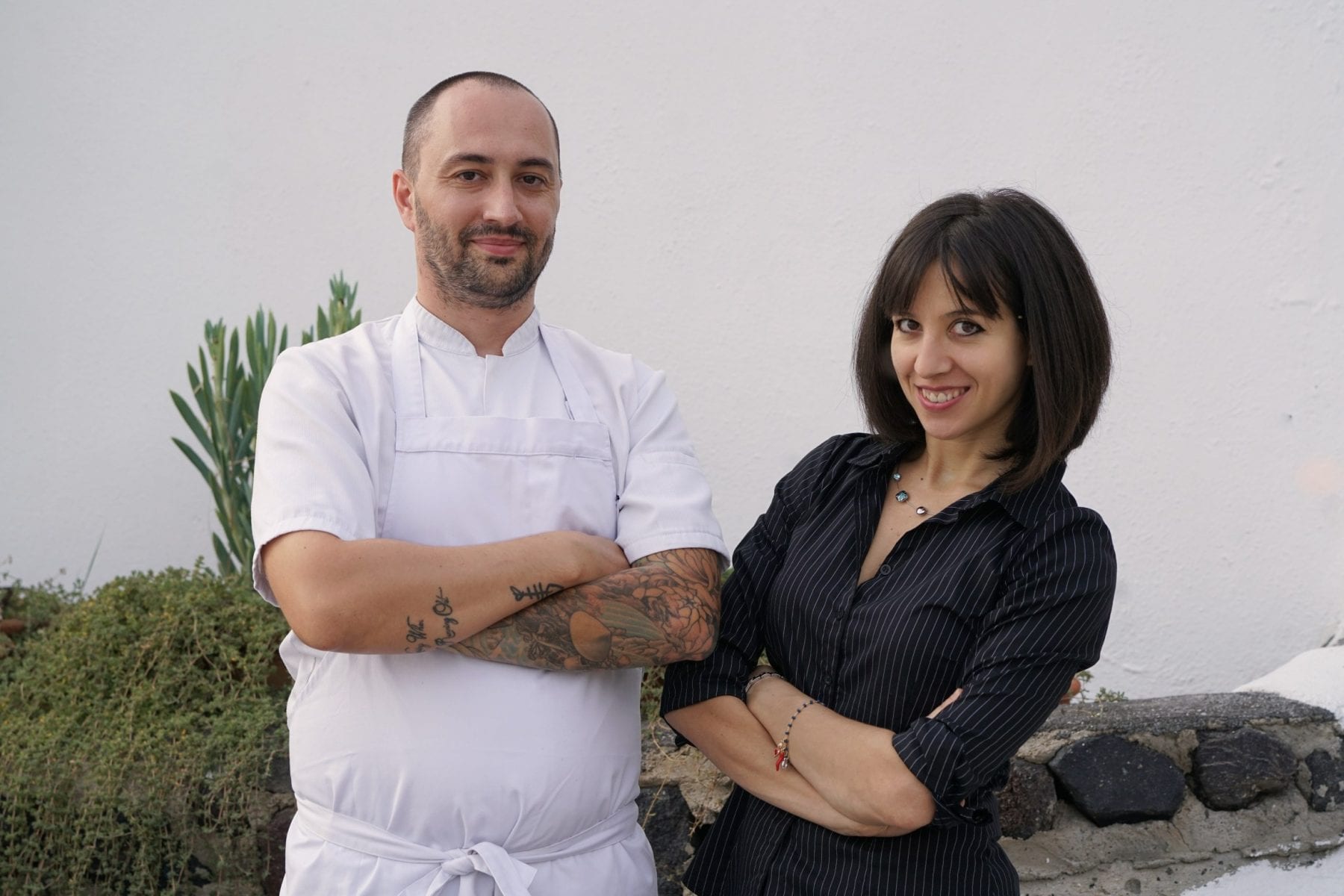
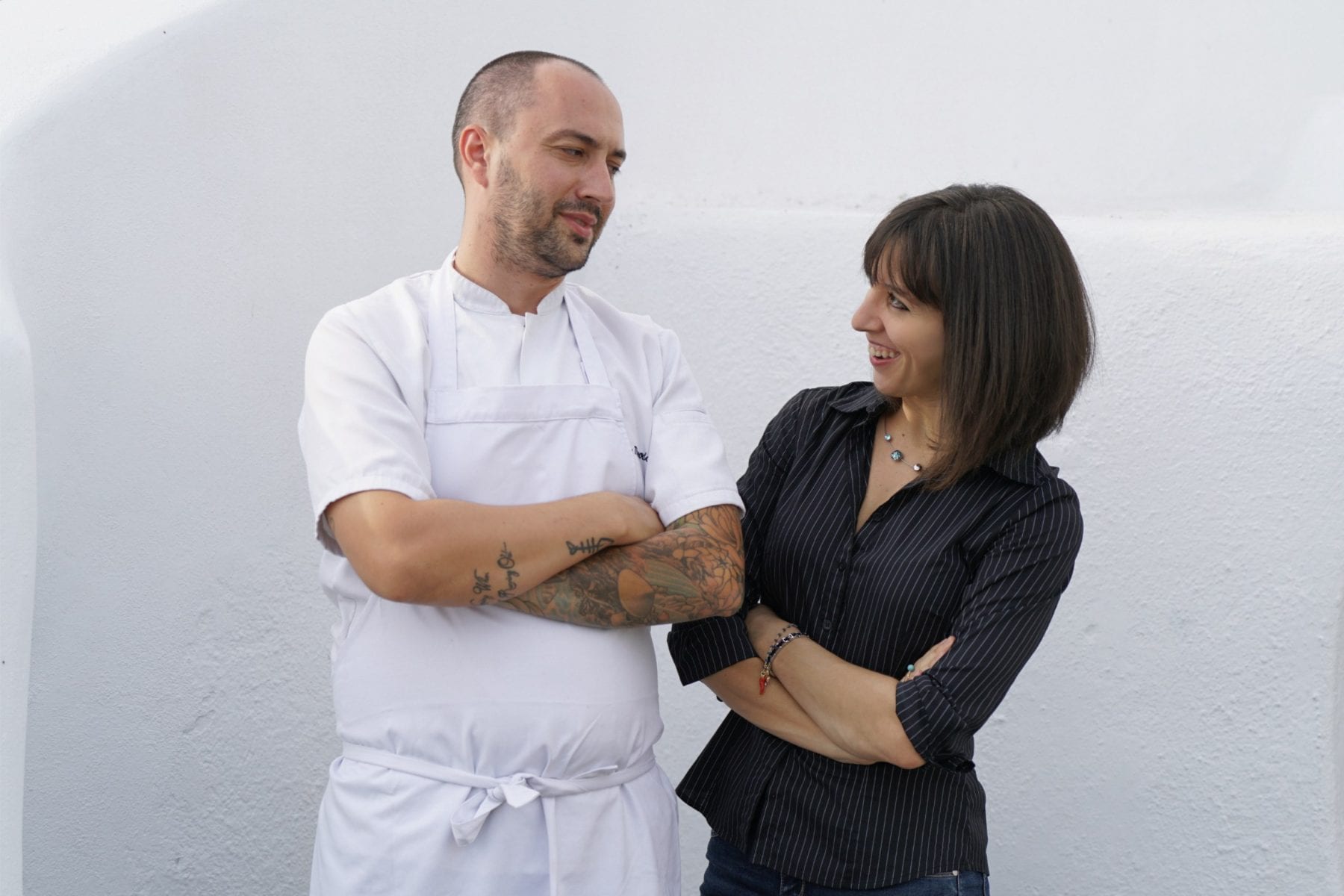
When I told Theodoros Kokulis, the Executive Chef of Perivolas Hotel in Santorini, that our goal together was to recreate traditional Greek recipes in a gluten and dairy free way, he shook his head perplexed. “Mhhh… I think you picked the wrong country to write this article… Unless we make some Dolmades! You know? The famous stuffed grape leaves…”
“Yes”, I replied desolate. “I know”.
“Here in Greece – Chef Theo continues – we are not very open minded yet about replacing certain ingredients with their free from equivalents. It’s very difficult to find things like vegan cheese, or dairy free yogurt. And if you tell a Greek grandmother that you are trying to make gluten and dairy free Baklava, she’ll think you’ve lost your mind!”
The scenario portrayed by Chef Eugenios, with whom I prepared the Greek Fava dip I shared last week, is confirmed. Here in Greece you won’t find allergy free versions of original Greek recipes, so you better focus on trying dishes that are originally prepared without gluten nor dairy.

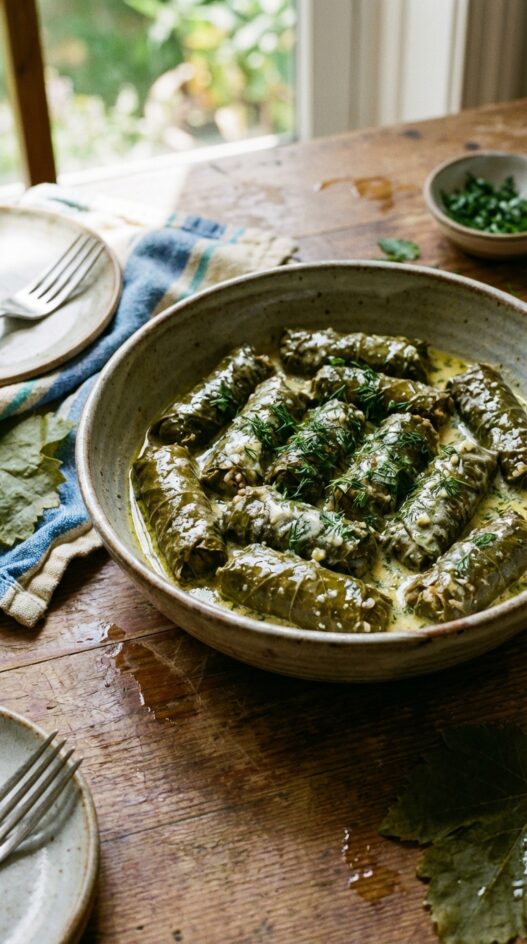
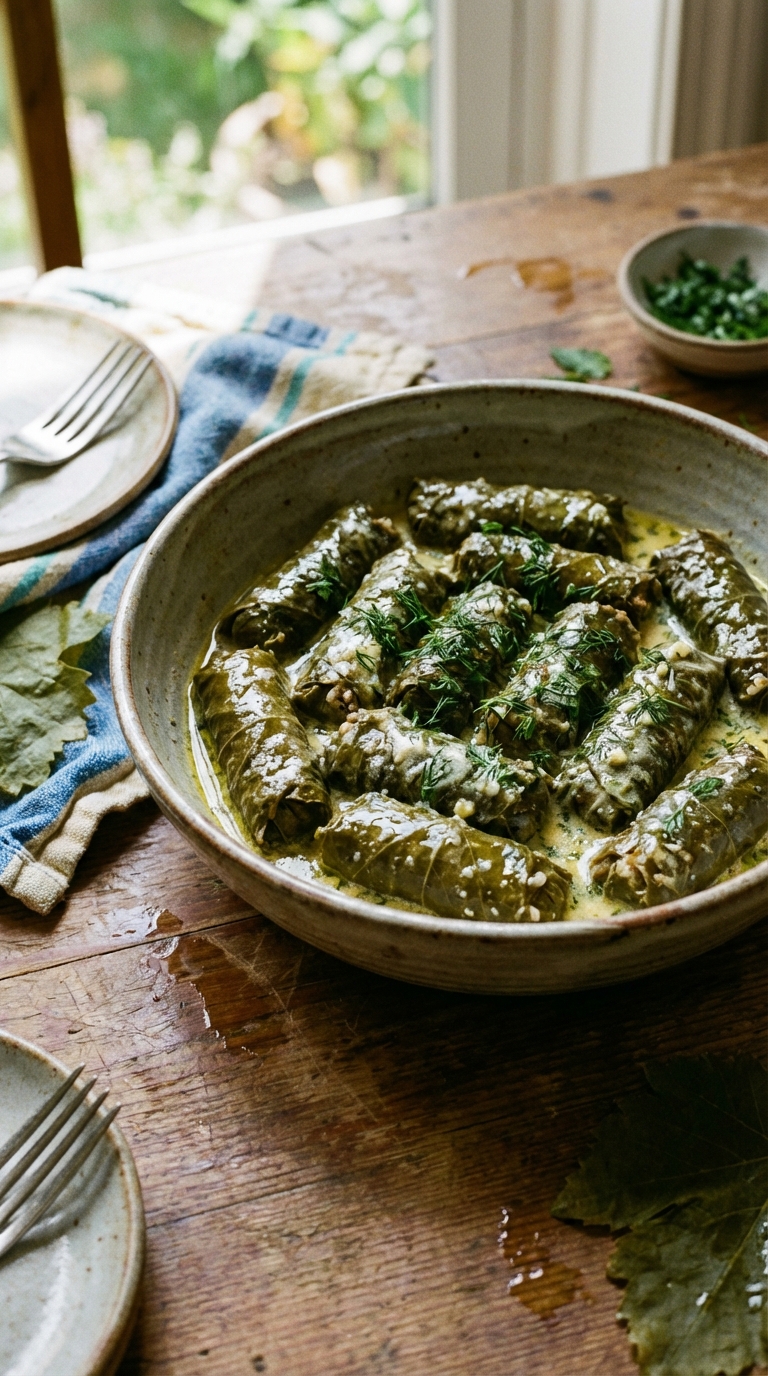
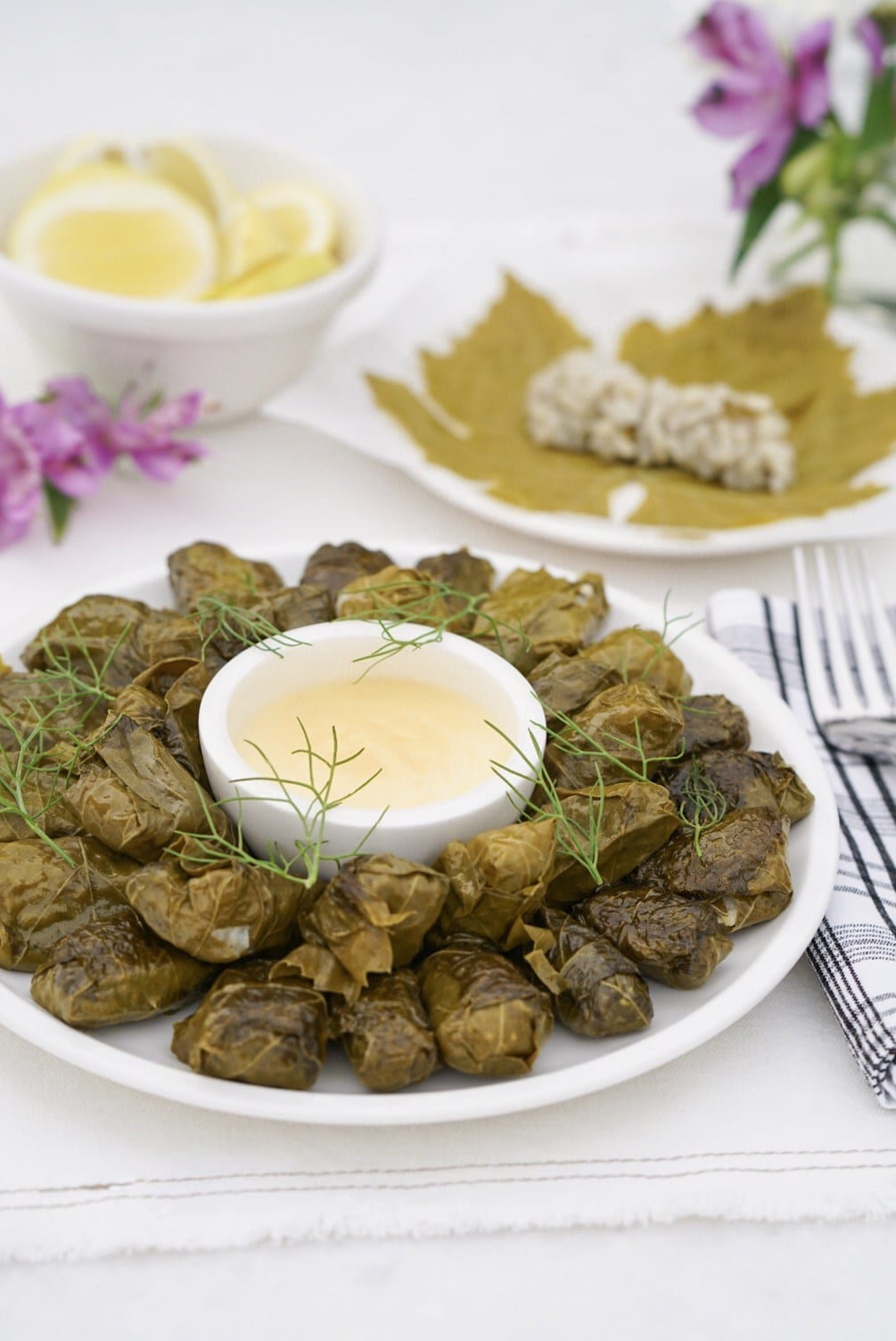
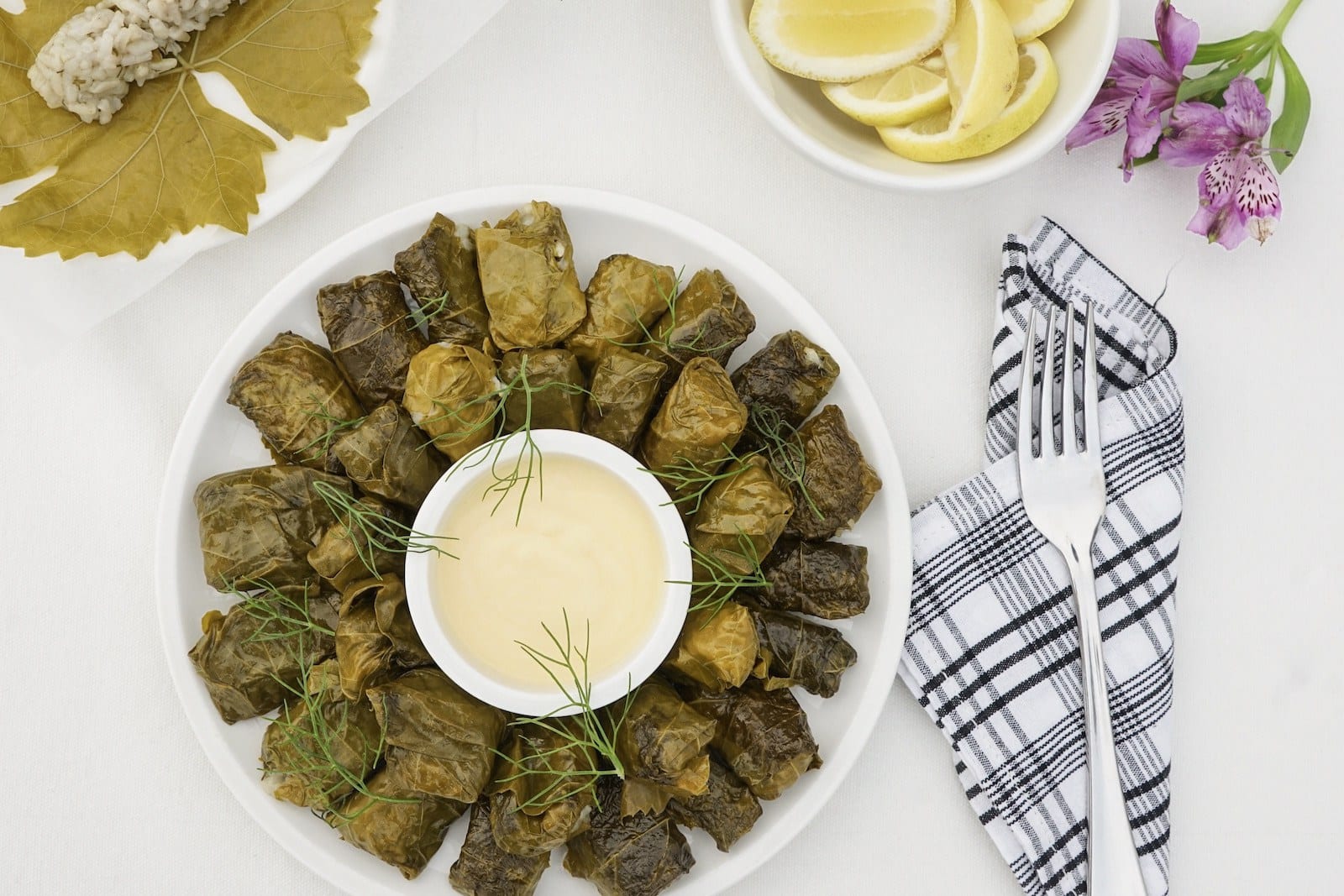
After replicating ‘Fava’, a delicious spread that’s better than hummus, other safe gluten free option on a classic Greek menu are all the variations of vegetables, leaves, chicken and mussels that are stuffed with rice, “a cheap ingredient to fill your stomach with”, as Chef Theo likes to define it. As a matter of fact, the recipe we prepare together is ‘Dolmades’, rice stuffed grape leaves flavored with mint and dill, a dish that has been eaten by people of all classes for hundreds of years across the eastern Mediterranean countries.
And since Chef Theo loves to experiment, he even came up with a paleo version of the traditional recipe, that features a rice-less stuffing made with mussels and vegetables wrapped in a more capacious cabbage leaf.
Because, while it is true that Greece is still pretty conservative when it comes to their staples, in the last decade, a new generation of creative, young chefs worked to push the boundaries of Greek food and open it up to the influences of North and Western European cuisine, giving birth to Modern Greek Gastronomy. Take Chef Theodoros, for example, who worked at ‘Maemo’ in Oslo, awarded with three Michelin stars. He loves to use new techniques imported from Scandinavia and Spain to give a twist to traditional recipes and reinterpret local ingredients, that in Santorini are particularly exceptional.
Chef Theo gives me a rundown. “The island is famous for its little white eggplants, that are seedless and can be eaten raw; Santorini tomatoes, very sweet and acidic, with lots of seeds and very little flesh, but great for making tomato paste; and capers, which grow wild on the rocks and are used in many local dishes”.
As we speak and stroll around the stunning property of Perivolas, the Chef points at a dark green vine peeking out from the crevices of the wall’s volcanic rocks. “See these leaves with purple flowers? They were caper buds just a couple months ago. In the summer we pick them, let them dry in the sun, then salt them and pickle them”, he explains.
I follow him inside the kitchen, where he proudly shows me his collection of jars: caper buds and leaves to add flavor to his dishes; containers packed with edible flowers, like lilac garlic florets, yellow anise blossoms and borage leaves. And then, vases full of the infamous grape leaves, that are harvested during the summer, pickled and stored for months to come to roll up ‘Dolamdes’.
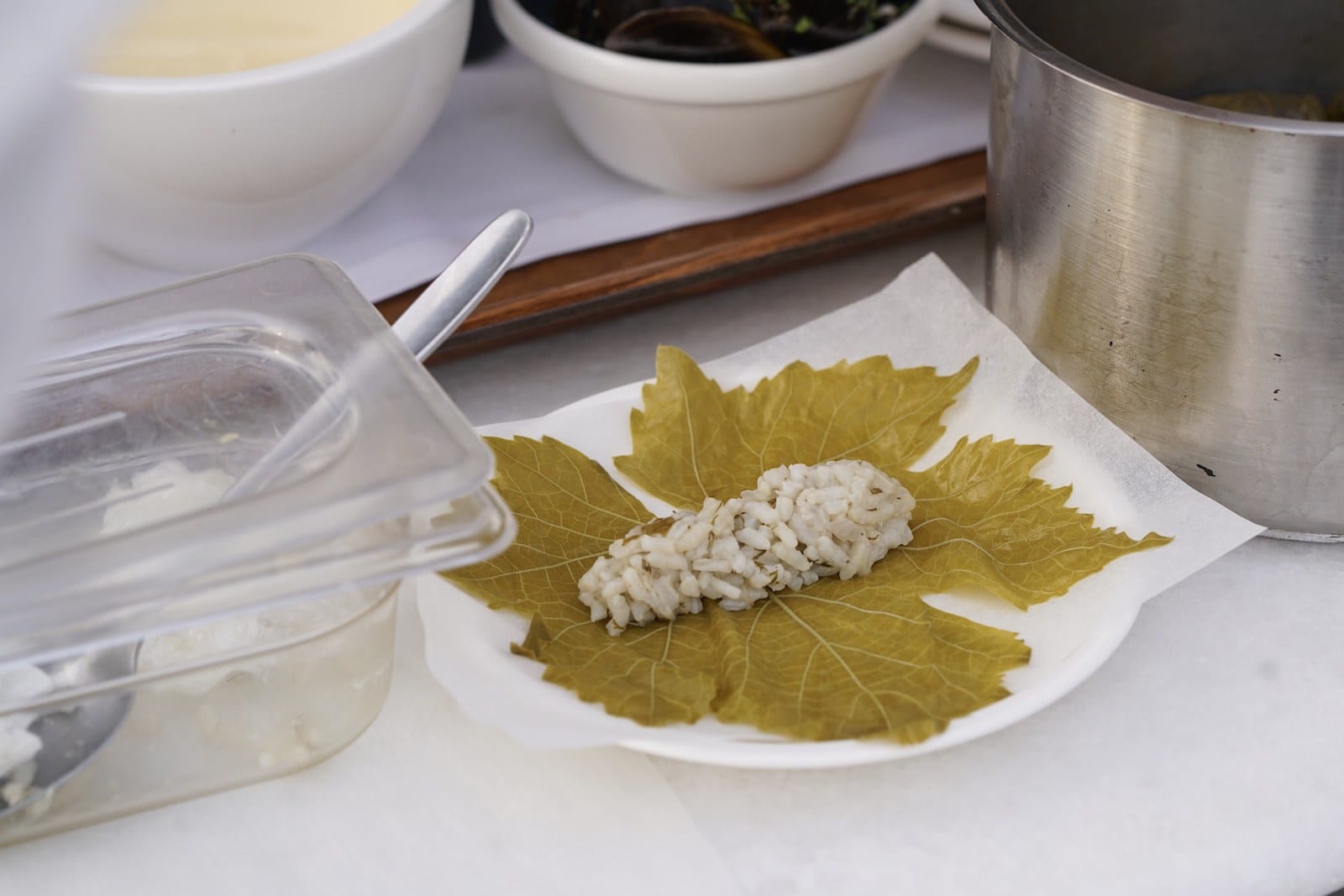
Theo takes one out of the jar, places a little rice filling in the middle, still lukewarm, and gently rolls it up into a cylindrical dumpling. “See how easy they are to make?”. The subtle taste of the vine leaf blends harmoniously with the intense aroma of mint and dill. I love it.

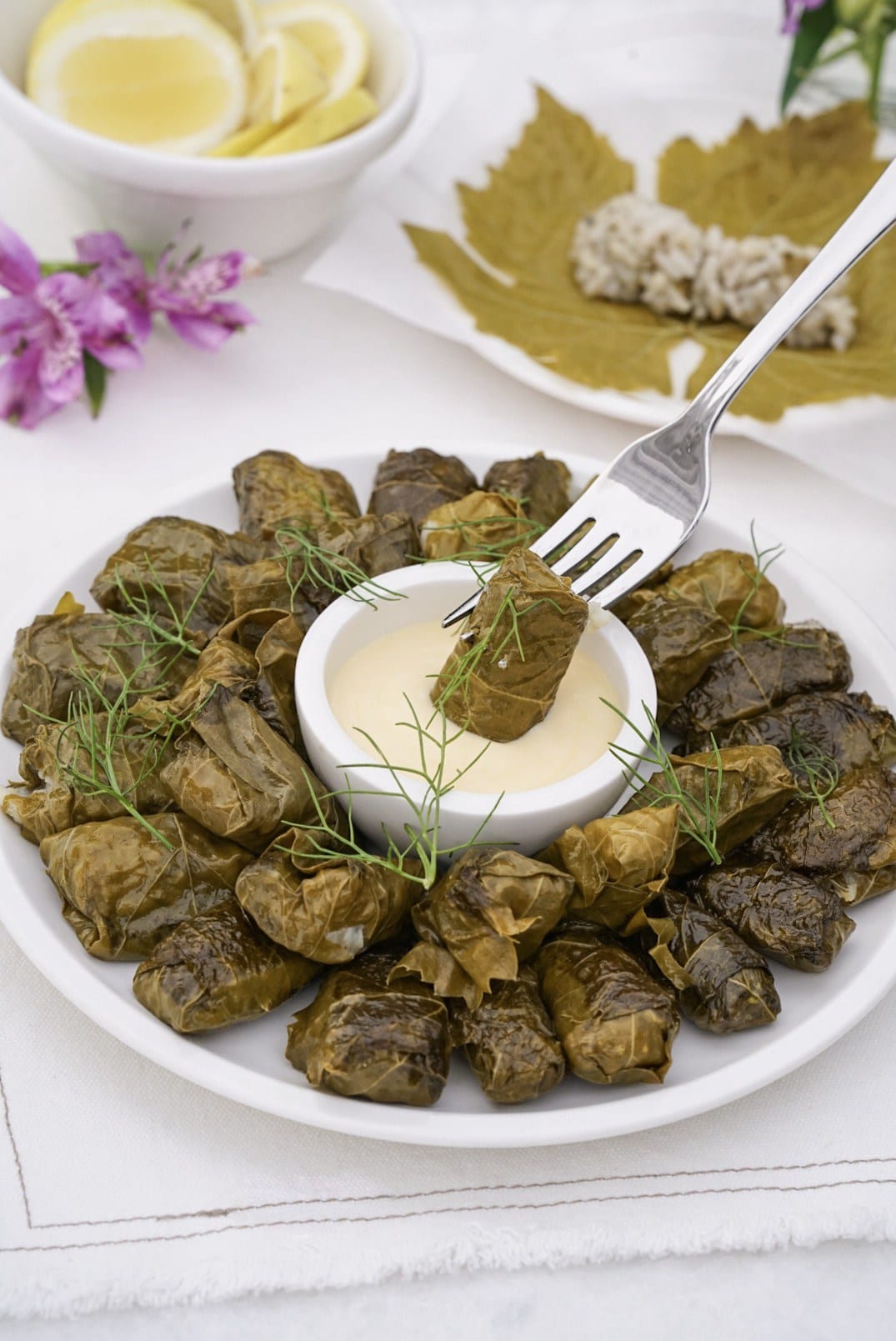
“Try to dip it in my ‘Avgolemono’ sauce”, he proposes handing me a tiny bowl of light yellow cream. “It’s the most perfect dip for this dish”. He’s absolutely right. ‘Avgolemono’, which literally means egg and lemon, accentuates the taste of the stuffed grape leaves with its defined citrusy tang and makes them taste like nothing I have ever tried. Absolutely delicious!
But discovering that I am actually a big Dolmades fan wasn’t the only surprise I got at Perivolas. Breakfasts, in fact, were pretty mind-blowing, and definitely not what I expected after hearing so many times that in Greece they don’t do gluten free.
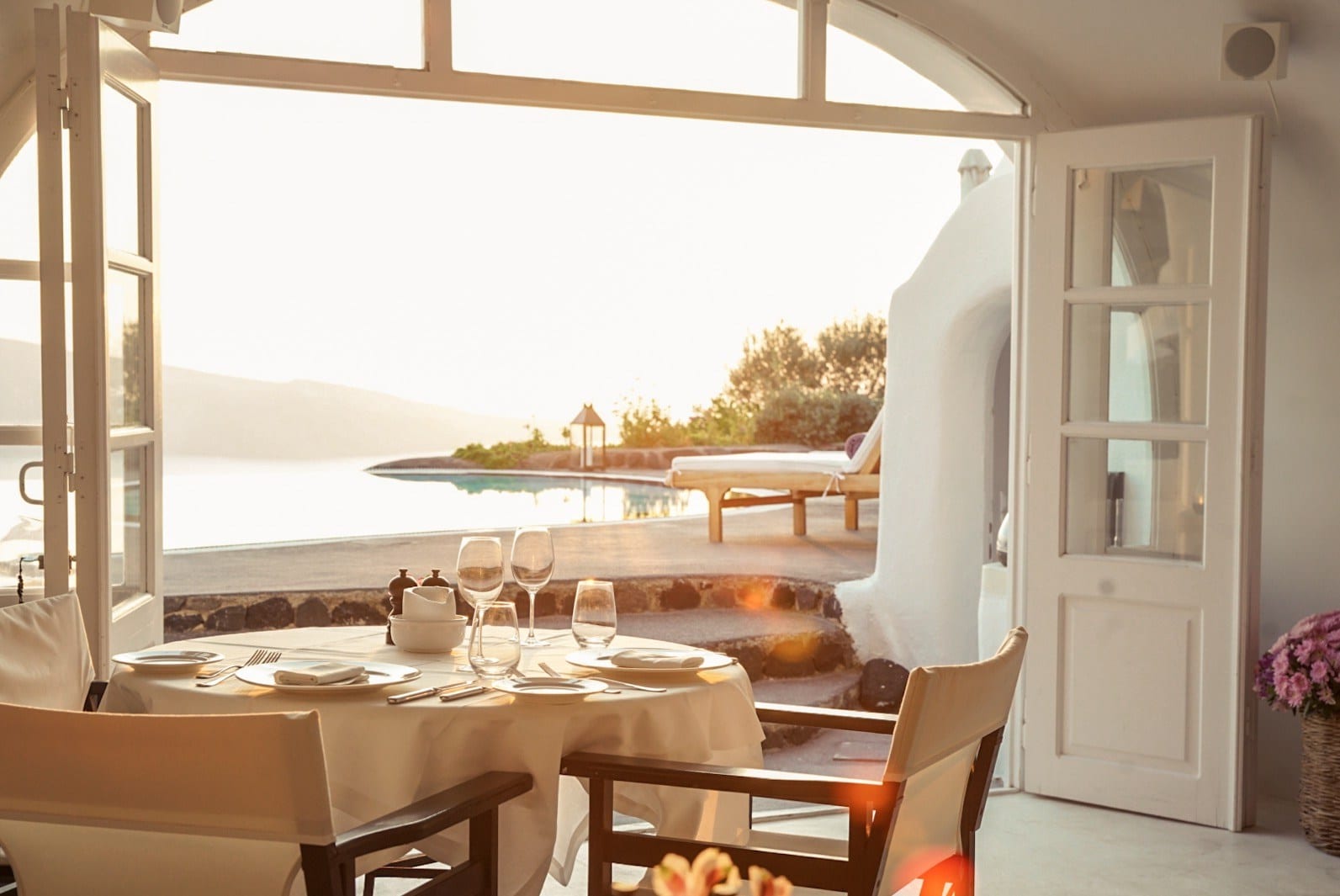
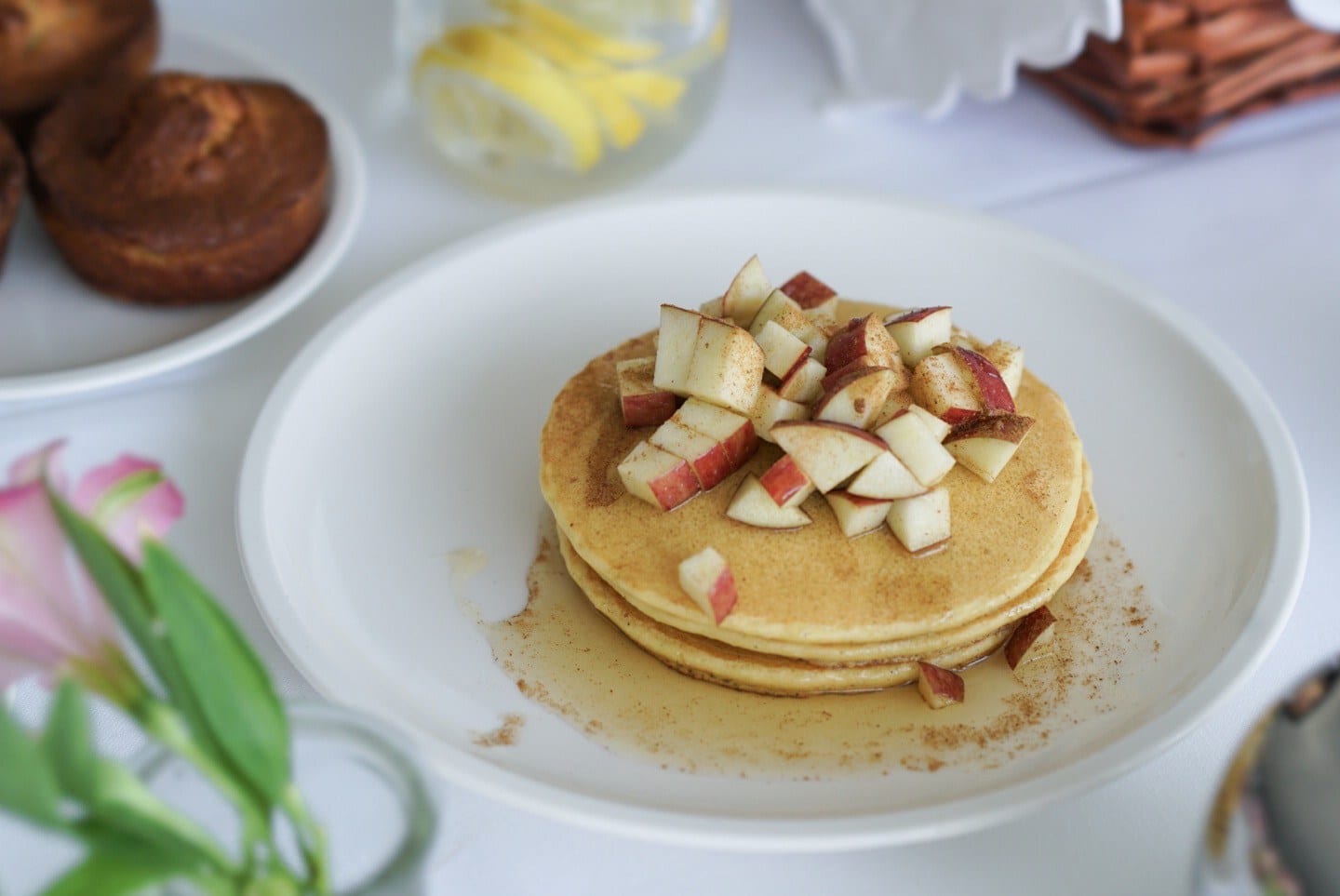
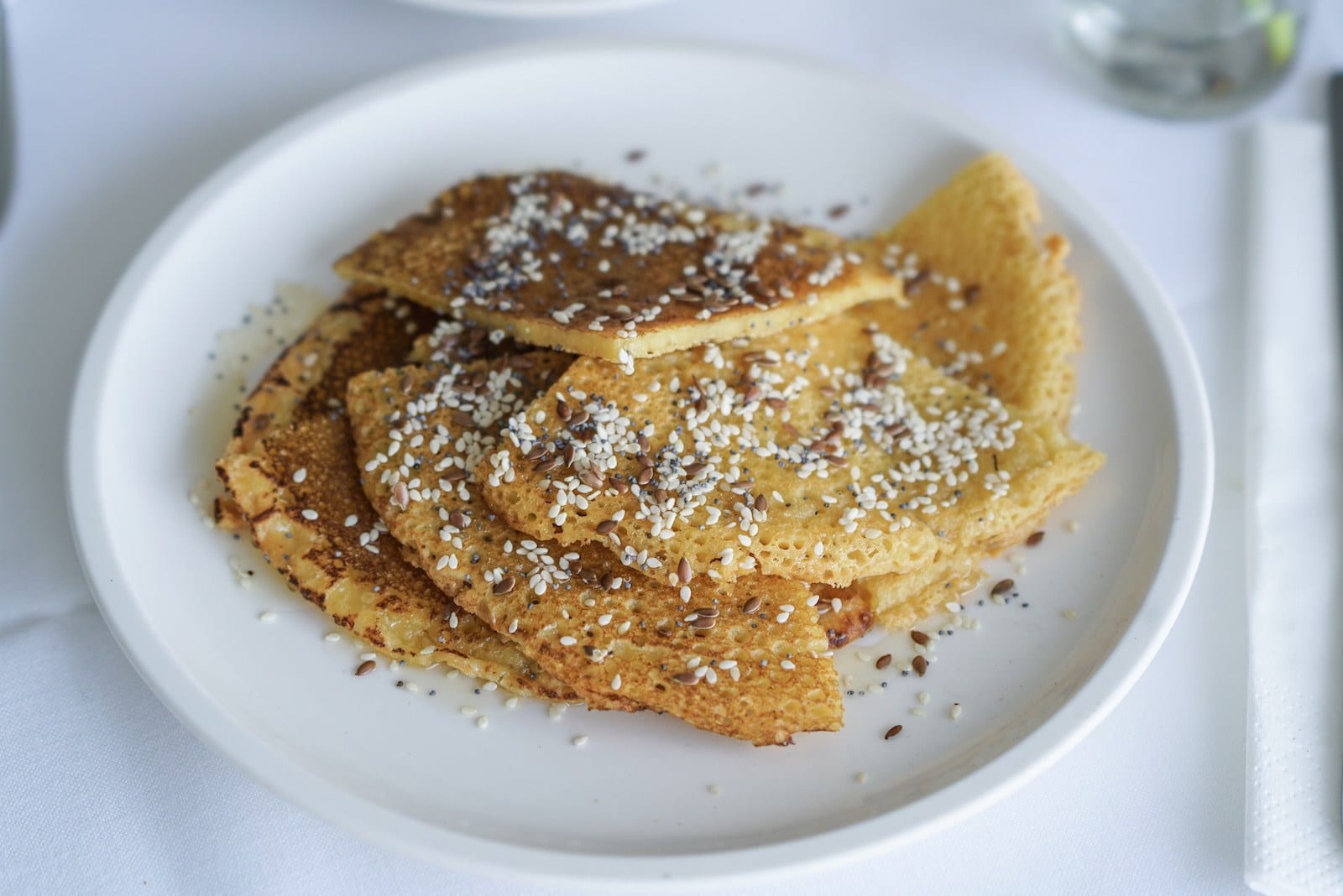
In front of a stellar view over the caldera of Oia, I was served some of the most epic gluten free breakfast spreads of my life (a close tie with the ones at Anantara Layan and Mai Khao in Thailand). Forget your typical omelet, at Perivolas – if you inform them that you are on a special diet – you are greeted with the moistest free-from banana muffins and beautiful pancake stacks topped with diced cinnamon apples; with a basket overflowing with fluffy, savory oregano buns and slices of paleo bread; and with interesting chickpea pancakes, similar to the Italian Farinata but topped with honey, white sesame and flax seeds.
Stuffed Grape Leaves (Dolmades) from the Chef at Perivolas, Santorini (Dairy & Gluten Free)
- Total Time: 90 minutes
- Yield: Serves 6
- Diet: Gluten-Free
Description
Flavorful rice and herb filling nestled in tender vine leaves, finished with a creamy avgolemono sauce. A taste of Santorini.
Ingredients
- 60 Vine Leaves (blanched and ready to cook)
- 1 cups (237 ml) Extra Virgin Olive Oil
- 1/2 bunch fresh Dill (finely chopped)
- 1 bunch fresh Mint (finely chopped)
- 2 Scallions (finely chopped)
- 1 big Onion (finely chopped)
- 1 lbs (400 gr) Carolina or Long Grain Rice
- 1 lbs (400 gr) Water (+ more water to cook them once they are rolled)
- Salt
- Black Pepper
- 1-2 Lemons Juice from
- 5 oz (120 gr) Egg Yolks (approximately 8 yolks)
- 2 oz (60 gr) fresh Lemon Juice
- 1 oz (20 gr) Organic Corn Starch
- 1 lbs (500 gr) Vegetable Broth
- 1 tsp (4 gr) Salt
- 8 oz (200 gr) Coconut Cream (obtained from refrigerating Coconut Milk overnight)
Instructions
- In a pot, over medium to high heat, add half of the olive oil, with the scallion and onion and cook until soft, for about 10 minutes.
- Add in the rice and cook for 3 to 4 minutes.
- Add the water, stir well, lower the heat and cook for about 5 minutes.
- Take the pan off the heat and let it rest for 10 minutes before stirring in the dill, mint, lemon juice, salt and pepper.
- Cover a shallow, wide pot with a layer of vine leaves and add in the lemon juice.
- To roll the dolmades, lay vine leaves on a cutting board, add one tablespoon of rice filling (quantity varies depending on vine leaf size) in the middle, then close the frame and roll tightly. Each roll should be approximately 5 cm long.
- Place the dolmades in the pot forming a spiral, layering until finished.
- Add the remaining olive oil and place a round plate on top of the dolmades. Add warm water or vegetable broth until fully covered. Cook for 40-50 minutes, depending on size. Once cooked, let rest in the pot until completely cooled to maintain shape.
- Prepare the Avgolemono Sauce: Combine egg yolks and corn flour in a bowl and beat lightly.
- Heat the broth and add it to the yolk mixture, stirring slowly.
- Put the mixture into a pot and cook until thickened (about 2 minutes).
- Add salt, lemon juice, and vegetable cream and cook for 1-2 more minutes.
Notes
- For a richer flavor, use a high-quality extra virgin olive oil.
- If vine leaves are difficult to find, substitute with cabbage leaves, blanching them before use.
- Store leftover dolmades in the refrigerator for up to 3 days; the avgolemono sauce may separate slightly but remains safe to consume.
- Prep Time: 30 minutes
- Cook Time: 60 minutes
- Category: Appetizer
- Method: Braising
- Cuisine: Greek
Nutrition
- Serving Size: 8-10 dolmades
- Calories: 250
- Sugar: 5
- Sodium: 300
- Fat: 15
- Saturated Fat: 5
- Unsaturated Fat: 10
- Carbohydrates: 30
- Fiber: 4
- Protein: 5
- Cholesterol: 100
And then again, I got to try gluten free berry cakes, fluffy dairy free parfaits with a cake crumb crust…Yes, definitely way more than what I usually eat for breakfast, but when you are sitting poolside, overlooking the Mediterranean to the sound of classical music… you can sit and nibble on delicious food for hours!
…Just make sure to save some room for lunch so you can try some authentic stuffed grape leaves!!
I am sure you’ll love this authentic recipe for Greek stuffed grape leaves! Make sure to share it with your friends and family on Facebook and to save it on your favorite Pinterest board, and subscribe to my weekly newsletter so that you never miss a post!!
Lots of love!
Ambra
Frequently Asked Questions
What type of grape leaves should I use for the dolmades?
For the best results, use young, tender grape leaves that are either store-bought in jars or fresh from a vine.
Is it necessary to soak the rice before using it in the filling?
Yes, soaking the rice for about 30 minutes helps it cook evenly and absorb the flavors from the other ingredients.
Can I substitute the traditional herbs in the filling?
While traditional dolmades often include dill and mint, you can experiment with other herbs like parsley or cilantro for a different flavor profile.