
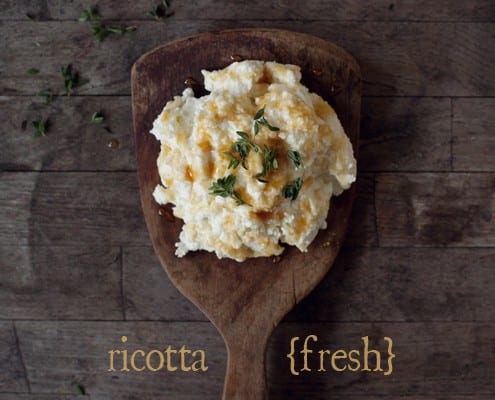
– Photos by Gina Weathersby/Kiwi Street Studios
Although often referred to as a cheese, Ricotta (derived from the Latin word “recocta” meaning “cooked twice”) is an Italian dairy product typically made up from milk whey left over from the production of provolone or mozzarella cheese. As there is no coagulation of casein in the process of ricotta, it is not considered a proper cheese itself. Historians speculate that Ricotta was first produced in Rome or Sicily in the second century B.C.E., based on its appearance in documents by the Greek author Athenaeus, who wrote a great deal about food in the second and third centuries B.C.E. In Italy, Ricotta is made from the milk of sheep, goats, or buffalo, while in the United States it is most often made of cow’s milk.
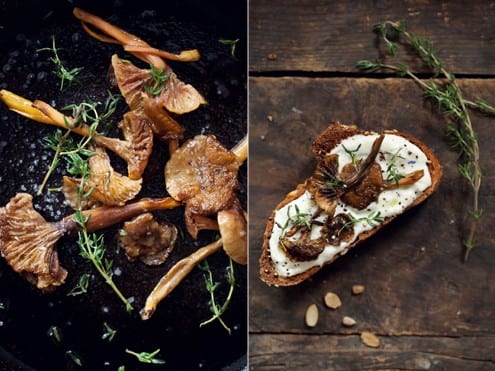
Ricotta has a smooth, creamy consistency, and can be used in either savory or sweet dishes. In its fresh, soft form, it’s popular as a stuffing for pastas such as ravioli, manicotti, and lasagna, and a superb focaccia topper in place of the more traditional mozzarella. When beaten smooth and mixed with sugar and additions such as chocolate or nuts, it is a decadently rich filling piped into cannoli shells for dessert. It can also be combined with eggs, cooked wheat, and citrus, and then baked into the hearty Neapolitan Easter pie known as Pastiera. Ricotta’s versatility means it’s a perfect base for bruschetta. Its subtle nature makes it the perfect foil for the more pungent flavors of roasted garlic, herbs, vegetables, and even honey for a delightful twist on dessert.
Techniques to combat Ricotta’s particularly short shelf life are worthwhile and particularly delectable. Ricotta Salata is produced when the Ricotta is pressed, salted, dried, and aged. It becomes firm in texture and crumbly, perfect for grating over salads, and pizza. Place a large lump of soft, fresh Ricotta in the oven until it develops a slightly charred crust, and you have Ricotta al Forno. Ricotta Affumicata is similar to Ricotta al Forno, except that it is smoked with wood, juniper, and herbs. Either of these is a rich, mellow addition to pasta.
Homemade Ricotta
- Total Time: 20 minutes
- Yield: 1 cup
Description
This homemade ricotta is smooth and creamy, perfect for both sweet and savory dishes. It’s easy to make and far surpasses the store-bought variety.
Ingredients
- 6 cups (1440 ml) full cream milk (not ultra-pasteurized)
- 2 tbsp (30 ml) white vinegar
- 1 tsp fresh lemon juice
Instructions
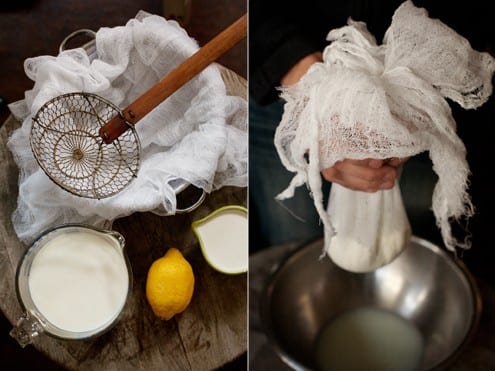
- Place the milk in a saucepan and attach a candy thermometer to the side. Heat over medium heat until the milk reaches 176 degrees Fahrenheit.
- Remove the saucepan from the heat and stir in the white vinegar and fresh lemon juice.
- Allow the mixture to sit undisturbed for 5 minutes. You will see the milk begin to curdle.
- Line a colander with a piece of fine cheesecloth and place it over a large bowl.
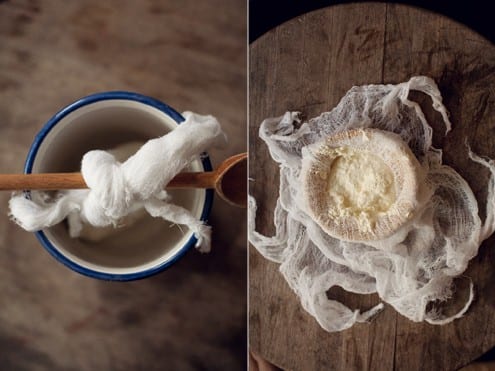
- Carefully pour the curdled milk into the cheesecloth-lined colander, allowing the whey to drain into the bowl below.
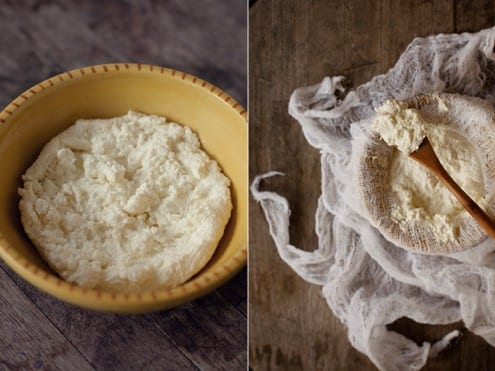
- Let the ricotta drain for about 1 hour, or until it reaches your desired consistency.
- Transfer the ricotta to a container and refrigerate. Use within one week.
Notes
- Fresh ricotta will keep in your fridge for about a week.
- Swirl honey into some and use as a decadent topping for your breakfast toast, or use it as a delicious base for focaccia.
- For a firmer texture, let the ricotta drain longer.
- You can also use it as a stuffing for pasta or in desserts like cannoli.
- Prep Time: 10 minutes
- Cook Time: 10 minutes
- Category: Condiment
- Cuisine: Italian
Nutrition
- Serving Size: 1/4 cup
- Calories: 100
- Sugar: 8
- Sodium: 50
- Fat: 6
- Carbohydrates: 8
- Fiber: 0
- Protein: 6
- Cholesterol: 20
If You Liked This Recipe, You’ll Love These
- Homemade Tortilla Chips
- Ricotta Stuffed Zucchini Blossoms
- Spring Appetizer: Whipped Beet Ricotta Dip with Lemon Zest and a Glass of Rosé
- Gnocchi al Pomodoro e Acciughe: Homemade Ricotta Gnocchi with Tomato Anchovy Sauce
Frequently Asked Questions
Why can’t I use ultra-pasteurized milk for this ricotta?
I specifically call for full cream milk that is NOT ultra-pasteurized. The high-heat ultra-pasteurization process alters the milk proteins in a way that prevents them from curdling properly when you add the 2 tbsp of white vinegar and 1 tsp of lemon juice, so you won’t get clean, separate curds.
How do I control whether my ricotta turns out soft or firm?
Drain time controls texture: drain through cheesecloth for about 1 hour for a soft, creamy ricotta, and let it drain longer if you want a firmer result. The finished ricotta keeps in the fridge for up to one week.
The article mentions Ricotta Salata, al Forno, and Affumicata — what are those?
These are aged or treated forms of ricotta. Ricotta Salata is pressed, salted, dried, and aged until firm enough to grate over salads or pizza. Ricotta al Forno is baked until a charred crust develops. Ricotta Affumicata is similar but smoked with wood, juniper, and herbs. All three start with fresh ricotta like this one.
What are some ways to use fresh ricotta beyond pasta filling?
I love swirling honey into it for a breakfast toast topping, using it as a base for focaccia, piping it sweetened with sugar and chocolate into cannoli shells, or combining it with eggs and citrus for the Neapolitan Easter pie Pastiera. It also makes a wonderful bruschetta base.
Cheese making heaven!