Photo by G. Giustolisi
Pizza is one of the most representative Italian dishes. Like many other culinary creations of traditional Italian cuisine, it also sinks its history between myth and reality.
The scenario of this story is the South Italy and the beautiful city of Naples, magical place in which were born many iconic Italian dishes.
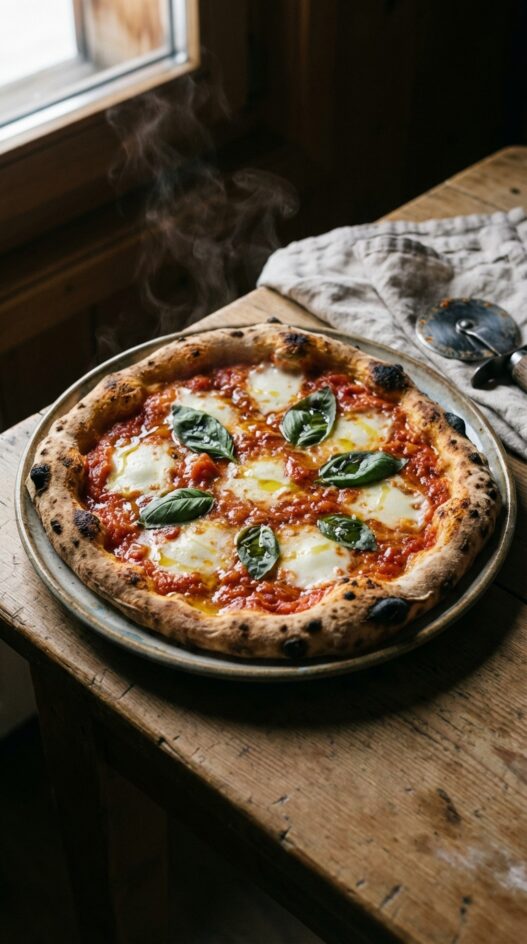
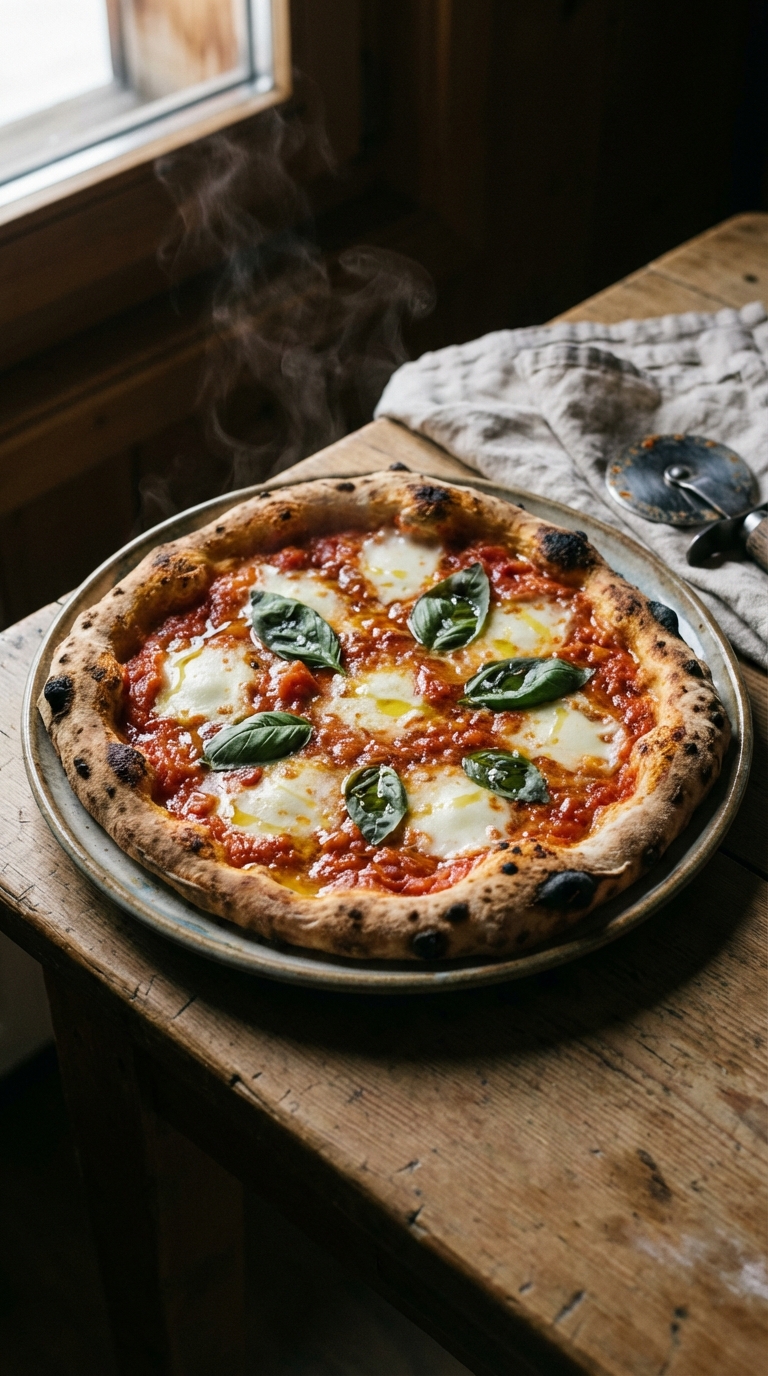
It was the summer of 1889, when King Umberto I and Queen Margherita of Savoy resided in the palace of Capodimonte, near Naples. The Queen had already heard of the famous Neapolitan pizza and, wanting to taste it, she called the most famous pizza maker at the time, Don Raffaele. The man, together with his wife, prepared three different types of pizza that, in the colors, attracted the Italian flag: one with cheese and basil; one with garlic, oil and tomato and another with tomato, mozzarella and basil. Queen Margherita liked so much the latter that Don Raffaele gave her name to the pizza, although this type of pizza already existed and was known and appreciated throughout the city.
A simple dish and, just for this, difficult to perform. What makes inimitable the Neapolitan pizza is the perfect blend of high quality flour and the organoleptic characteristics of the water in the area (in addition to the manual of the Neapolitan pizza makers, their natural talent). In Italy, you can eat a great pizza from North to South but the world capital of pizza is and remains Naples.
At home, is not always easy to make a good pizza (often, it depends also on the homemade oven, that, of course, can’t replace the stone oven). In any case, even the homemade pizza, is one of those pleasures to be granted, using simple but first choice ingredients (pizza, like pasta, not make you fat, as is commonly believed abroad, if seasoned with few and genuine ingredients).
Water, unrefined ancient Farro flour, extra virgin olive oil, tomatoes and mozzarella cheese are the main ingredients of my basic recipe.
Love and passion are the added values that will make special your Italian homemade pizza.
Pizza Margherita
- Total Time: 180 minutes
- Yield: 2-3 pizzas
Description
Pizza Margherita was reportedly created in 1889 by Neapolitan pizzaiolo Raffaele Esposito to honor Queen Margherita of Italy, with the three toppings representing the colors of the Italian flag — red tomato, white mozzarella, and green basil. Whether the story is true or embellished, the pizza itself is beyond dispute: it is one of the most iconic foods on earth. The dough requires time to develop flavor, so plan ahead.
Ingredients
For the Dough
- 600 g (21 oz) Farro (or Kamut) flour
- sea salt, to taste
- 12 g (1/4 oz) instant dry yeast
- 500 ml (17 fl oz) water
For the Topping
- 1 clove garlic
- 4 tbsp extra-virgin olive oil
- 500 ml (17 fl oz) tomato pulp
- a sprig of fresh basil
- buffalo mozzarella, to taste
Instructions
- Mix the flour, salt, and instant dry yeast together, adding the water little by little, until you get a soft dough.
- Let the dough rise for 20 minutes (recommended time if using instant yeast).
- Brown the garlic in the extra-virgin olive oil, then remove it. Add the tomato pulp and cook until the sauce is thickened, about 15 minutes. Once cooked, stir in the remaining olive oil to taste and the basil.
- Roll out the dough on an oiled baking pan. Spread the tomato sauce over the dough, then slice the mozzarella and scatter it over the top.
- Season with plenty of extra-virgin olive oil and basil.
- Bake at 180°C (350°F/gas mark 4) for 30 minutes.
Notes
- Cold-fermenting the dough for 24-72 hours is what develops the complex, slightly tangy flavor and the airy, blistered texture of a great Neapolitan crust.
- Less is more with the toppings — a thin smear of tomato and a few torn pieces of mozzarella is all you need. Overloading the pizza makes it soggy.
- A screaming-hot oven is essential. Preheat your pizza stone for at least 45 minutes at the highest temperature your oven can reach.
- Traditional Neapolitan pizza dough per AVPN rules contains only flour, water, salt, and yeast — no oil or sugar.
- Category: Classic
- Cuisine: Italian
Frequently Asked Questions
What type of flour is best for making the pizza dough?
For an authentic Pizza Margherita, use high-quality ’00’ flour which has a fine texture and high protein content, ideal for achieving a soft yet crispy crust.
How do I achieve the perfect balance of flavors with the mozzarella and basil?
Use fresh mozzarella cheese and tear it into pieces rather than shredding; this helps maintain its moisture and allows the flavors of the mozzarella and fresh basil to meld beautifully.
What is the best way to bake the pizza for optimal results?
Bake the pizza at a high temperature (around 475°F or higher) on a preheated pizza stone or steel to ensure a crispy bottom and well-cooked toppings.