Vietnam runs the length of a coastline, a long ribbon of a country pressed between the mountains and the South East Asia Sea, and it has always been seen best from a train window. The old line from that crosses the country North to South carries you past rice terraces stacked like green staircases, past salt flats and fishing harbours, past the cauldrons of street kitchens exhaling steam into the heat, past the pink flare of dragon fruit ripening in the sun. Somewhere along that route, decades ago, a boy from Phan Thiet travelled home from the sea with a pot of instant noodles steaming in his hands, the cheapest supper in the world, and the taste of it lodged in his memory like a splinter of light.
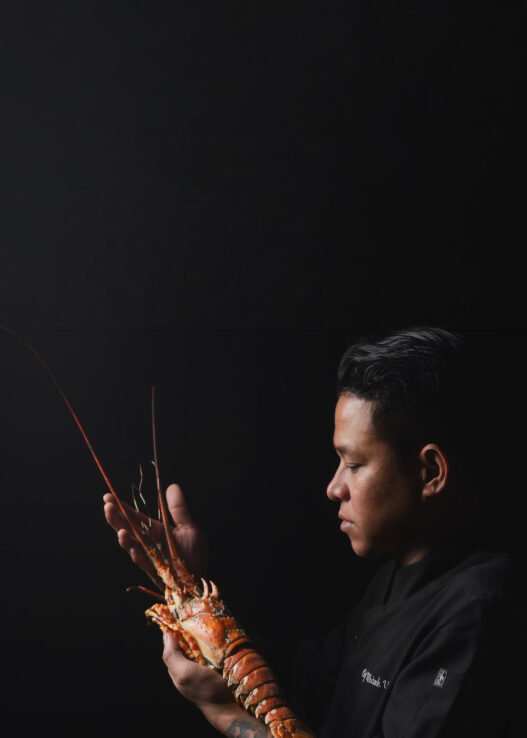
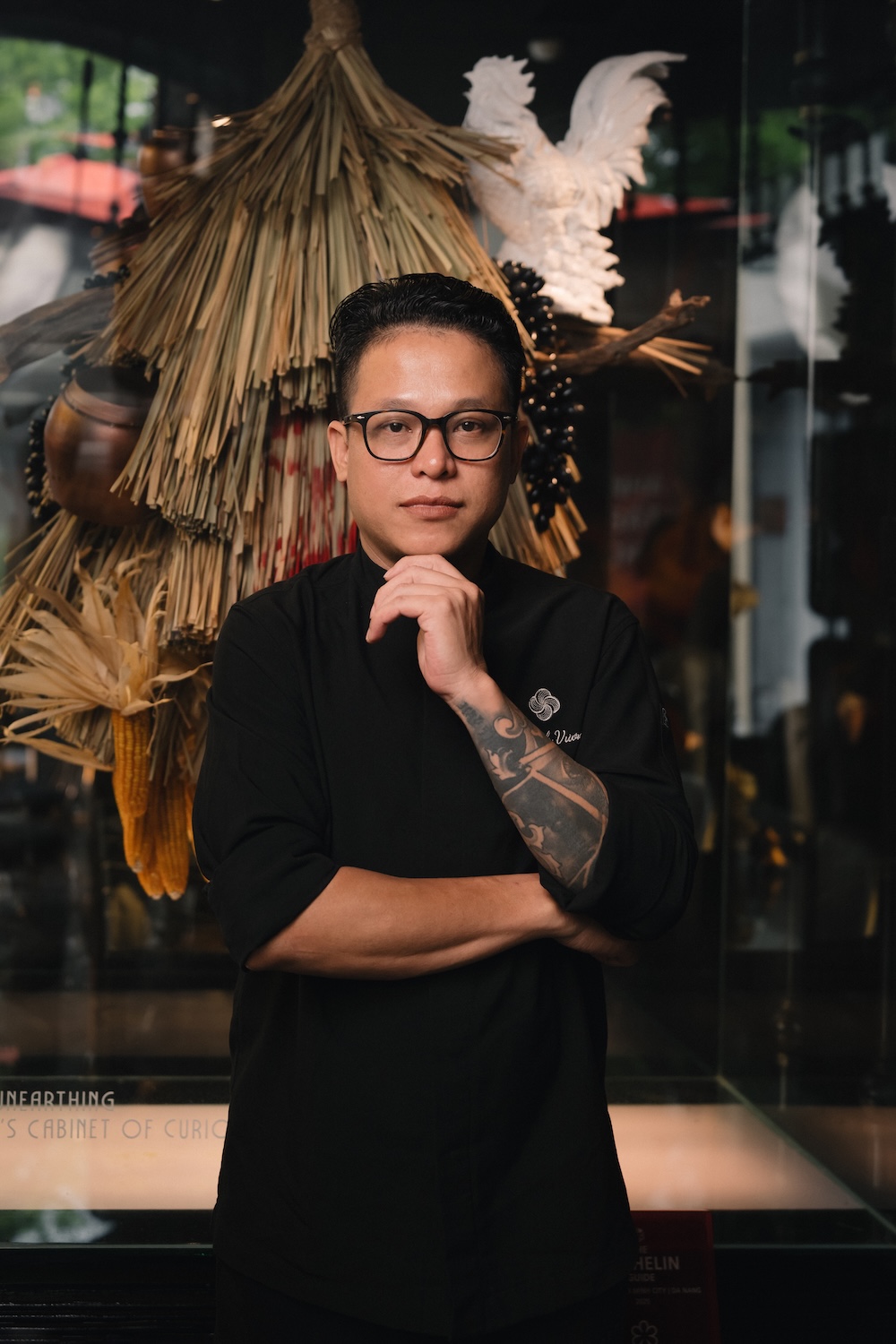
That boy is now chef Vo Thanh Vuong and at CoCo Dining, in the heart of Ho Chi Minh City, he has spent years learning to serve that memory back to the world on porcelain. The restaurant holds one Michelin star, won in 2025 and retained in 2026, and it has become one of the most compelling arguments anywhere that contemporary Vietnamese cuisine can reach the summit of fine dining on its own terms, in its own colors, owing nothing to France or to anyone else. But to sit at CoCo is to understand that the star is almost beside the point. What Vuong offers is a journey: a first-class passage through an entire country, and a passage inward through his own improbable life, undertaken without the guest ever rising from the table.
All Aboard
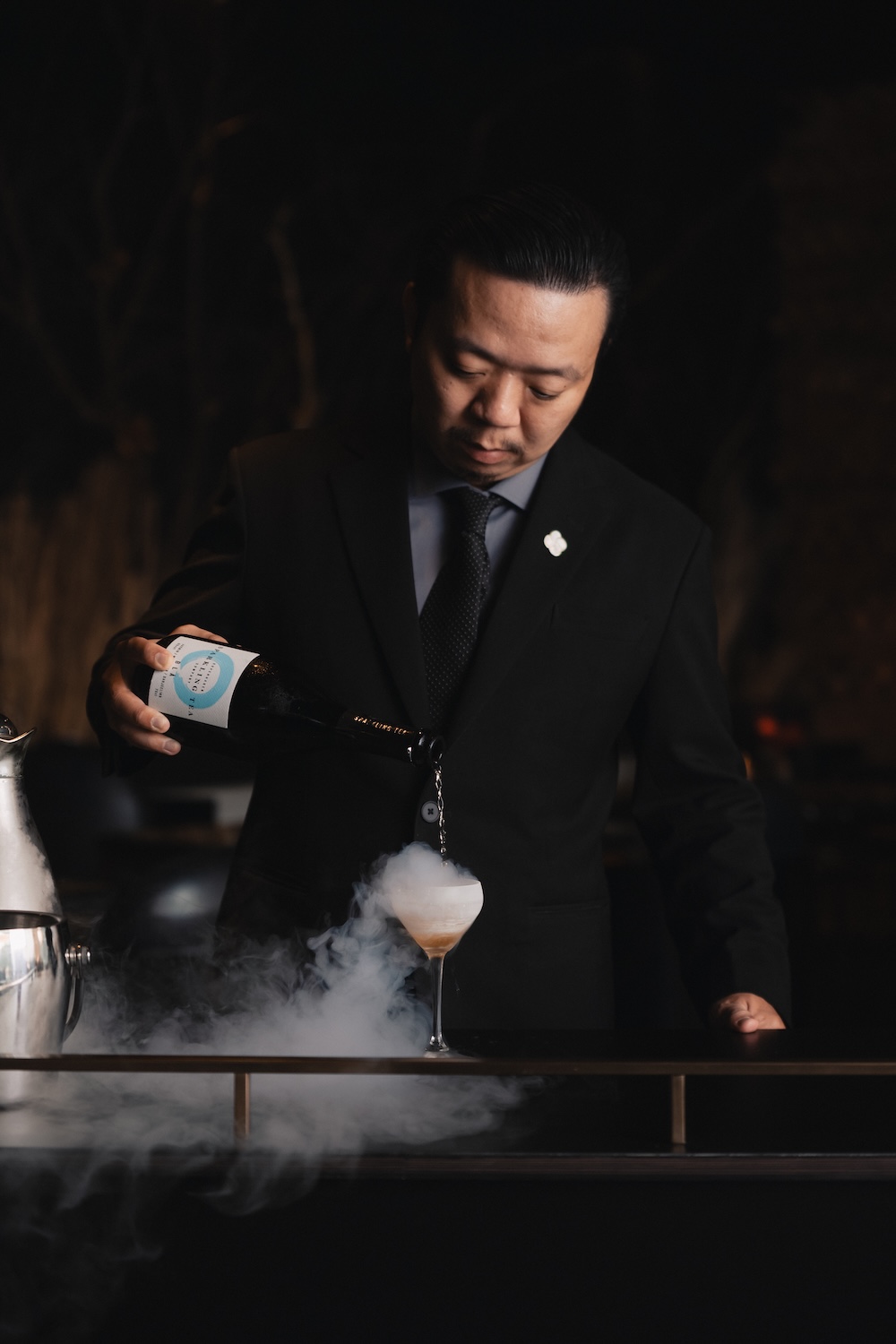
The journey begins, as the best ones do, before the meal proper. You are received first at CoCo Bar, where an aperitif sets the tone the way the platform sets the tone for the train. Only then are you led into the dining room, and there the conceit reveals itself: each course arrives with a postcard, a vintage manga style vignette, telling you what the dish is, where its ingredients were gathered, and how it entered the chef’s life. A memory of a new flavor here, a childhood harbor there. The storytelling is not decoration laid over the food; it’s the rail on which the food travels, and it turns a sequence of plates into eleven stations of a single unfolding narrative from the north of the country to the deep south.
It’s a rare and generous kind of hospitality, and it makes the guest a passenger rather than a spectator. You are not merely eating dishes. You are being taken somewhere.
The Young Boy And The Sea
To understand the journey on the plate, you must first understand the journey of the man, because at CoCo the two run on the same track.
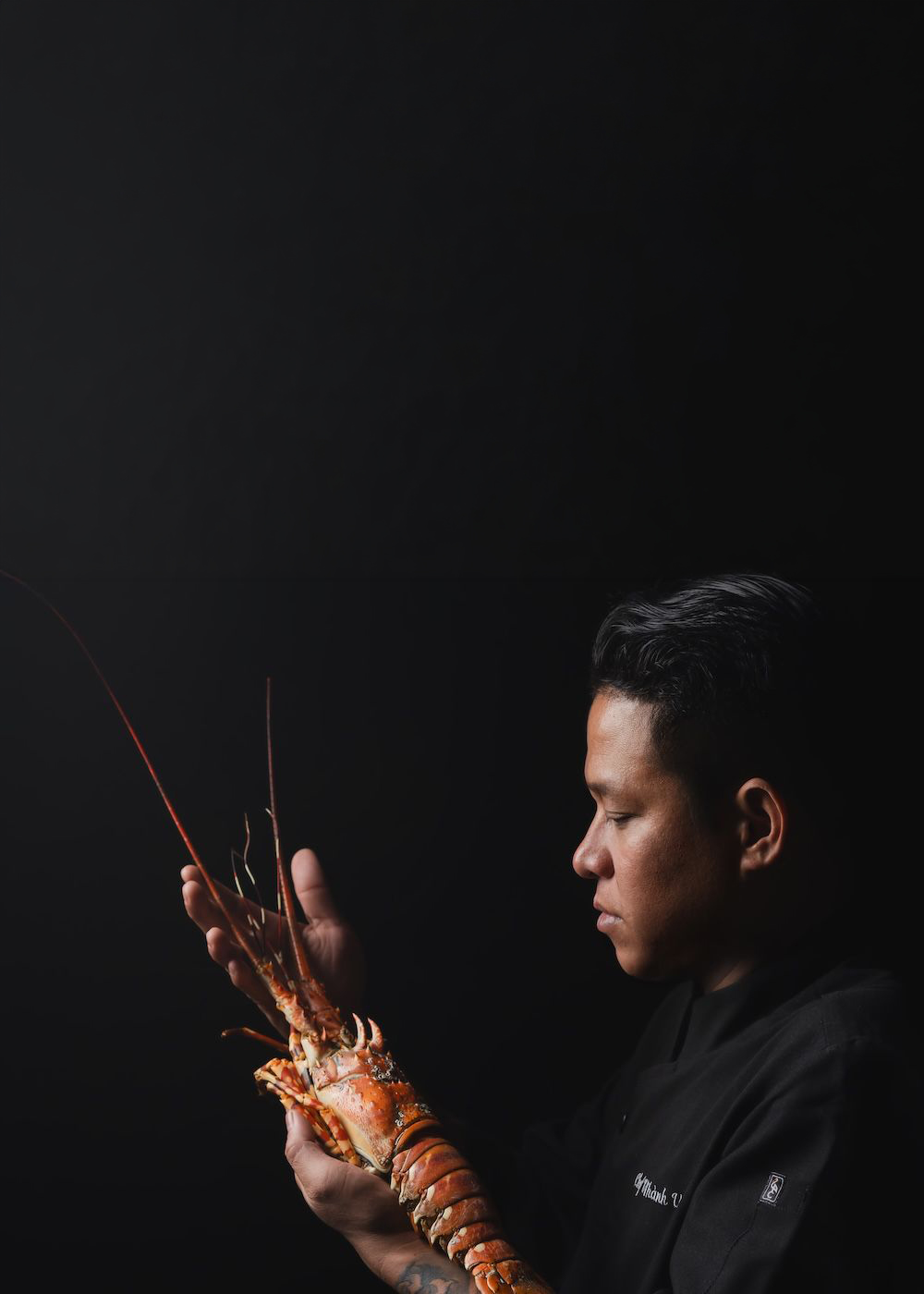
Vuong did not come to cooking the way most Michelin-starred chefs do. He came to it from the sea. He left school at around eleven and spent close to nine years working as a fisherman, out on the water for a fortnight at a stretch, hauling in the catch and learning, in the most literal way a person can, what it takes to bring good produce ashore. His mother sold fruit smoothies on the street; he was raised among them. There was no culinary lineage, no grandmother’s celebrated kitchen, no early dream of restaurants. There was salt, and wind, and the fifteen-day rhythm of a boat that only returns to shore when its hold is full.
When he finally left the sea, at around twenty, he did a single year of cookery school and then knocked on doors across Ho Chi Minh City looking for work that would not come, until a friend found him a place. And there, at last, something ignited. He had grown up eating Vietnamese food every day without ever truly paying attention to it, the way a fish never notice the water. It was only when he stepped into a professional kitchen and felt the vast distance between home cooking and haute cuisine that the thing woke in him. He had tried construction, tried other lives; only when he began to cook did he feel, for the first time, like himself.
The Vision That Changed A Chef Life
What followed was a detour that lasted years, and it is the most human part of the story.
Vuong trained in French kitchens and Italian ones, worked under a chef who had himself worked under Nobu, and learned that flavor could be broken apart and reassembled in a thousand ways. For a decade he served one mentor, a French-trained chef of Cambodian roots, born in France and long established in Vietnam. And for the longest time, he cooked to become someone else. For a boy of such humble beginnings, the West was the summit, the thing to be reached, and so he reached for it: technique upon technique, modern cuisine without a root, food that was accomplished and precise and, as those closest to him gently admit, not yet him. You could taste the skill, butyou could not taste the man.
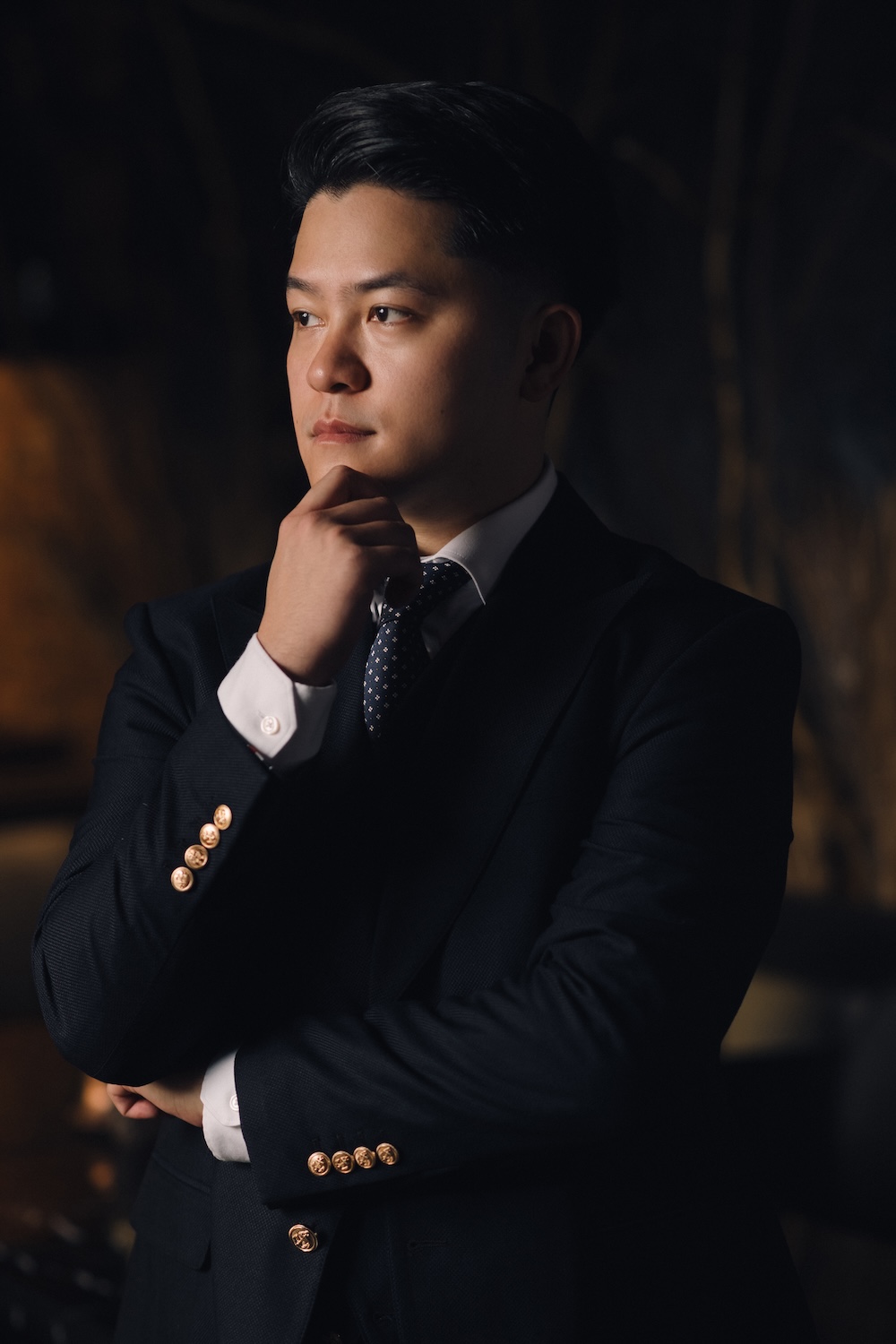
The turning came from two directions. His mentor, on parting after ten years, told him plainly not to spend his life replicating French cooking, but to find a way that represented himself and his country, because that, and not imitation, was the true road of a chef. And Daniel Dang, CoCo’s managing director, sat him down and asked the question that would change everything: why not cook the flavors that are actually true to you, something from your own past?
It took Vuong a month simply to accept that past. He had never wanted to speak of the hard beginnings, the poverty, the childhood in a place where hope was scarce. But in 2024 he built a menu that embraced it at last, and when he finished it, after nights in the kitchen that ran until five in the morning, he wept. It was, those who were there say, a homecoming: the story of a man who spent years running from who he was in order to become something else, and who finally turned around and walked back to himself, only now elevated, polished, armed with everything the long detour had taught him.
A Life Journey Through Three Menus
Out of that reckoning came a trilogy of menus, each a further leg of the same expedition, and to follow them in order is to watch a chef walk his way home. The first was Ra Khoi (2024-25), “Setting Sail”, the autobiographical chapter, the sea and the childhood laid bare. Then came Lu Hanh (2025-26), “The Journey”, the north-to-south train ride across the whole country, the menu it was my privilege to travel through, eleven stations from the highlands to the delta. And now, freshly unveiled, Luu Tich (2026-27), “The Living Archive”, which no longer maps a coastline but a process, asking outright what has shaped the Vietnamese palate across the generations and answering it in five movements: cultivation, preservation, synthesis, heirloom and sweet memory.
For Vuong views his country’s cooking not as a fixed tradition to be reproduced but as a living archive, continuously written by the people, places and practices that leave their mark on it. His method is the fisherman’s method, transfigured. What the sea taught him about keeping food alive across fifteen days, the salting, the pickling, the fermenting, the survival skills of a boat far from shore, he now performs as art. The fermented squid he loved as a child, the tiny ones packed in salt in a jar and eaten with rice until their savour drew out the sweetness of the grain, was once a coastal necessity. On his kitchen it becomes a delicacy, the survival skill redone “in the proper way of cooking”. His is a kitchen that has stopped rejecting its origins and started to honor them.
A Culinary Ride Across Vietnam
This is how Lu Hanh, Vuong’s menu presented in 2025 and served until just a few weeks ago looked like.
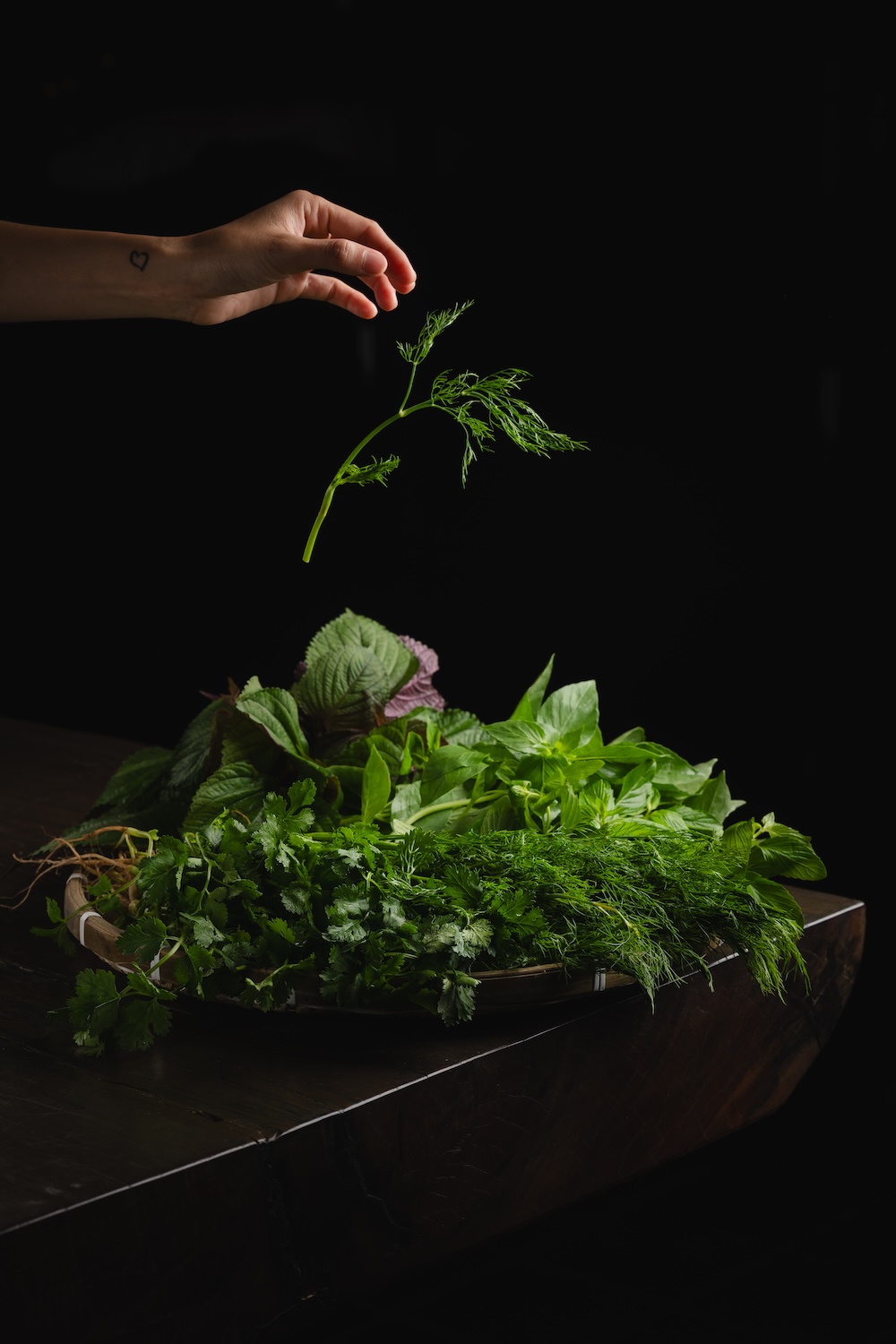
What surprises the newcomer, and it surprised this one, is how far the truth of Vietnamese cooking sits from its cliché. One arrives half expecting the fire of Thai food and finds instead the opposite: a cuisine that is aerial, perfumed, herbaceous, built on balance and freshness and the most delicate of matters, with deep fermentation set against living herbs like shadow against light. The journey on the plate is one of nuance, and it asks you to slow down and notice.
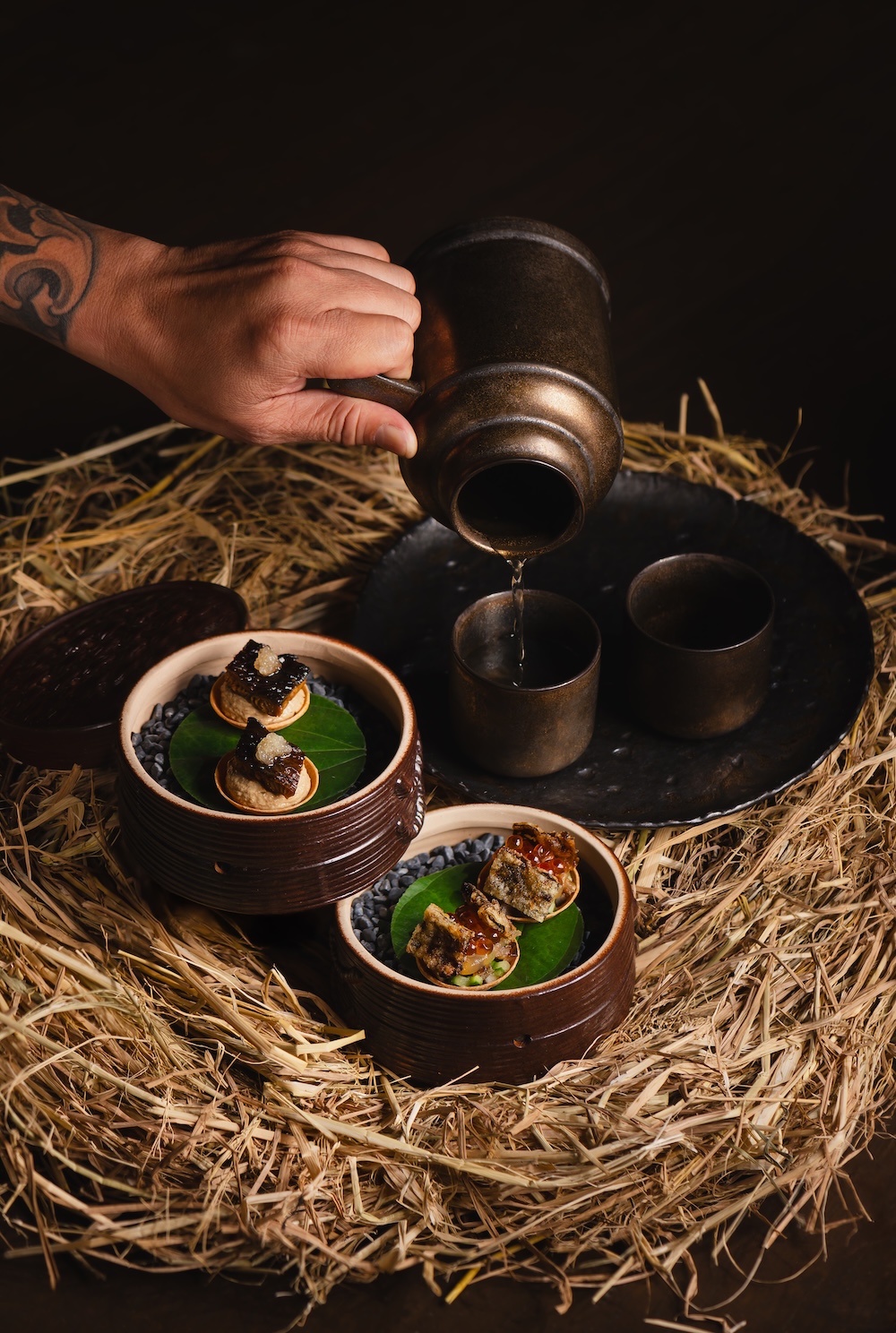
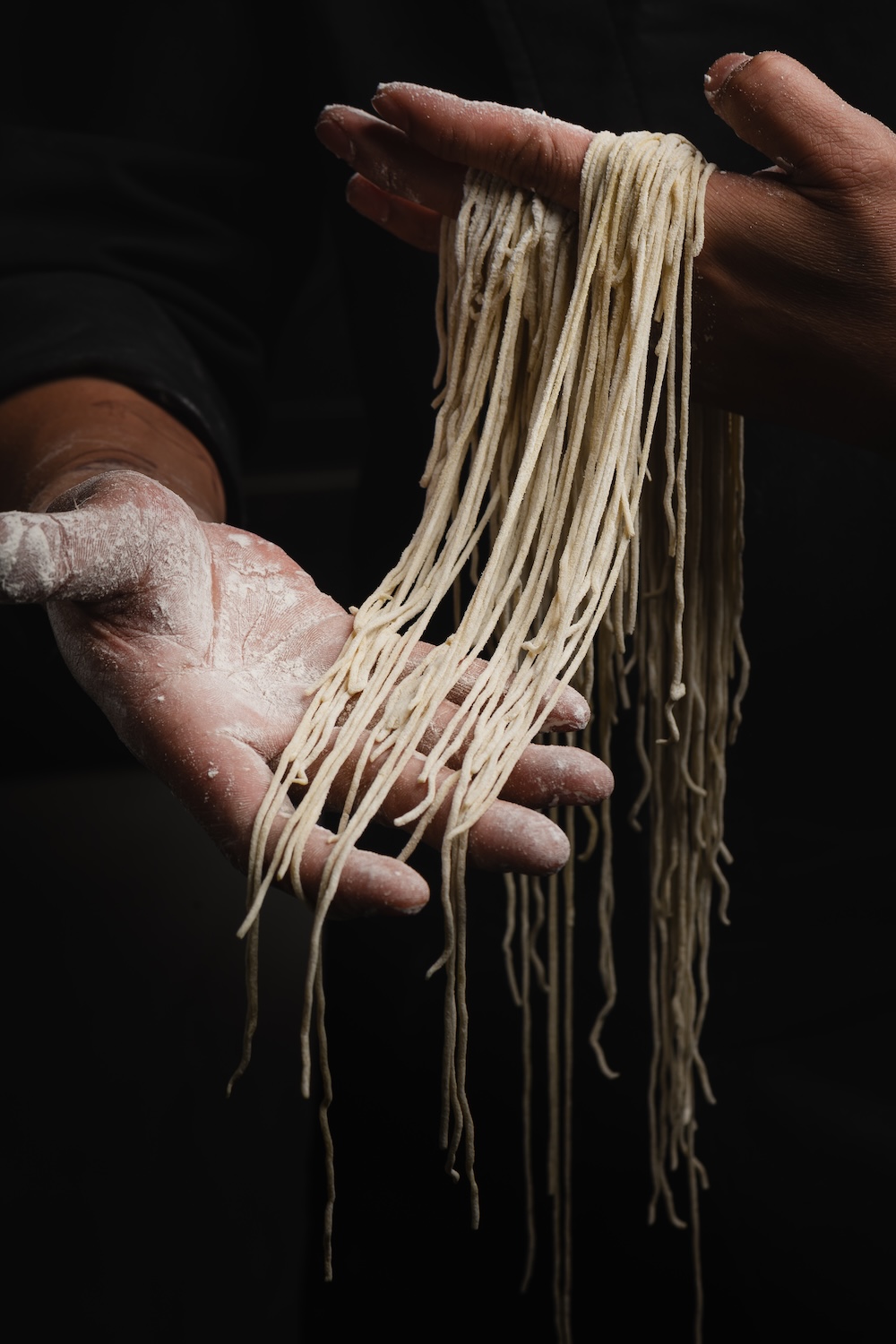
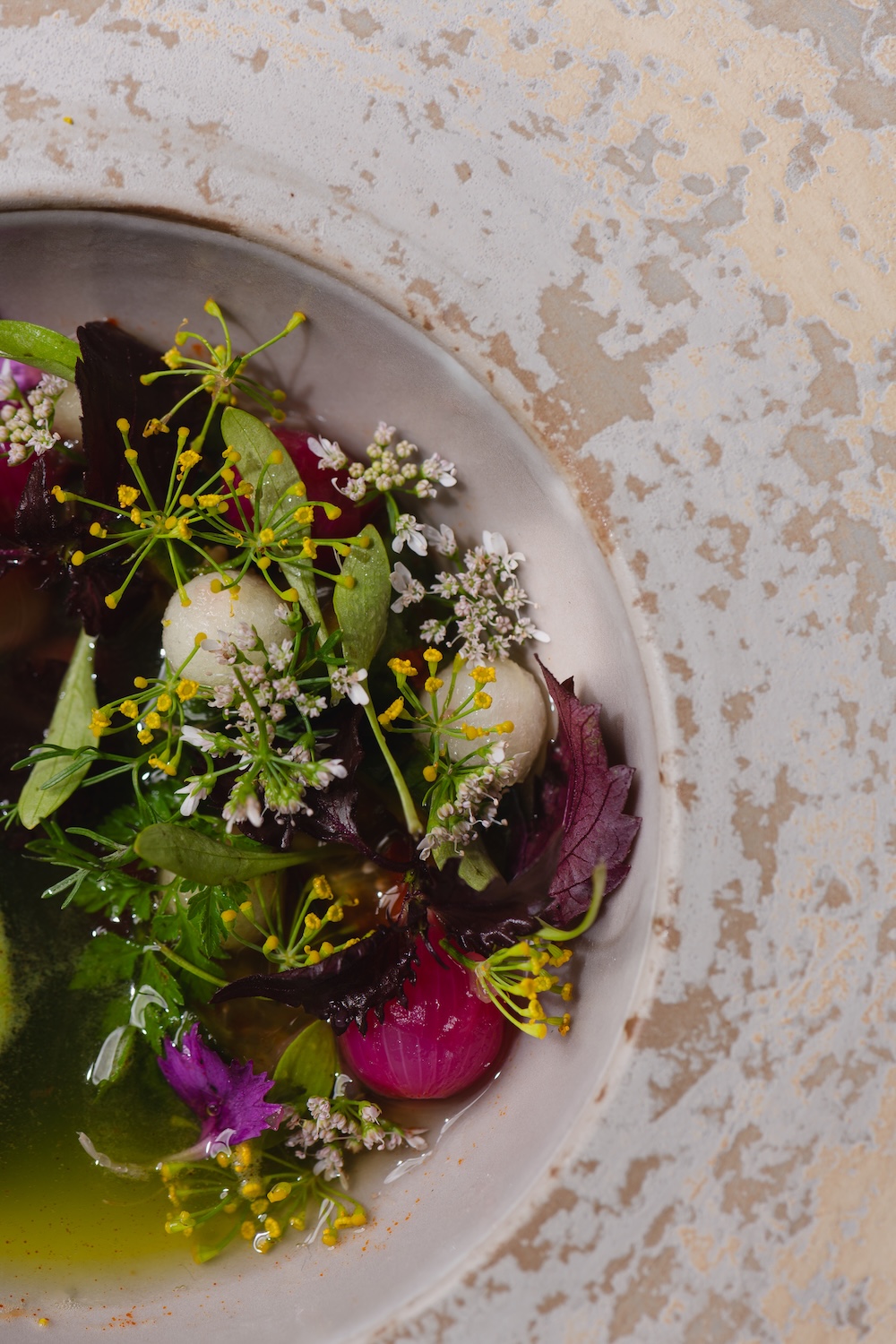
It opens in the north with field eel, Muong Khuong chilli and lime caviar, a first station of startling clarity. Soon after comes a plate that could stand as the manifesto of the whole cuisine: Tra Que herbs, basil and apple, a quenelle of basil sorbet strewn with tiny flowers and leaves, delicate and airborne, a small poem of a dish that tastes the way a garden smells after rain. Then Tam Ky chicken with truffle and ST25 rice, and here one pauses in something close to reverence, for ST25 is held to be the finest rice strain in the country, no small claim in a nation that grows extraordinary rice and has built an entire craft around its milling.
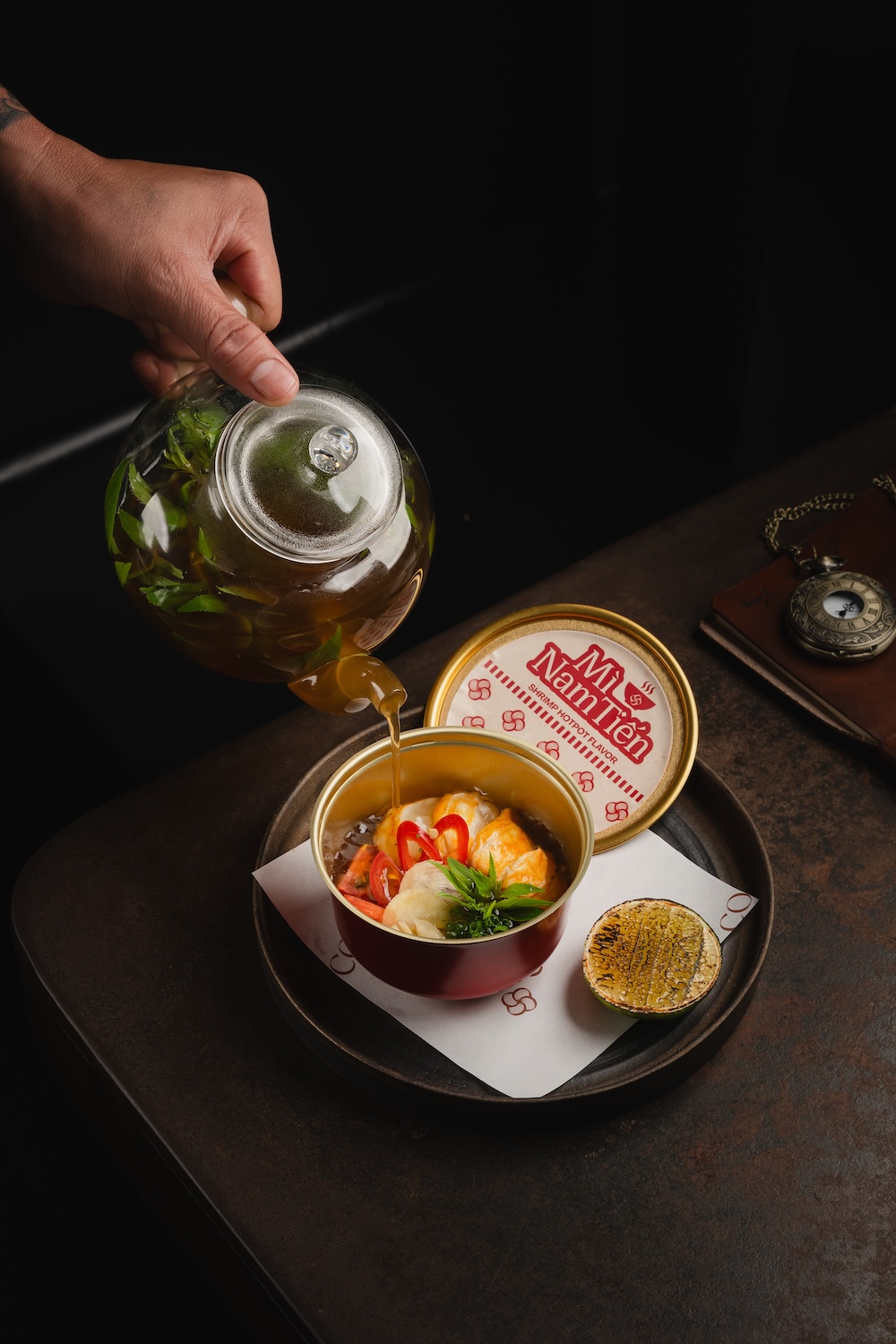
The train rolls on. Madai with water celery and tomato arrives looking like a pond rendered in miniature, again that perfumed, weightless delicacy that keeps confounding expectation. And then the dish that made the table smile: Nha Trang blue lobster with Ly Son garlic and lobster consommé, presented in the guise of a humble pot of instant noodles, that cheapest of suppers now dressed in silk. It is the childhood memory of the train home to Phan Thiet, steeped and served with a wink, and it is, beneath the joke, delicious to the point of tenderness. Few gestures capture the restaurant so completely: the poor boy’s noodles and the Michelin chef’s consommé, poured into the same bowl.
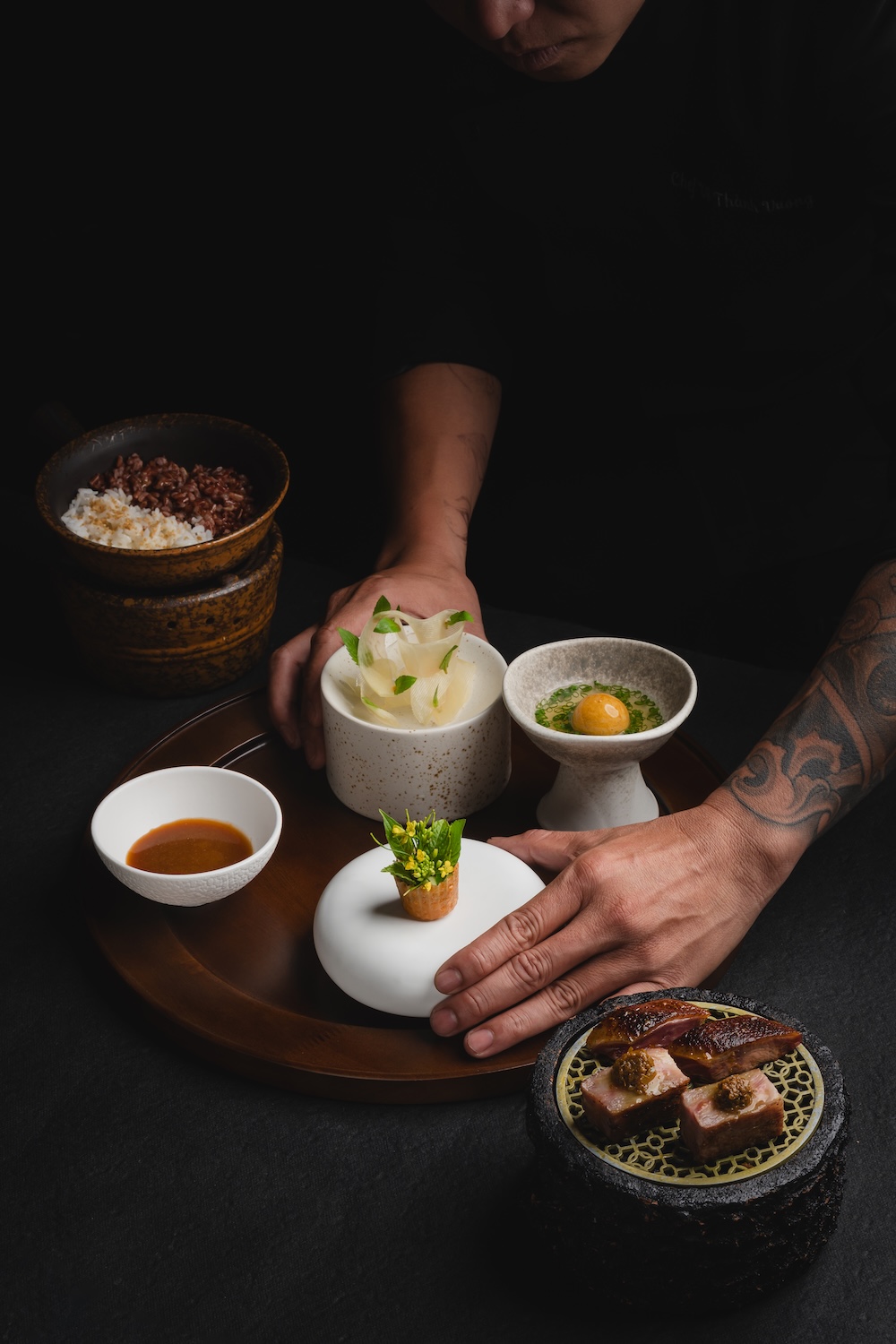
The savory journey reaches its terminus with a plate of quiet grandeur, though grandeur is the wrong word for something so alive: Wagyu striploin and Iberico secreto with a “Ba Khia salad” from Nam Can, in the country’s far south, chao sauce, and both Nang Huong and red dragon rice arrayed across the table like the spread of a shared family meal, something very much rooted in the Vietnamese tables. Two extraordinary meats, that magnificent rice once more, a dish that gathers the whole expedition into a single generous table before the descent into sweetness.
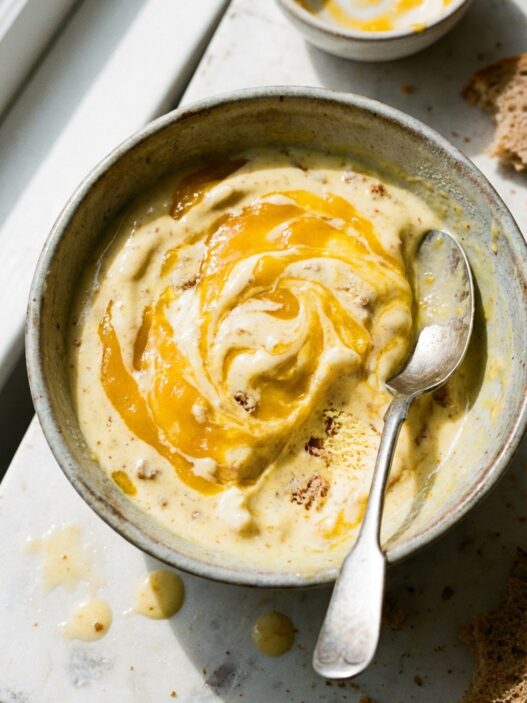
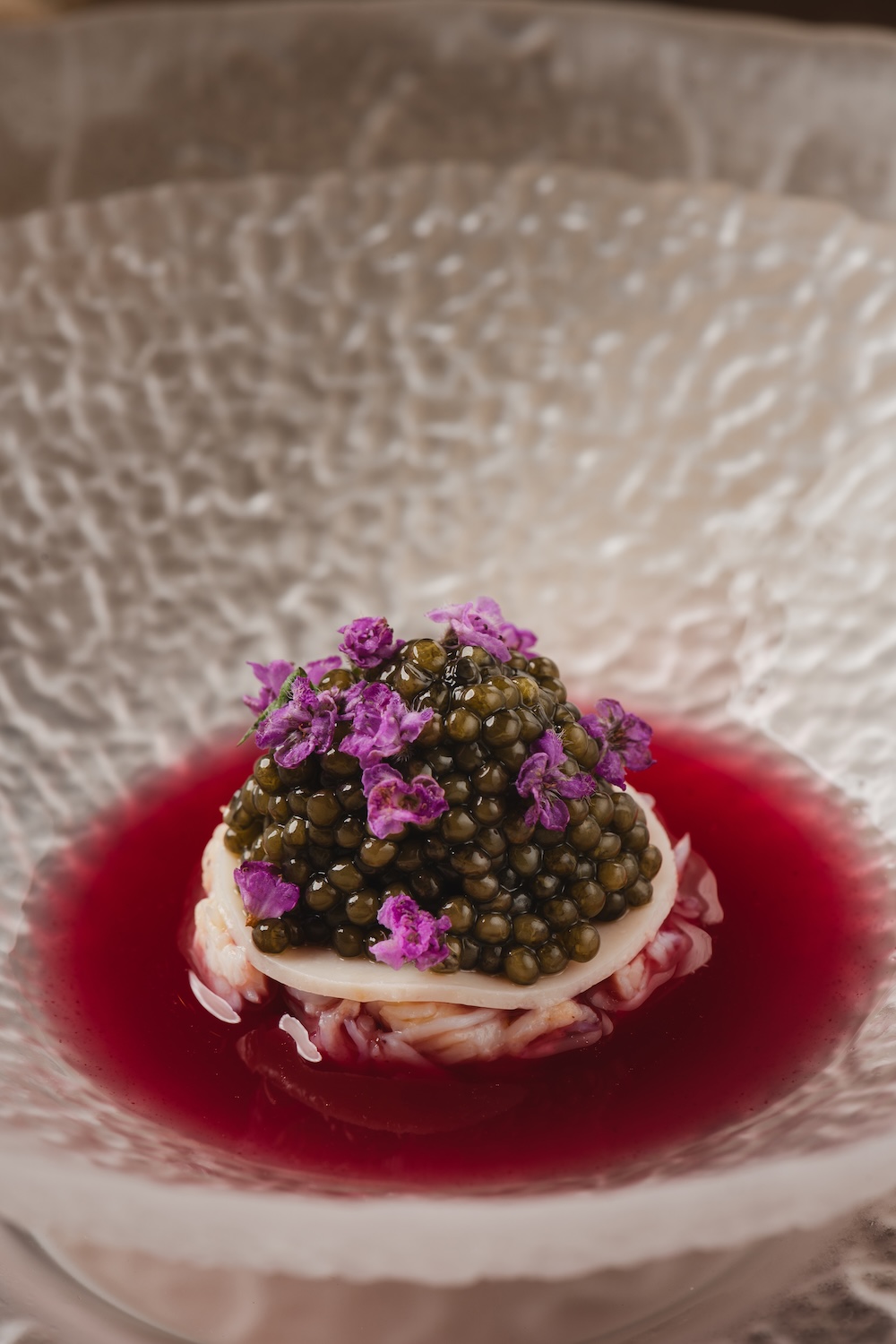
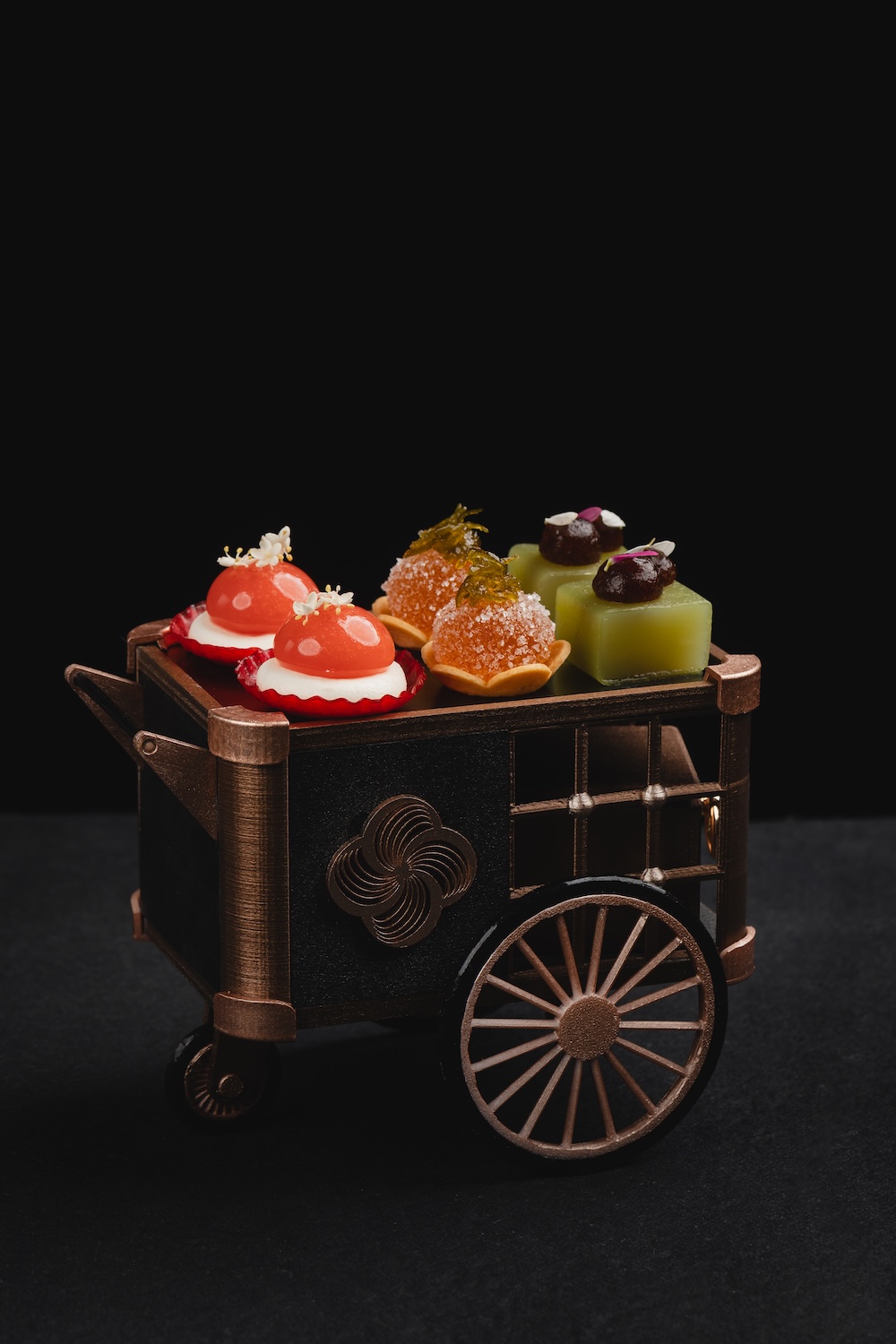
And the desserts do not break the spell. First a soaring homage to Vietnamese coffee, Dak Lak robusta with Mac Bac sapodilla and Long Thanh milk, superb and unmistakably of this place. Then a second, a lovely closing sweetness. And finally the petits fours, wheeled out on a miniature hawker’s cart, yellow and green and pink, as beautiful a full stop as any meal has offered.
Four Ways To Travel
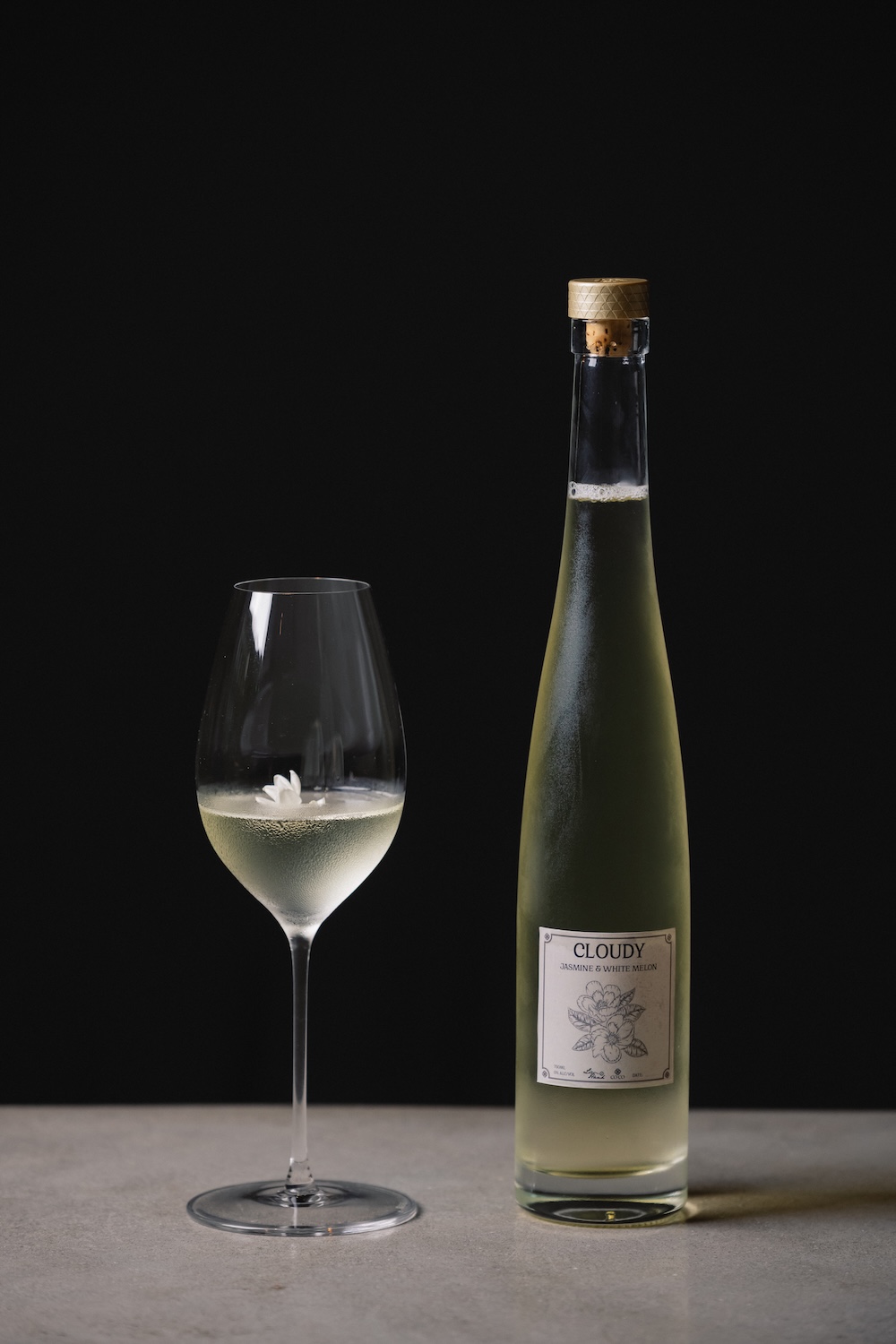
A journey needs its accompaniment, and CoCo offers four, each a different class of carriage. The Botanic, the non-alcoholic pairing built by the bar team from the herbs, flowers and fruits of Vietnam, is no afterthought of juices but a genuine parallel voyage, and it impressed as much as anything on the table. The Explorer is the adventurer’s route, weaving cocktails, wine, champagne, sake and local spirits into the spirit of discovery at the restaurant’s heart. The Classic pours established international labels of real pedigree, and The Connoisseur reaches for the true unicorns of the cellar. Whichever you choose, the drink travels beside the food rather than trailing behind it.
The Light At The End Of The Line
There is a part of this story that Vuong himself has never been able to tell, because he fears it would sound like a boast. He grew up surrounded by hardship and bad influence, in a place where a young life could go easily astray, and he was, as those close to him put it, the one who made it out. What he wants most, and does not know how to say, is to show the children still in that setting that another path exists, that there is a light at the end of the tunnel, that a boy can go from a fishing boat to a Michelin star without ever ceasing to be himself.
He will not say it aloud. So let this stand in his place: that the journey CoCo Dining offers its guests, this first-class passage through the perfumed, herbaceous, endlessly surprising landscape of Vietnamese cuisine, is also the journey of the man who cooks it. Every station on the menu is a station he has lived. And the marvel of it is that the guest gets to make that journey too, the whole length of a country and the whole arc of a life, in the space of an evening, without once leaving the table.
That is first class, in the truest sense. Not the luxury of the seat, but the distance travelled while sitting still.
CoCo Dining 143 Nam Ky Khoi Nghia, District 3, Ho Chi Minh City, Vietnam