Michelin starred La Bottega in Geneva has long been a must-visit amongst foodies. Having been home to world-class chefs, the kitchen is now led by rising star: 29-year old Naples-native Fernando Forino, who has given the place some personal touches.
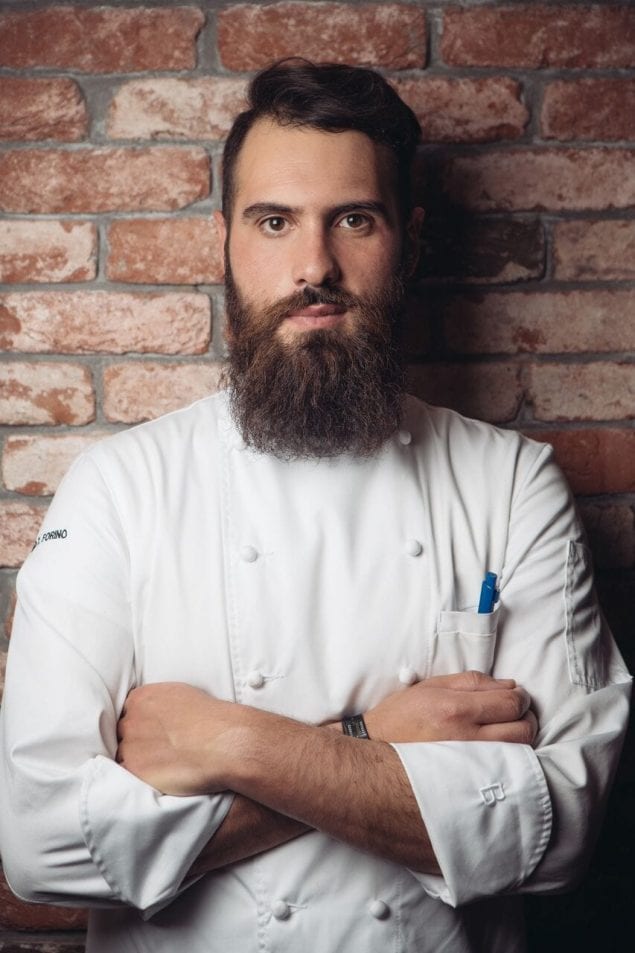
His love for food started at a young age, when he would watch his mother and grandmother, in awe, while they were cooking family meals. At 13 he got his first part-time job in a pizzeria, and at 14 he already knew his passion and enrolled in culinary school.
This led him to work at renowned places like Copenhagen’s Noma and Chicago’s Alinea before returning back to Naples. About a year ago, Fernando packed his chef’s knives and moved to Geneva to take over the renowned La Bottega, which has made its mark on the local culinary world by serving exquisite Italian food.
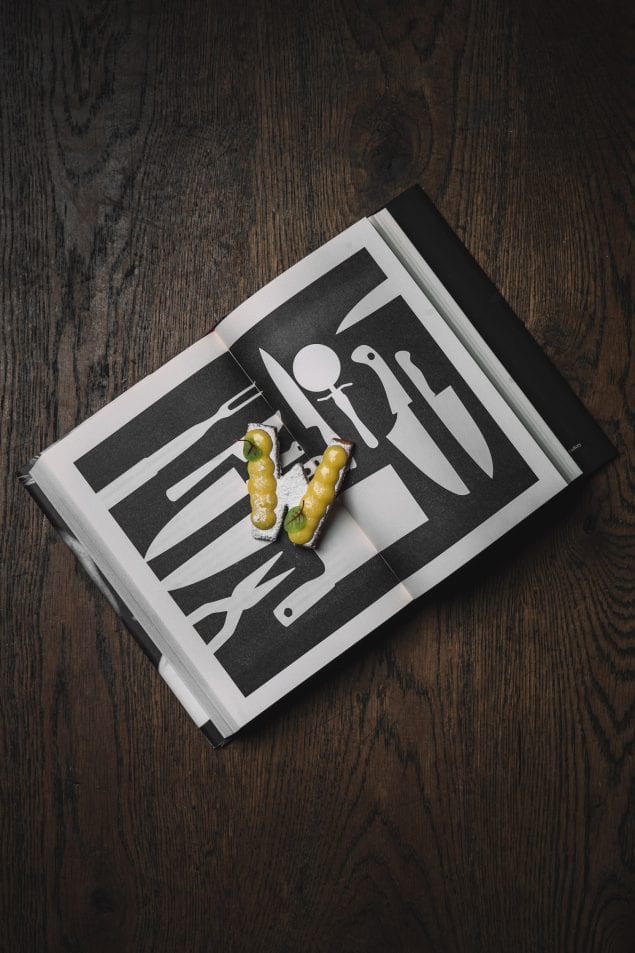
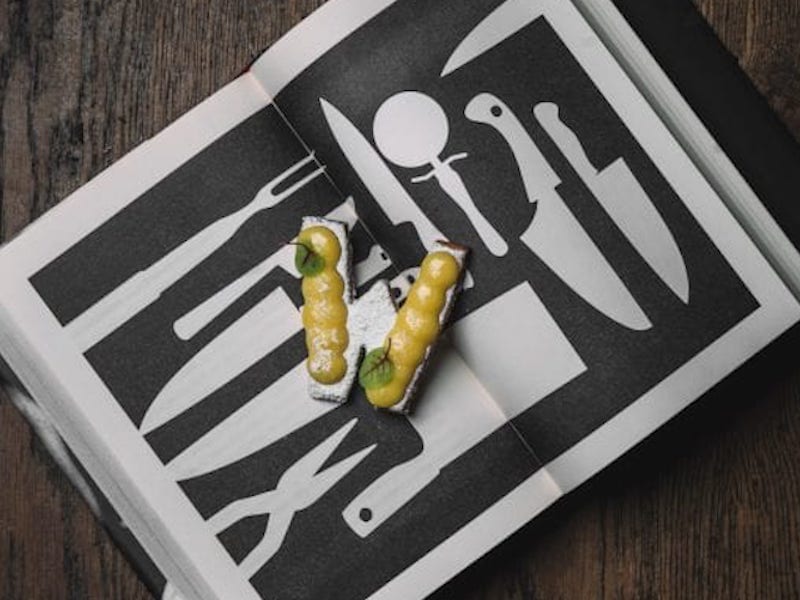
His work could only have been inspired by the rigour, humility and genius of Marco Pierre White, as his Lemon tart.
Happy cooking!
Print
Lemon Tart by Chef Fernando Tommaso Forino of La Bottega – A tribute to the master Marco Pierre White
- Total Time: 2 hours 10 mins
- Yield: 1 large tart (8 slices) or 6–8 individual tartlets
Description
Michelin starred La Bottega in Geneva has long been a must-visit amongst foodies. Having been home to world-class…
Ingredients
SHORT PASTRY
- 300 g flour
- 150 g butter
- 100 g sugar
- 40 g egg yolk
- Vanilla extract
LEMON CURD
- 0.5 l milk
- 100 g sugar
- 40 g rice starch
- 6 egg yolks
- 30 g lemon juice
- 3 lemons (zested)
- Cress, for garnish
Instructions
- Prepare the shortcrust pastry with the ‘sanded’ method:
- Pour the flour into a fountain
- Add the pomade butter in pieces
- Work with your hands and form a crater
- Pour sugar, egg yolk and start kneading.
- Add the vanilla extract to the dough (which should be homogeneous)
- Spread and wrap in parchment paper
- Let it rest in the refrigerator for 30 minutes.
- With the help of a stencil form some W
- Bake at 200 degrees for 30 minutes
- Prepare the lemon cream (mixing all the ingredients)
- With the help of a pastry bag cover the pastry surface
- Sprinkle with powdered sugar and veins of cress
Notes
The butter should be genuinely soft — pomade consistency — before you start. Hard butter tears the dough and makes it tough. Do not overwork the pastry once the egg and sugar go in; mix only until the dough just comes together. For the lemon curd, stir constantly once it goes back on the heat and remove it the moment it thickens — rice starch sets quickly and the curd can go lumpy if left too long.
- Prep Time: 40 mins
- Cook Time: 30 mins
- Category: Dessert
- Cuisine: Italian
La Bottega – Rue de la Corraterie 21, Genève, Switzerland – www.labottegatrattoria.com
Frequently Asked Questions
What kind of flour should I use for the crust?
For the best results, use all-purpose flour as it provides the right texture for the tart crust.
How can I ensure my lemon filling is smooth and free of lumps?
Make sure to strain the lemon juice and egg mixture through a fine sieve before pouring it into the crust to remove any potential lumps.
What type of lemons should I use for the filling?
Use fresh, ripe lemons for the filling, as their zest and juice will provide the tart with the ideal balance of acidity and flavor.
If You Liked This Recipe, You’ll Love These