
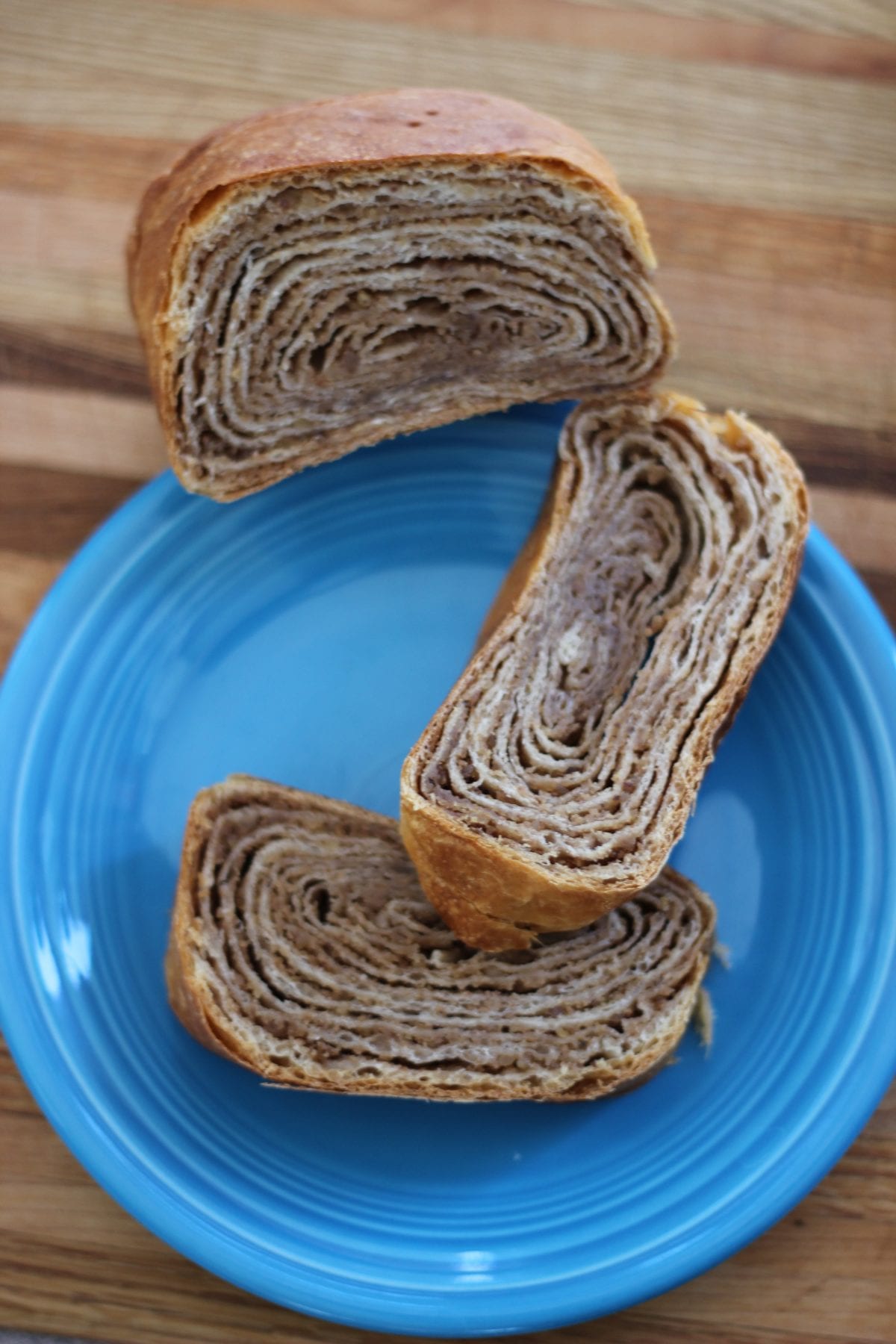
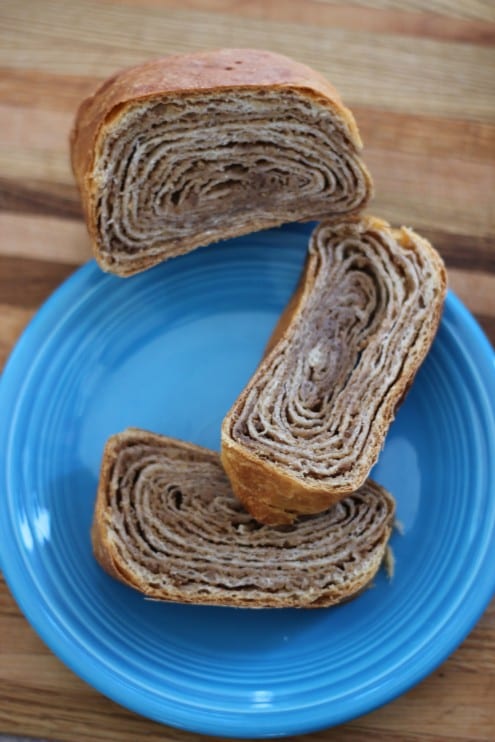
For me, potica, a delectable nut bread filled with walnut-honey paste, is chief among them. Potica (pronounced po-teet-sa) has Eastern European, and particularly Slavic, roots. Those who understand the care that goes into making potica know that when it is served, it is to be savored. It’s often reserved for special occasions such as Easter, Christmas or weddings.
I’ve always been fascinated by ethnic food traditions, but this one is particularly dear to my heart. Where I come from, potica is not only a delicacy, it’s an integral piece of the culture.
I grew up on the “Iron Range,” the nickname for a region in Minnesota whose history and landscape were irrevocably shaped by the steel industry. The iron ore mining boom in the early 20th century brought successive waves of immigrants who were looking for better lives to the region. They emigrated from dozens of European countries, creating a diverse population. The old “melting pot” mentality pushed immigrants to assimilate, to learn English and to abandon their cultural traditions.
While I’m sure it’s not completely unique, I’ve lived on the West and East Coasts and haven’t encountered this level of consciousness about individual heritage elsewhere — at least not among the white people I know. In grade school, I remember the kids asking one another, “What are you?” Since it’s rare these days, it was a point of pride to be 100 percent Finn or 100 percent Italian, for instance.
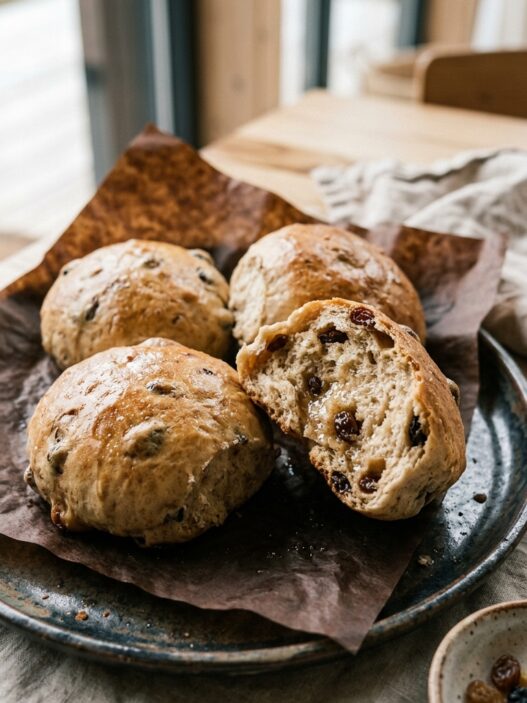
In my hometown, people can easily surmise your ethnicity once they know your last name. It’s a place where ethnic clubs, like the Slovenian Women’s Union, the Ladies of Kaleva (Finnish) the Sons of Norway and the Italian-American Club still exist. And food plays a pivotal role at club-sponsored events, whether it’s potica or pulla (a tasty, Finnish cardamom bread). It’s a delicious way of paying homage to our ancestors while remembering our roots.
My Slovenian grandmother carries on the tradition of making potica for our family celebrations. And I think everyone in my family will agree that it’s not really a significant celebration if the potica is missing.
There are a number of potica variations. Walnut is the standard for Slovenian potica, but there are many variations, likely based on the region where the recipe originated (Croatia, Serbia, Slovakia, etc.). You can find potica made with pecans, poppyseeds, raisins, apple, cream cheese and more. Some potica is doughy and bread-like, while some is sweeter and more dessert-like, featuring impossibly thin layers of dough.
My grandmother makes the latter variety, which involves a great amount of skill because it requires the dough to be stretched the full length of a large table. The uninitiated (like myself) are sure to tear holes in dough that is so thin it’s on the verge of its breaking point.
After the dough has been stretched, it’s spread with a walnut/honey/brown sugar paste, and then finally the potica is rolled up and baked until golden brown.
The skill and dexterity with which my grandmother rolls out and stretches the potica dough is astounding. It’s as if she’s channeling an ancient cultural memory. I’ve taken a couple of lessons from her, but making potica is an elaborate, all-day process that I haven’t yet attempted alone. But since potica is one of the last remnants of my Slovenian heritage, I’m committed to learning and carrying on this delicious tradition.
If you aren’t fortunate enough to have a Slovenian grandmother but would like to try potica, my friends recommend the Sunrise Bakery or Andrej’s European Pastry.
Thank you so much for your story. My great grandparents immigrated from Yugoslavia. We always called this grandma’s Christmas bread. Every year with out fail she made one for each family. She never shared or taught any of her children or grandchildren how to make it. One year when I was older going through the 1956 first edition og Betty Crocker’s cook book I found it. It was a lot of work for me then as a new mom and outside my comfort zone. However my grandmother was not able to make it. I made it for her and she said it was as good as hers. I have held that all these years. Then last week I was being told how my aunt always wanted that recipe. She has passed now and her sons wife was telling me the story and I told her I have it. Now I am in the process of typing it all out and it will be my gift of sharing with her great, great great, and great great great grandchildren. It’s funny how things circle back. Much love to you and your family
I too am Slovenian and our families were from northeastern Pennsylvania. My grandmother and three aunts made Poticia as well as my mom. They all seemed to have recipes that varied. While this article is very interesting, where can I find recipes? My cousin is also trying to recreate a recipe that would be like grandma. Can anyone help?
I grow up on the range and very proud to say I’m bohunk. My grandmother and mom made potica. I have tried but never turns out like theirs. I will keep trying and will continue showing my grand kids. We make kifiles at Christmas and they turn out good, and the grand kids do real well.
It would be lovely to have her recipe to try. It’s difficult to find one rolled as thinly as hers/yours. Would you mind sharing it so I could try? Thank you!
So nice to read your story. My mum passed away a few years ago from cancer taking the recipe with her. We are Slovenian but we should have paid more attention. My sister daughter and nieces have been trying different Slovenian recipes. But Potica is the last one on the list. My daughter and I are going to attempt making it this week for first time. I have been looking at lots of recipes and hope we do the Potica proud. Thank you for sharing your story
I have been making a version for nearly 60 years. What is your recipe?
I was born in the iron ore range myself. My mother always would make potica for Easter and Christmas. I remember helping. Now my siblings and I have carried on the tradition. I never can get my dough spread as thin as my mom but it still tastes yummy. I use her recipe but add more cinnamon. Thank you for sharing your story.p
Iton Ore Range. Born in Hibbing! I have taught my girls how too make Potica and Sarma. My mother was Slovanian and father Croatian.My family loves traditions
Yes! Thank you, Lissa. This article is timeless!
I also grew up on the Iron Range in MN – went to school with some Makis. Small world!
Hello,
I’m a little late to the party, but just found this and would like to help with “strukla”. It’s called štruklji and they can be sweet or savoury. The filling can be anything you wish but walnuts or cottage cheese are traditional. While walnut štruklji are always sweet cottage cheese ones can be sweet or savoury. And the savoury ones go excellent with various meat dishes. Here are some links. https://en.wikipedia.org/wiki/%C5%A0truklji and this is just one of many recipes on this site https://www.kulinarika.net/recepti/13450/predjedi/struklji-hitro-narejeni/
I’m sure you can find more later. Best of luck with making them and dober tek (bon apetit).
My grandmother is Slovenian and now had dementia and Alzheimer’s disease. Her recipe was with walnuts and onions but none of us can find her recipe.I’ve searched the internet and can’t find anything similar. Maybe someone can help?
Walnuts and onions together is unusual enough that somebody in a Slovenian cooking group will recognise it straight away. I hope you find it, and I am sorry about your grandmother.
Hi, I just came across your website while trying to find recipes my great grandmother used to make and wanted to mention that she used to use the Potica dough to make Strukla as well. It was delicious and I am working to find her old recipes for them. Thank you for your post about Potica!
What a great find. Enjoyed your video!
I am on the national board of the Slovenian Union of America ( Slovenian Women’s Union of America) in chargé of culture and heritage. I am just finishing Christmas Eve and Christmas Day recipes for our new cookbook that will be out in June 2015.
Today I am making a tarragon potica, which is the favorite in Slovenia. Personally is is not my favorite, but many love this one.
Keep in touch! I too was born on the Iron Range, now living in Alabama.
I have some very old potica recipes from my grandmother that are good. I just cant make it rolled so thin like she used to do. if anyone is interested let me know
Hello John,
I came across your Povitica recipe offering and if you are stilling willing to share I would love to make it! Hope you have a great week!
Dara