
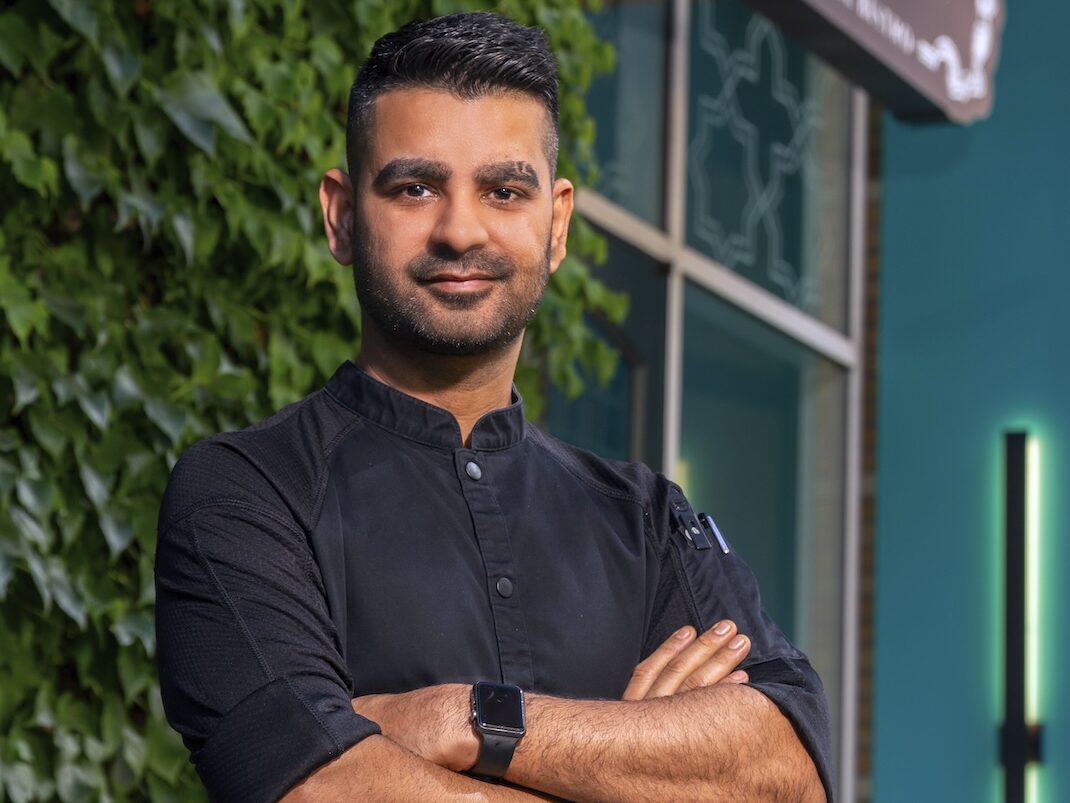
Indian restaurants are having a moment, and nowhere is that more evident than in New York City. While the city is home to countless exceptional Indian restaurants, few are reimagining the cuisine with as much creativity and confidence as Farzi NYC. Situated on an unassuming corner of Tribeca, Farzi NYC puts a spin on what modern dining could be. Under the direction of chef Gaurav Chawla, your usual traditional Indian bites are elevated with tableside theatrics and just enough NYC flair to keep even seasoned diners surprised.
The Eats
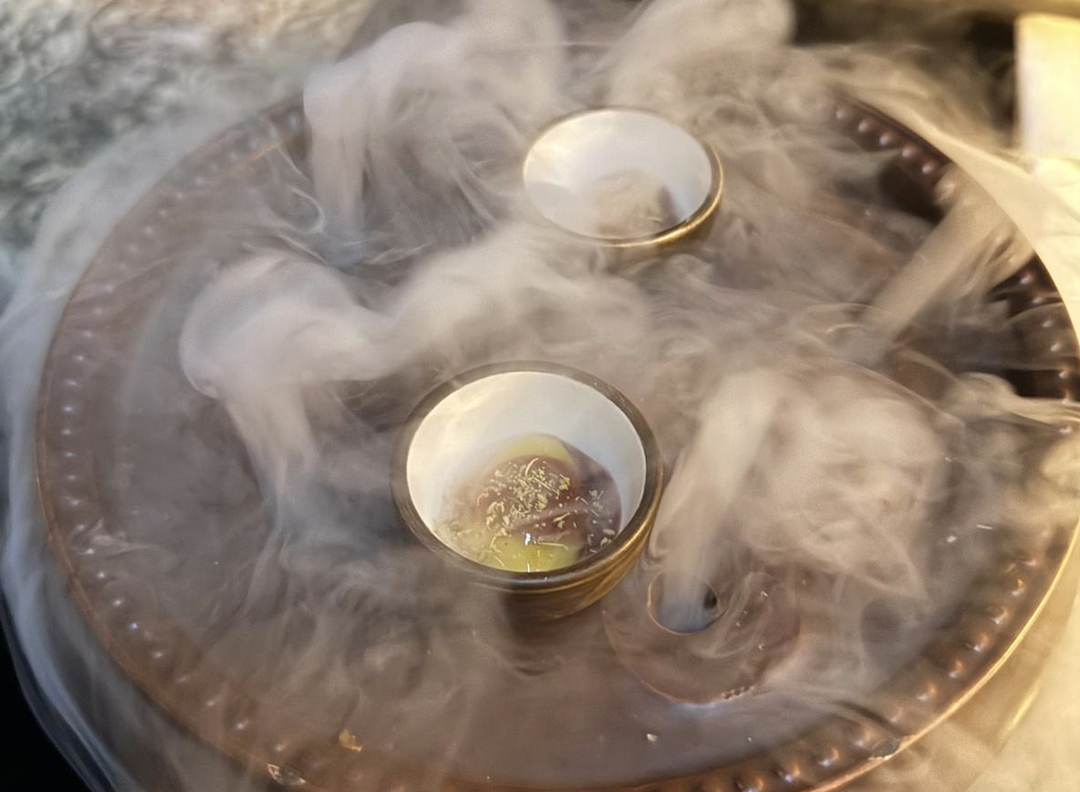
The menu is split into two acts: “Opening Notes” and “The Main Affair,” and the first line on the page doesn’t bury the lede: “avant-garde Indian cuisine with a twist.” First up: a dramatic amuse-bouche that arrived under a cloud of dry ice, revealing a guava-forward pani puri-esque bite that was sweet, tart, and refreshing — an opener that did its job and reset our mouths for what was coming.
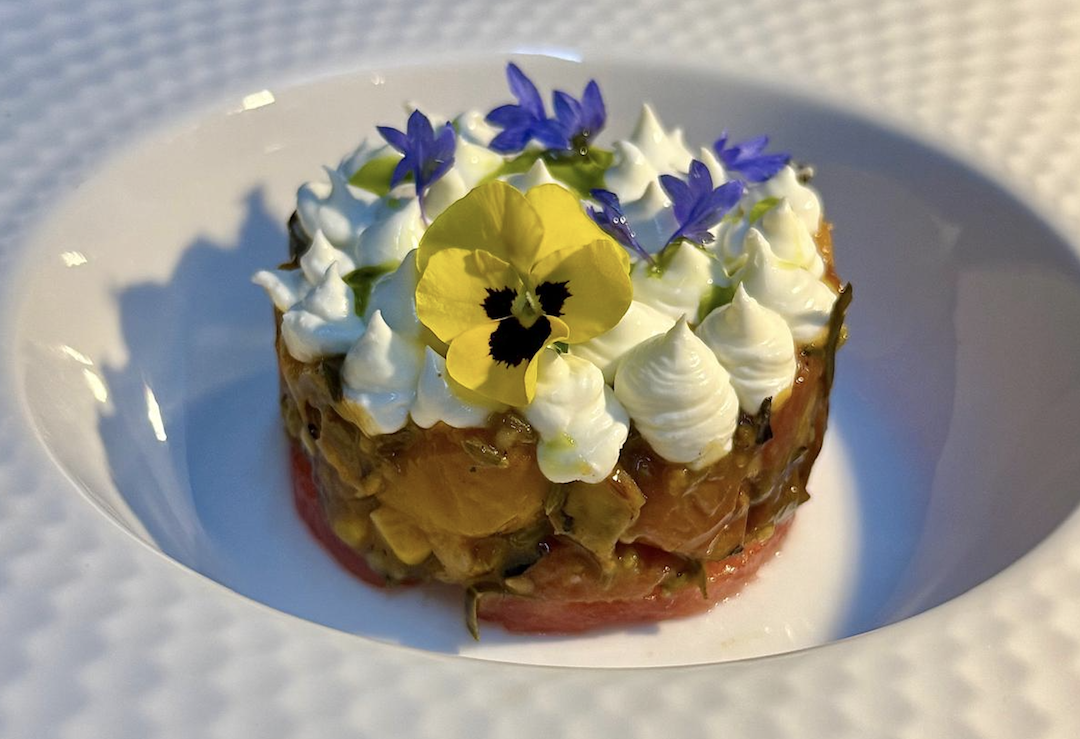
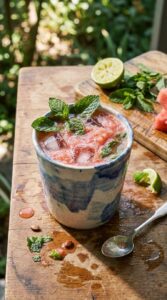
From the “Opening Notes” section, we started with the Spiced Heirloom Tomato Chaat. Growing up, chaat was never one fixed dish—it was whatever the roadside vendor felt like building that day, so long as tangy, spicy, sweet and crunchy all showed up together. This version unconventionally used a base of crushed watermelon, three kinds of heirloom tomato, feta crema, edible flowers, and a chilled rasam poured tableside that crept in with heat once you weren’t looking. It was unusual and amusing, yet still delivered the crunchy, contrasting textures and kick of spice that chaat has built its reputation on.
Next, the Mumbai Crossroads — a Parsi-inspired hot cross bun stuffed with cheese and served alongside bhaji rassa, a Maharashtrian potato curry. An easy favorite for me, pulling apart the warm brioche and dragging it through the rich gravy made it impossible not to think of pav bhaji, a nod to everyone’s favorite Indian comfort food. On overnight train rides across India, no matter the hour, there always seemed to be a man weaving through the aisles selling fresh pav bhaji in hand. This rendition captured that same sense of comfort, yet in a way that felt entirely upscale and novel.
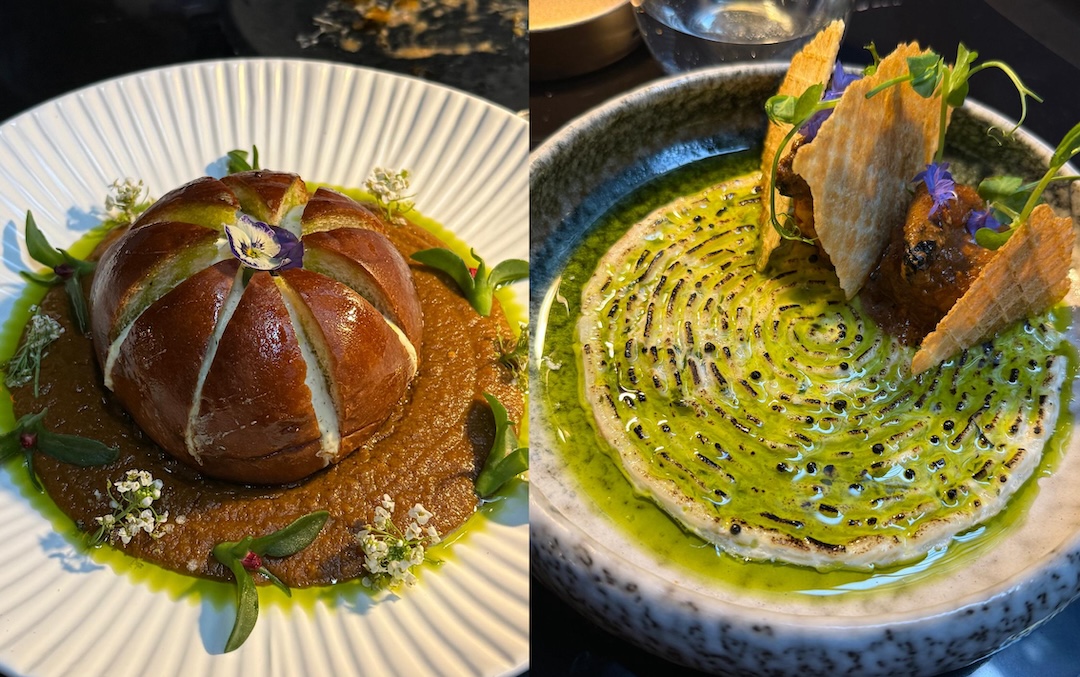
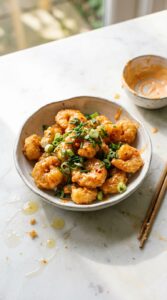
The Prawnstar followed with Prawns Chettinad sitting over curd rice pâté and topped with a crisp dosa waffle. South Indian food doesn’t apologize for heat, and this dish didn’t either. The prawns were simmered in a tamarind-bright, fiery masala of shallots, onions, and tomato that built to a satisfying kick. While the presentation was among my favorites of the night, it was the torched curd rice underneath that stole the show. Growing up, curd rice was something I most often ate at the temple. Seeing it transformed into the centerpiece of a refined dish in a Tribeca dining room, finished with a dosa crisp, felt both nostalgic and completely unexpected.
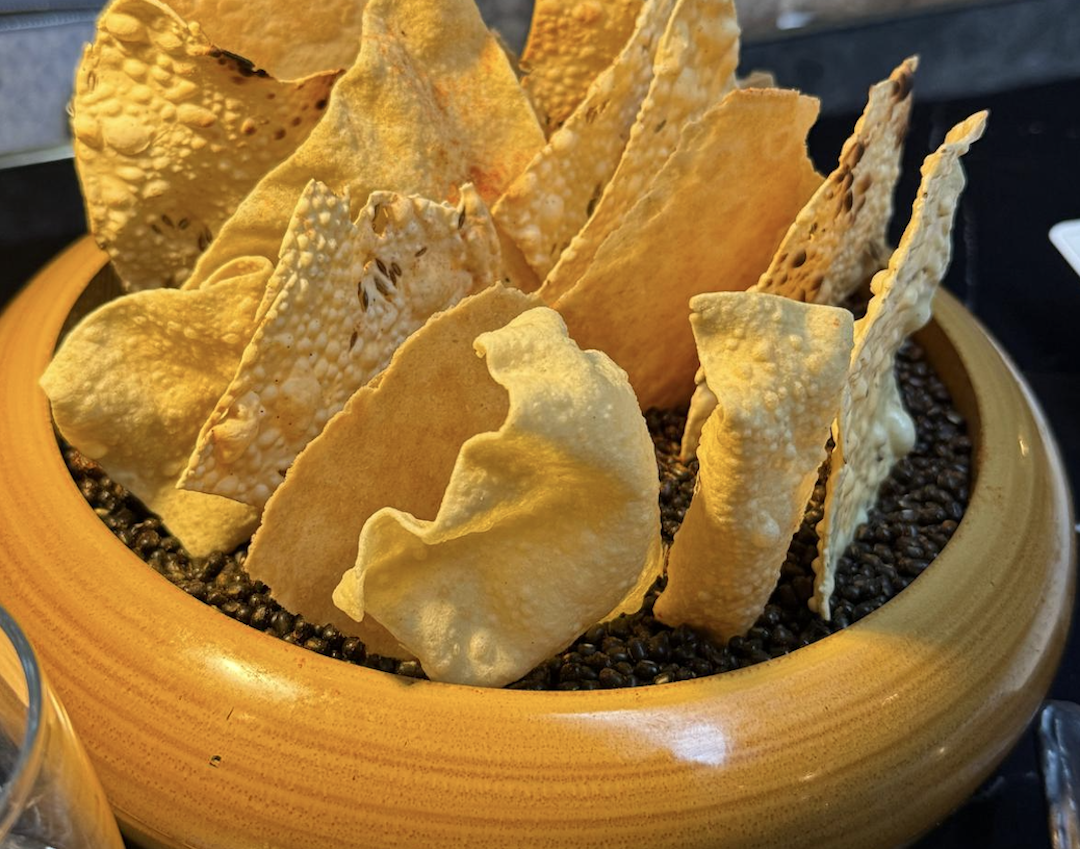
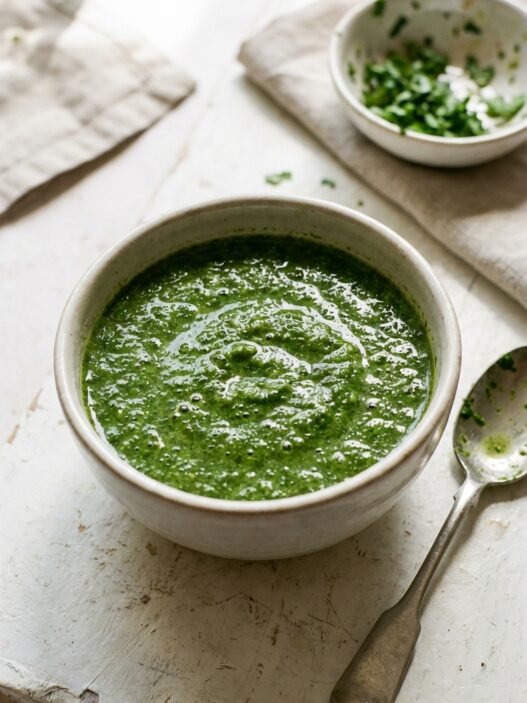
Then came the Crunch Theory, built around the pappadam, which never gets enough credit. Six varieties of crisp pappadum arrived beside four house-made chutneys, one of them a strawberry panch phoran that had no business working as well as it did. Usually relegated to supporting rice and curry, pappadam rarely gets to be the star of the plate. Here, it more than held its own.
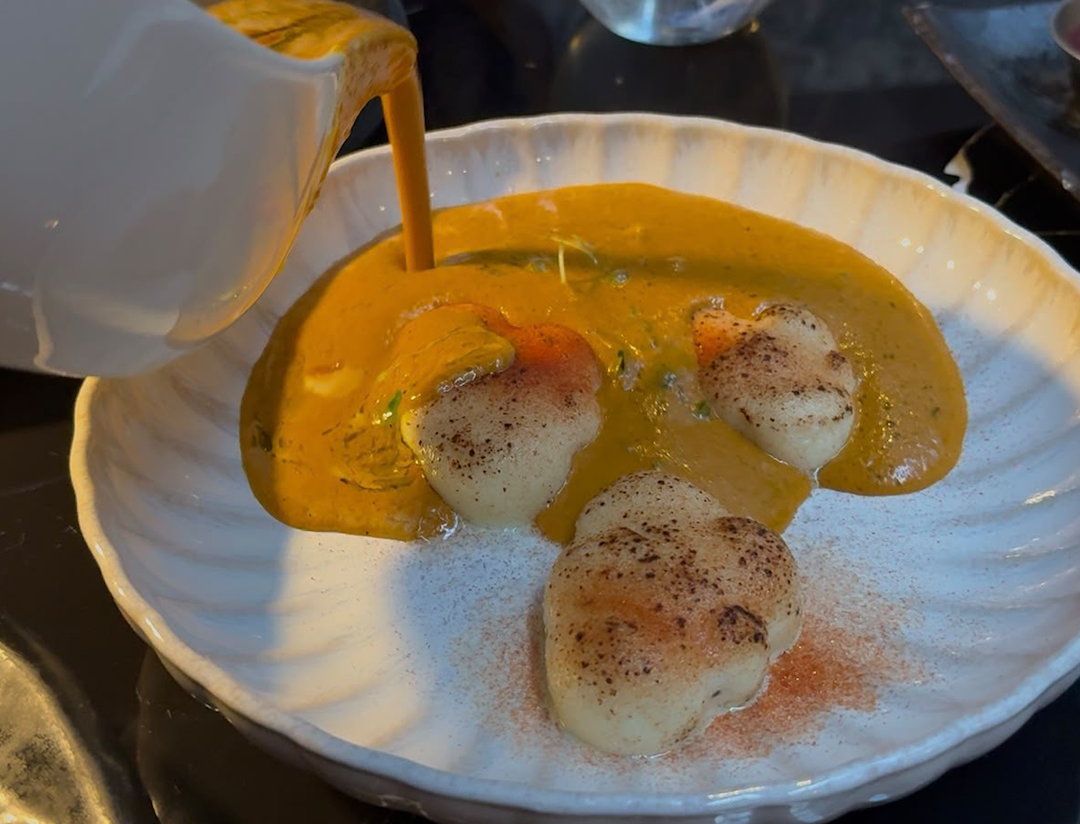
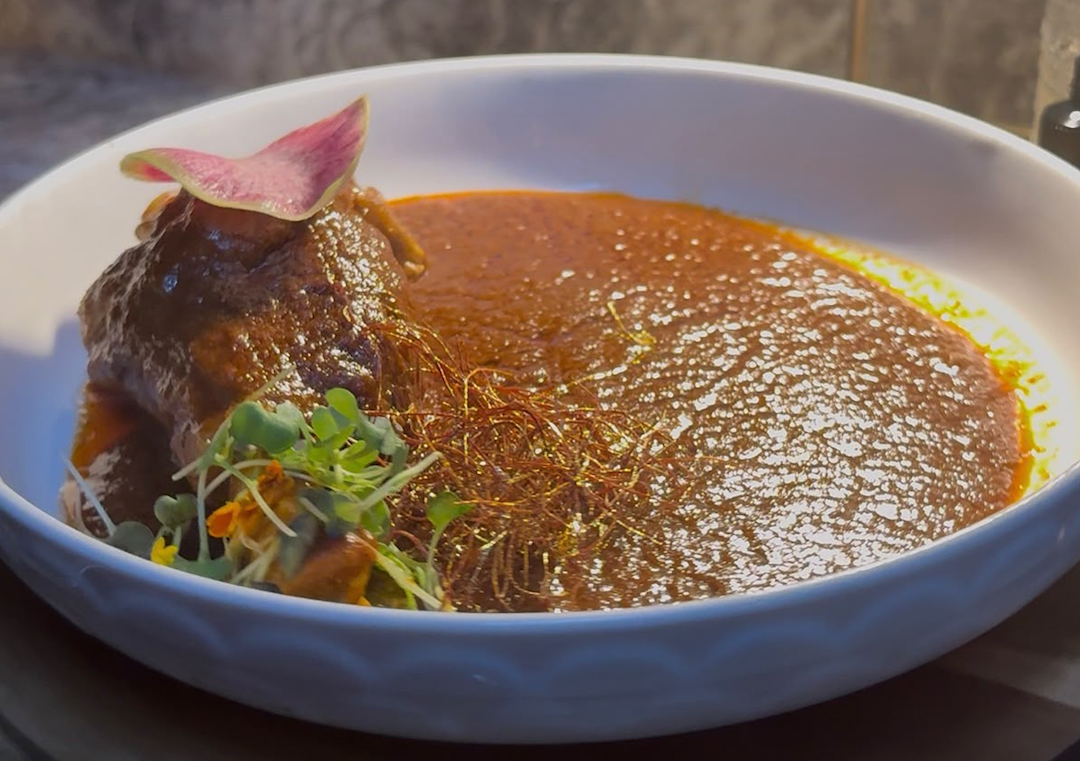
Before the mains landed, we were treated to another palate cleanser: a spiced yogurt lollipop that reset our palates for the next course. Leading the entrées was the Paneer Cloud Lababdar, made with housemade malai paneer so soft and creamy it practically melted into the spiced tomato gravy that was poured tableside. It was followed by the Smoke Lal Maas Shank, which arrived still smoking. The lamb was fall-off-the-bone tender, layered with spice, and finished with Mathaniya chili oil from Rajasthan.
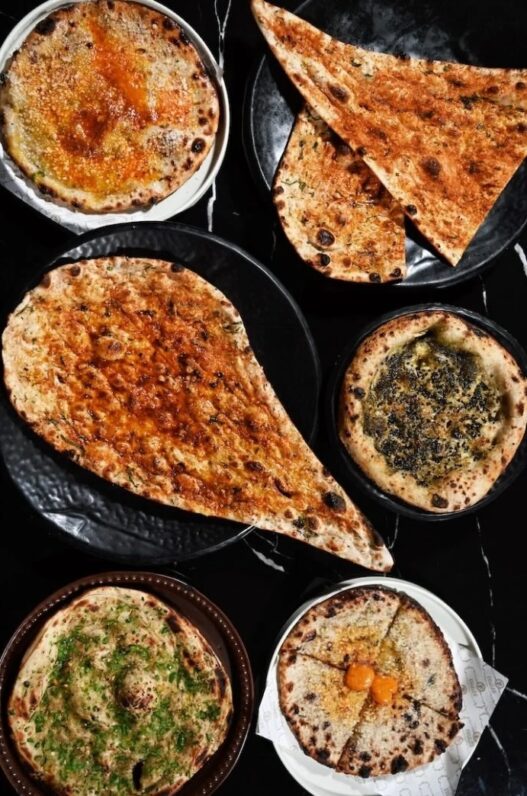
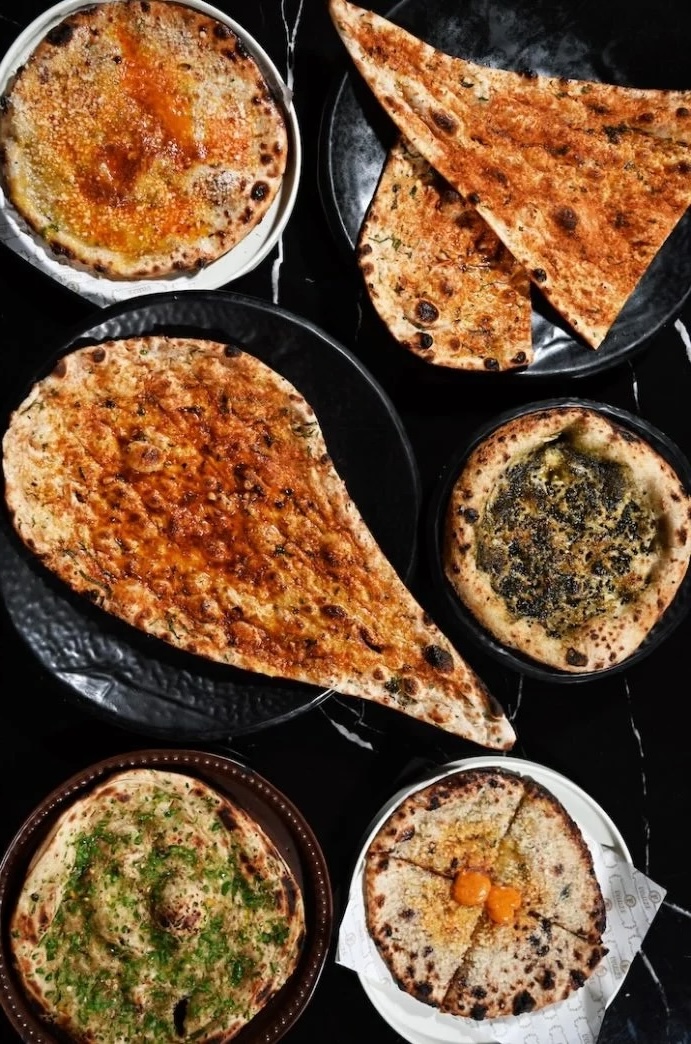
To soak up every last bit of sauce, we ordered two of the restaurant’s naans. The Three Cheese and Olive Kulcha combined cheddar, Monterey Jack, and olives into an indulgent take on the classic, while the Chili Garlic Rosemary Naan arrived sliced diagonally to resemble a New York slice. We couldn’t resist ordering the Jackfruit Palao on the logic that you don’t see jackfruit standing in for rice in Manhattan very often.
I spotted a neighboring table digging into the Whistle Podu Mutton Curry, served in the same old-school pressure cooker my mom has stubbornly refused to replace because, according to her, it’s still the only way to make the dish properly.
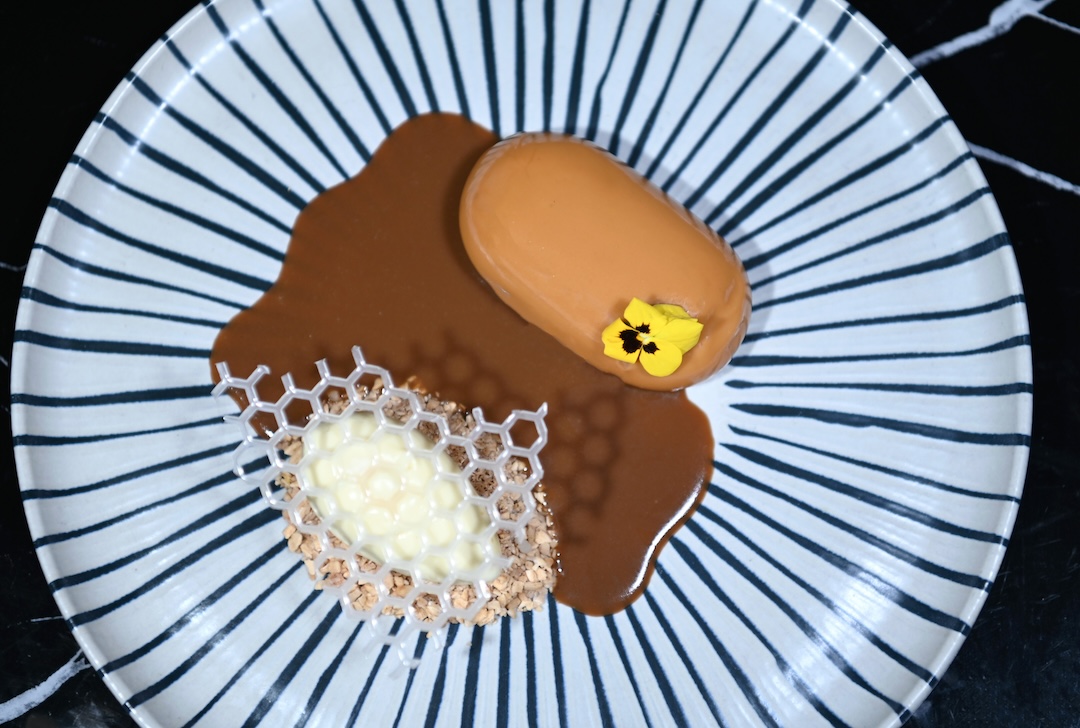
Dessert stayed true to Farzi NYC’s philosophy, familiar flavors that were reworked tastefully for a Manhattan crowd. The Dakshin paired coconut payasam with curry leaf mousse, filter coffee caramel, and a shard of crystal sugar. We couldn’t settle on just one, so we ordered the Sticky Khajoor Fix, a warmly spiced date pudding finished with caramel.
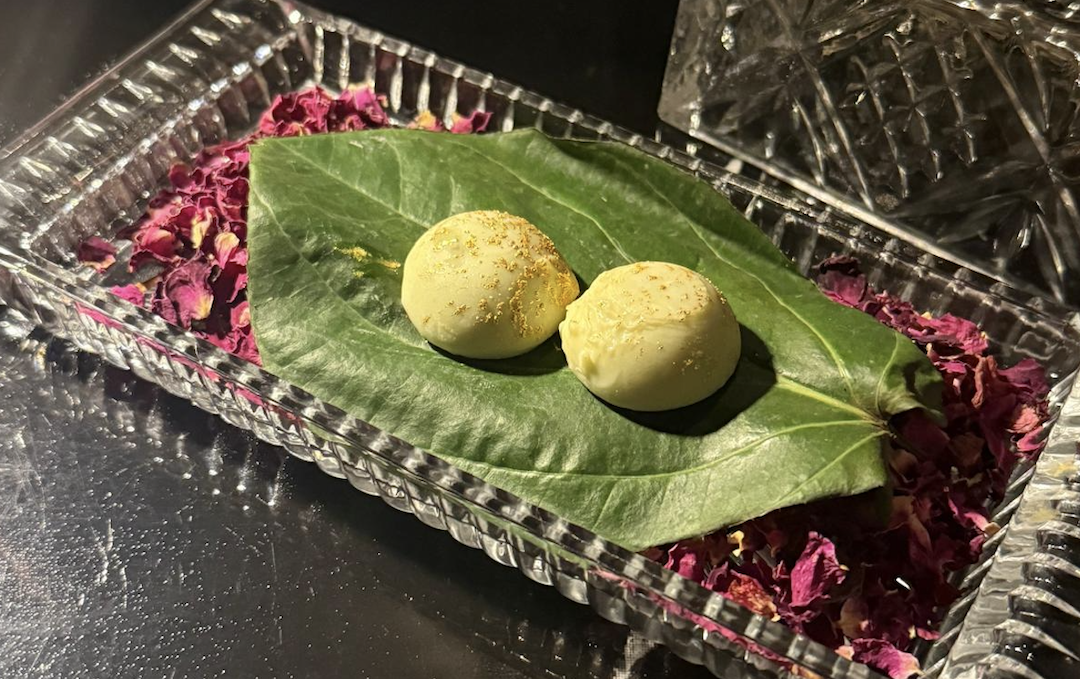
The meal ended the way many South Asian meals do, with paan, also known as beeda. Here, it arrived as a single refined bite, capturing the flavors of betel leaf, fennel seeds, rose petal jam, and desiccated coconut in a thoroughly modern presentation.
The Drinks
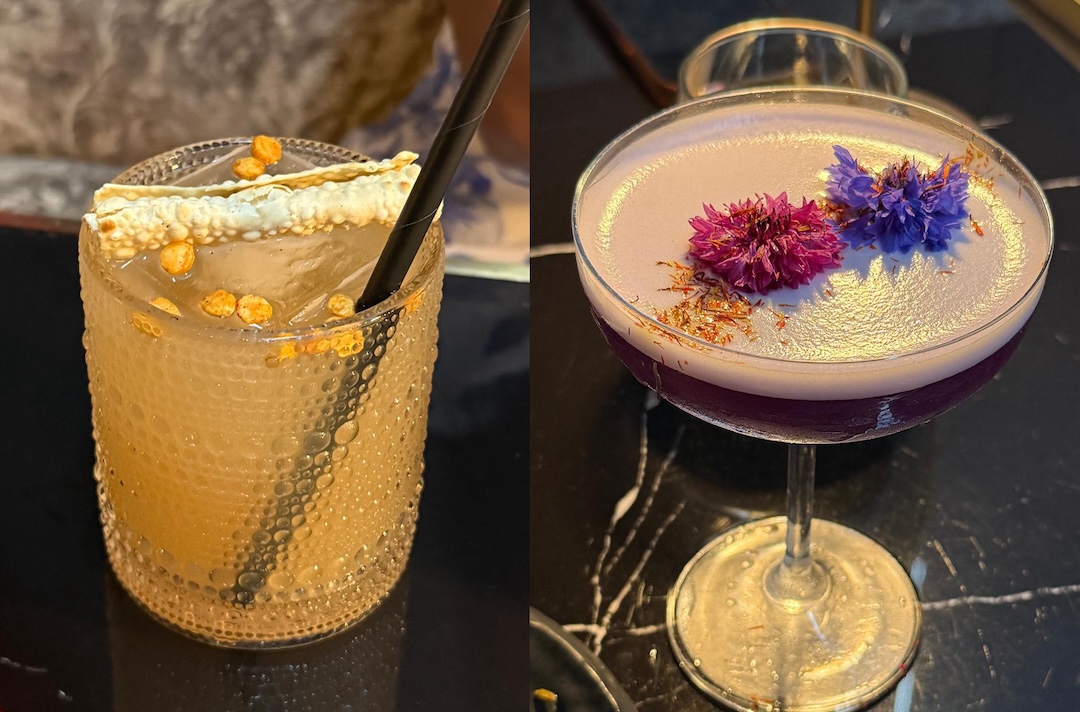
The cocktail program is every bit as experimental as the kitchen. Drinks incorporate unexpected ingredients like activated charcoal and betel leaf-infused gin, while the Old Fashioned is fat-washed with ghee, giving it a rounder, almost savory depth you don’t expect from the first sip. If you’re unsure what to order, simply tell the bartender what flavors you enjoy and what you’re eating, and they’ll happily create something tailored to your meal.
I already know my second visit to Farzi NYC won’t look anything like this one. With a menu built around curiosity and constant reinvention, there’s every reason to believe the next meal will be just as memorable as the first.
Farzi NYC
Website
78 Leonard St, New York, NY
Hours:
Tue -Thurs & Sun 5pm – 10pm
Fri – Sat 5pm – 11pm
While I’d love to try everything you’ve so beautifully described, the Mumbai Crossroads, is on the top of the list. ?