When most travelers think of Türkiye, their minds might drift to Cappadocia’s hot air balloons, the grandeur of the Hagia Sophia, or maybe the turquoise shores of the Riviera. Rarely do they picture rolling tea plantations draped across misty mountains, with impossibly green slopes as far as the eye can see. For scenery like that, you might think of Kerala, India, or Sapa, Vietnam. But considering Türkiye has the highest per-capita tea consumption in the world, perhaps it’s time for a little rebranding.
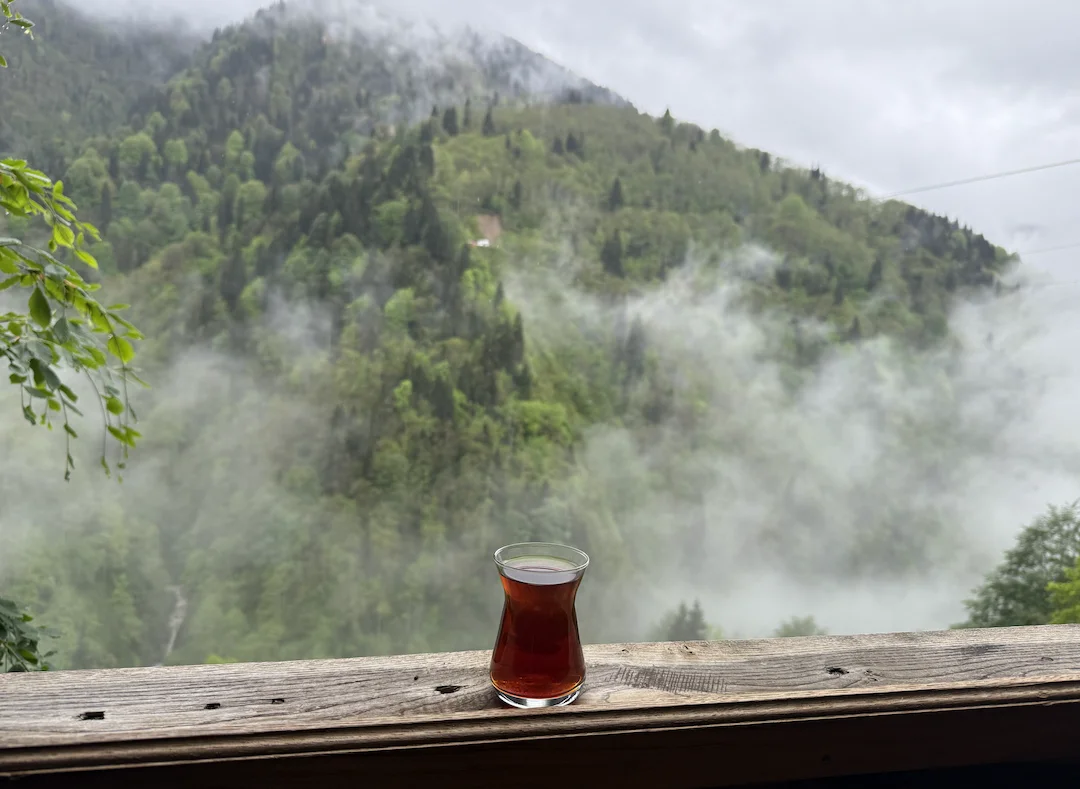
I spent a few days making my way through Rize, Trabzon, and a handful of villages along Türkiye’s Eastern Black Sea coast, a region that feels about a decade away from finding itself on the international tourist circuit. Turkish travelers have long been familiar with its charms, but for many North Americans and Europeans, this remains a relatively unexplored corner of the country, with some uniquely local eats.
We landed at Rize-Artvin Airport, just a two-hour flight from Istanbul. And while the region might feel off the beaten path, three million passengers pass through the airport each year. If there were any confusion about what this part of Türkiye is known for, the enormous rotating tulip-shaped tea glass emblazoned with the Turkish flag, along with the tea leaf-shaped airport entrance, should offer a pretty big clue.
But tea is only the beginning. Here, the mountains, rivers, rainfall, and proximity to the Black Sea aren’t just a scenic backdrop; they’re central to the cuisine. So rather than separate the sightseeing from the eating, here’s my guide to exploring the Eastern Black Sea coast, one scenic stop and one very good meal at a time.
Where Is Rize, Türkiye?
Known as the heart of Türkiye’s tea production, Rize sits along the country’s northeastern Black Sea coast, a world away from the sun-drenched beaches and arid valleys more commonly associated with Türkiye. Home to roughly 350,000 people, the province is among the country’s greenest, thanks to a famously wet climate that blankets its hillsides in tea plantations, dense forests, and lush vegetation.
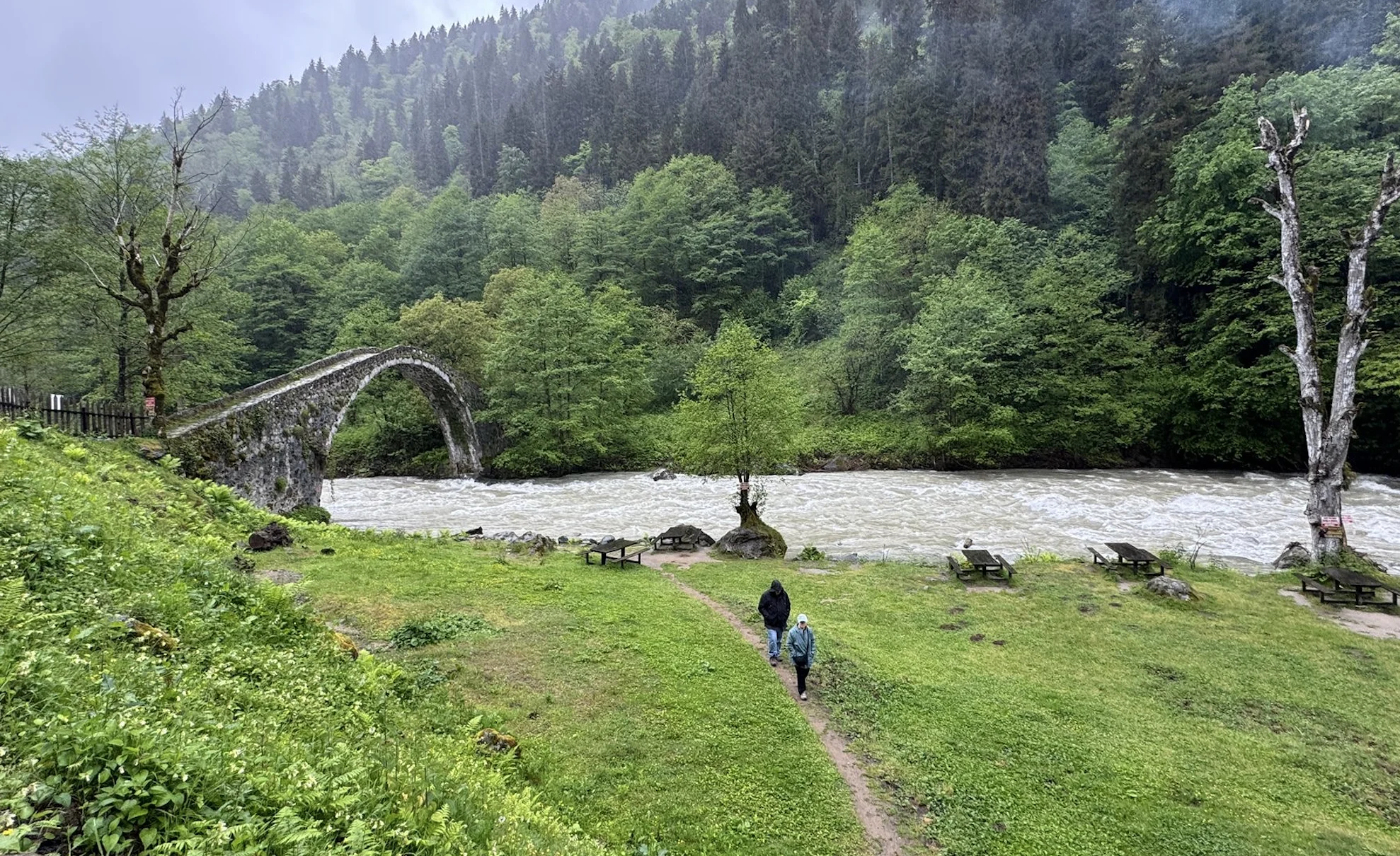
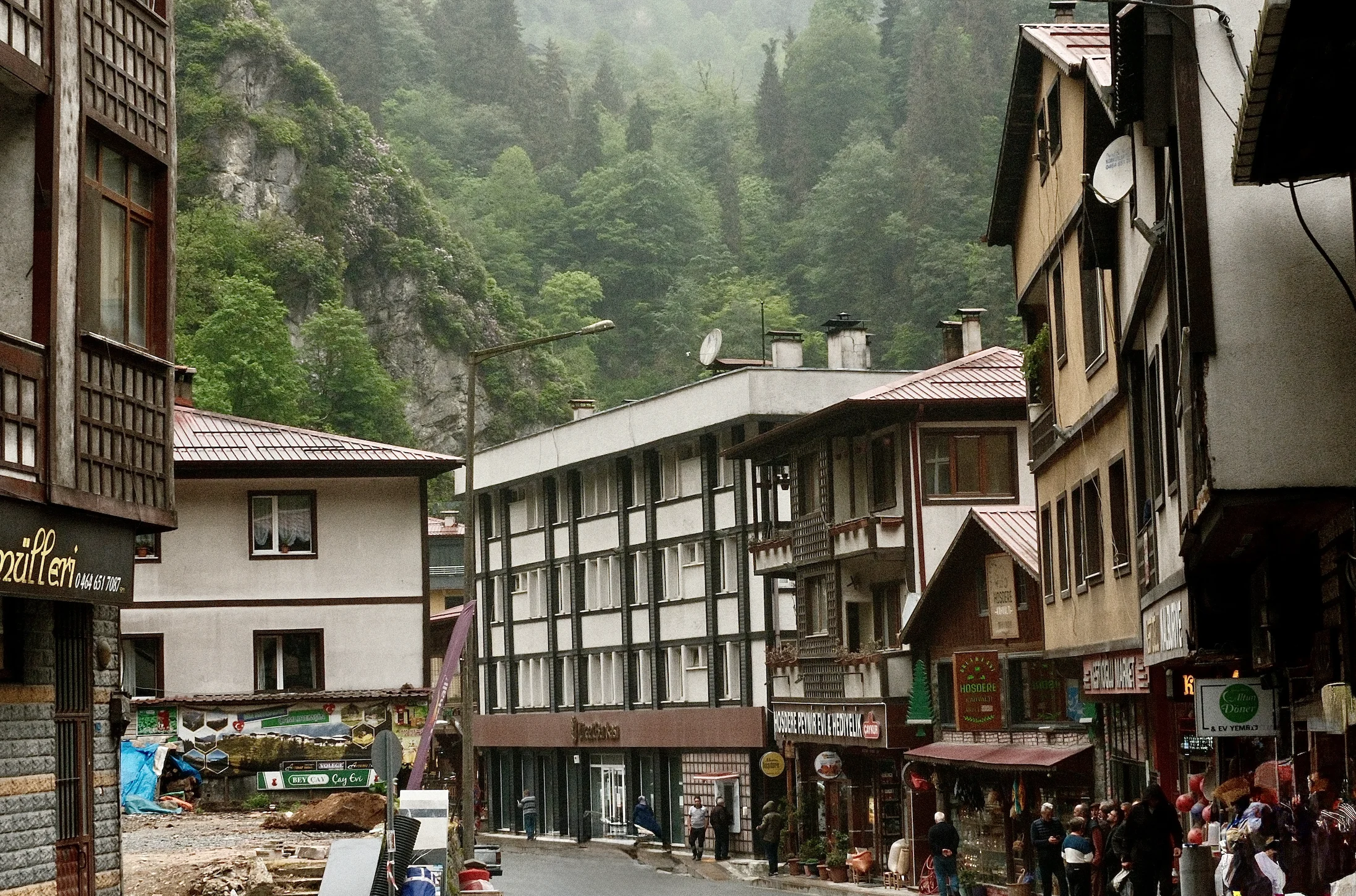
Most towns we passed through followed a similar pattern: a narrow strip of development hugging the coastline, with mountains rising almost immediately behind it. In Rize’s city center, parts of the waterfront have even been built on reclaimed land, a testament to just how little flat ground there is to work with. Head inland, and the scenery gives way to winding mountain roads, centuries-old stone bridges, rushing rivers, and villages tucked into every available hillside.
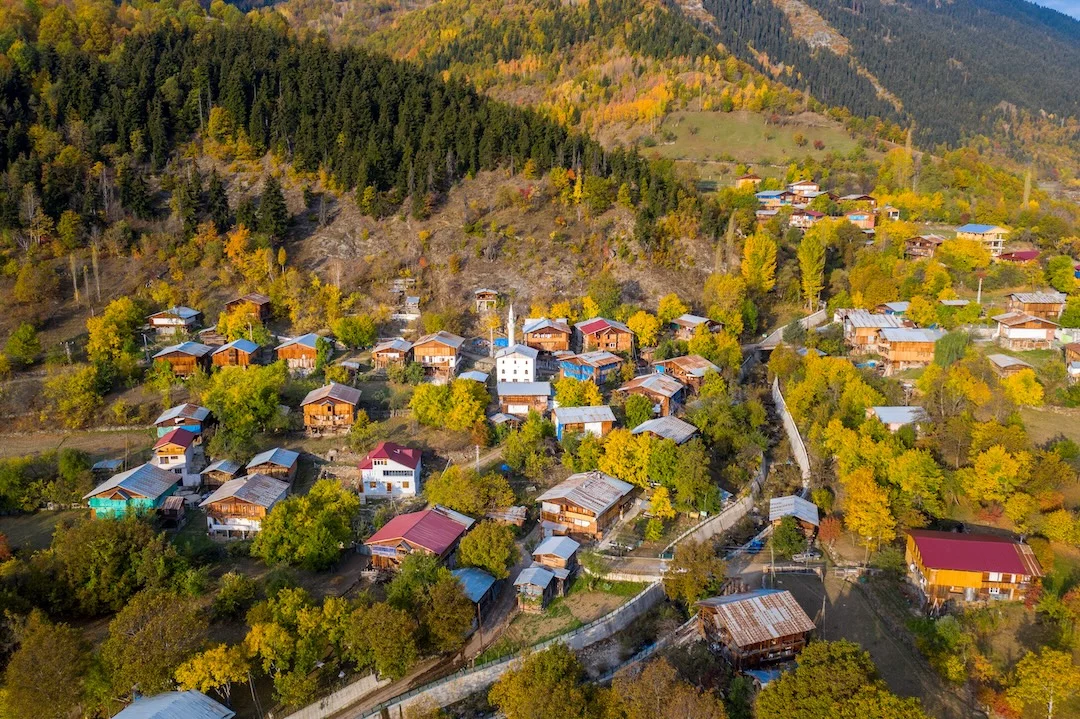
It’s a region made for road trips, where the journey between stops is often as memorable as the destination itself. And the same geography that makes the landscape so striking has also shaped what people grow, catch, and cook, from tea and corn to dairy and fresh fish. Here, the landscape doesn’t just provide the views; it practically writes the menu.
A Village Stay & A Turkish Breakfast
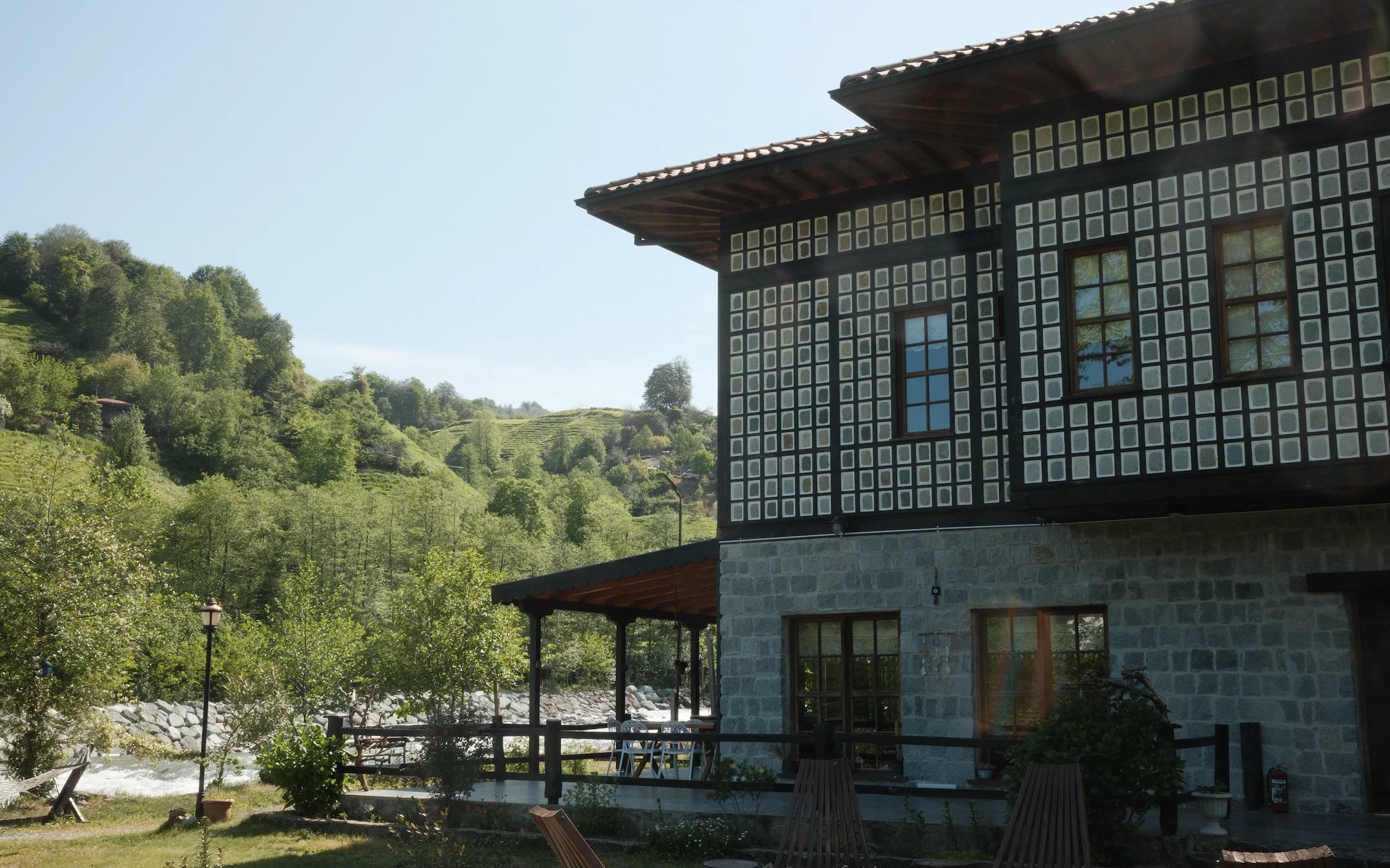
For this New Yorker, any excuse to sleep surrounded by nature is a welcome one. Our base in Rize was Vice’s Konagi, a family-run boutique guesthouse that opened in 2022 and feels more like staying with your aunt and uncle than checking into a hotel. Family-run accommodations are common throughout the region, and in my opinion, they’re one of the best ways to experience it.
The property sits in the Çaglayan Village, whose name fittingly translates to “rolling stream.” True to its name, the flow of Çaglayan Creek becomes the soundtrack to your stay, lulling you to sleep each night. The surrounding hills are dotted with centuries-old mansions, some dating back more than 300 years, sitting quietly in the hills as if the modern world we’re used to forgot to arrive.
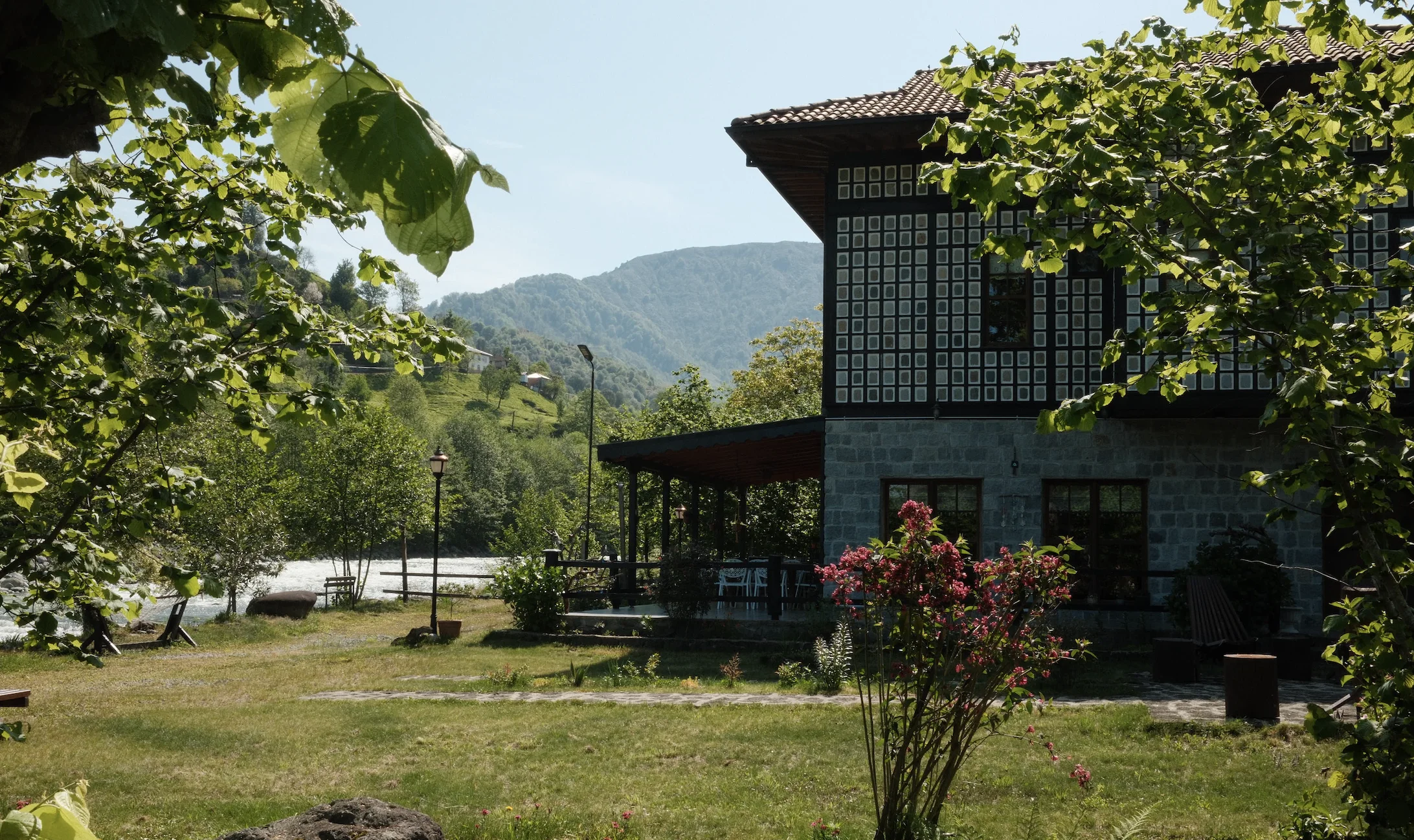
Husband-and-wife duo Hasan and Emine Sevketbeyoglu built and operate Vice’s themselves, and every corner feels like a labor of love. Even with only a handful of shared English words between us, their warmth needed little translation. We were greeted at the door like relatives returning after a long absence, and that hospitality carried through to every meal they prepared.
Each evening, we’d return from a day of exploring to the comforting smell of a wood-burning fire, the sort you’d expect from a cottage straight out of a fairytale. With just eight individually designed rooms, the guesthouse is intimate and cozy, offering everything you need for a restful stay.
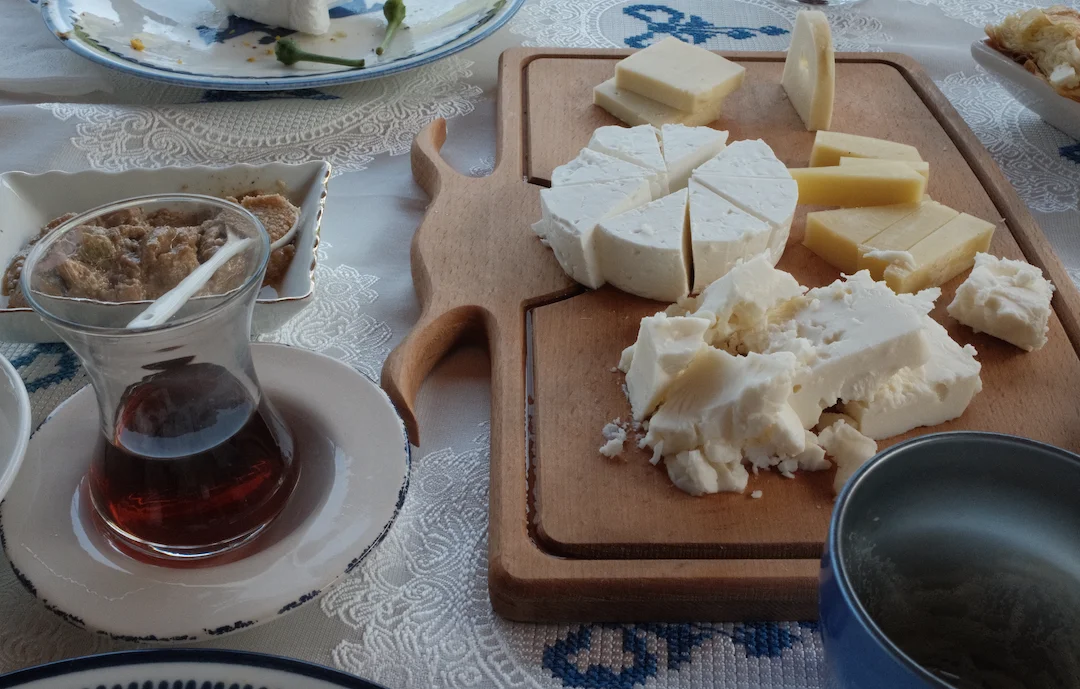
But perhaps the best reason to stay here is the food. Turkish breakfast is an elaborate affair, served indoors or overlooking the creek. Every inch of the table fills with cheeses, breads, eggs, potatoes, vegetables, endless tea, and homemade jams. One morning brought wild strawberry jam made from backyard pickings; the next, kiwi. Even our local guide remarked that the breakfast was so authentic he’d bring his own family here. And just like that, between the sound of the creek and the generosity of our hosts, it was a fitting introduction to Rize.
Mençuna Waterfall & White Tea in Artvin
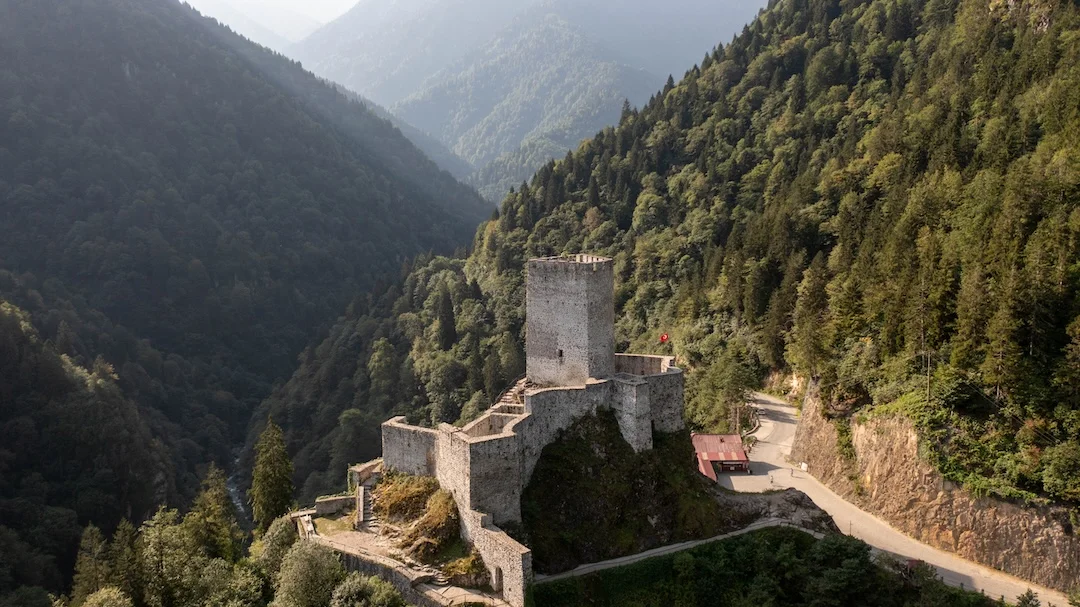
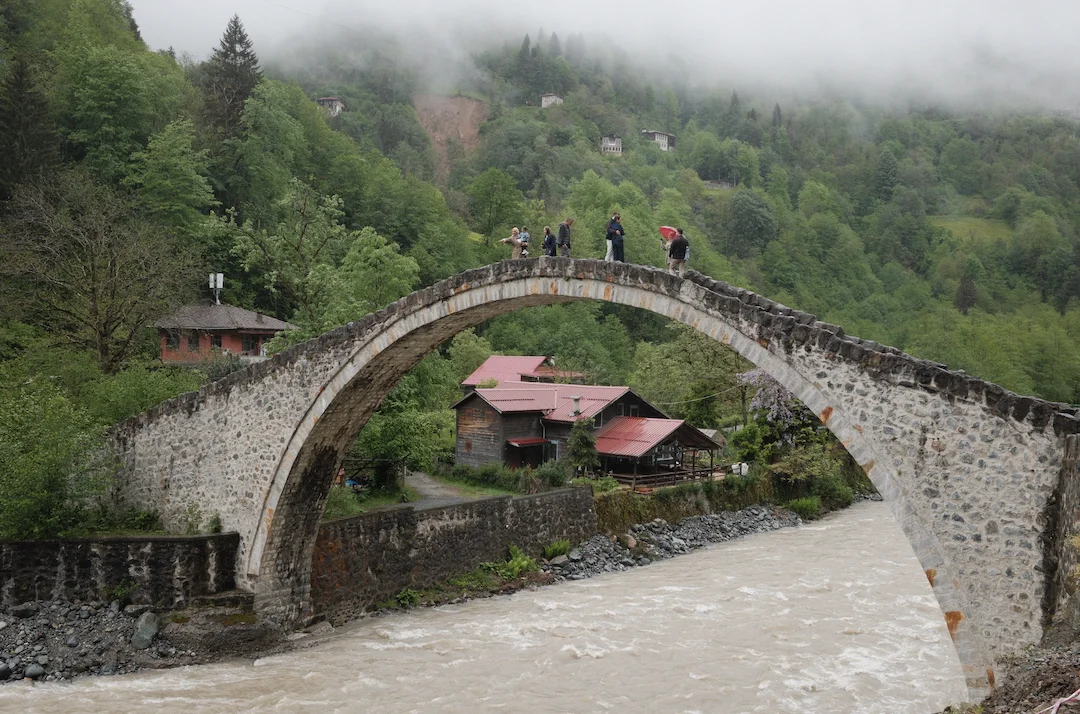
Our first excursion took us into neighboring Artvin province to visit Mençuna Waterfall, one of the area’s natural wonders. Along the way, we passed the historic Çifte Köprüler, or Double Bridges, a pair of 18th-century Ottoman stone bridges that look plucked from a storybook. As we’d soon discover, these picturesque crossings are scattered throughout the region, often appearing around a bend in the road when you least expect them.
About four kilometers into the valley lies Mençuna Waterfall, reached by a relatively easy trek along a forested footpath. Sometimes you trek all the way to a waterfall only to find yourself a little underwhelmed. This is not one of those times. The trail climbs uphill, with a few muddy stretches along the way, but the payoff is well worth it: a dramatic cascade of water plunging 92 meters through the trees, its mist greeting you before the waterfall itself comes into view.
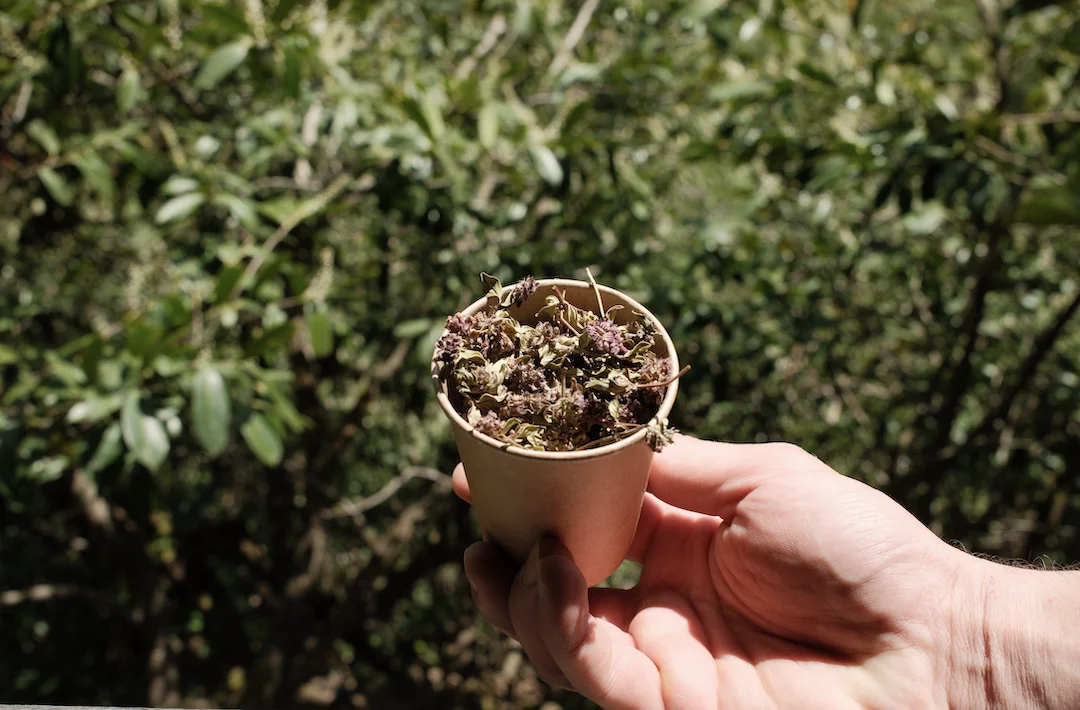
Fittingly, my first cup of tea in the region came once we reached the waterfall. Nearby, we met Soner Gündüz, who operates a makeshift tea hut lined with clear plastic sheeting to keep the wind and mist at bay. From May through November, Soner serves around 50 cups of white tea a day while tending to the surrounding land. There was no elaborate brewing ceremony, just a kettle, hot water, and tea leaves that walked the talk. Delicate and floral, it was perhaps the most memorable cup I’d have on the trip, made all the better by the setting.
Çeçeva Tea Gardens & Simit in Rize
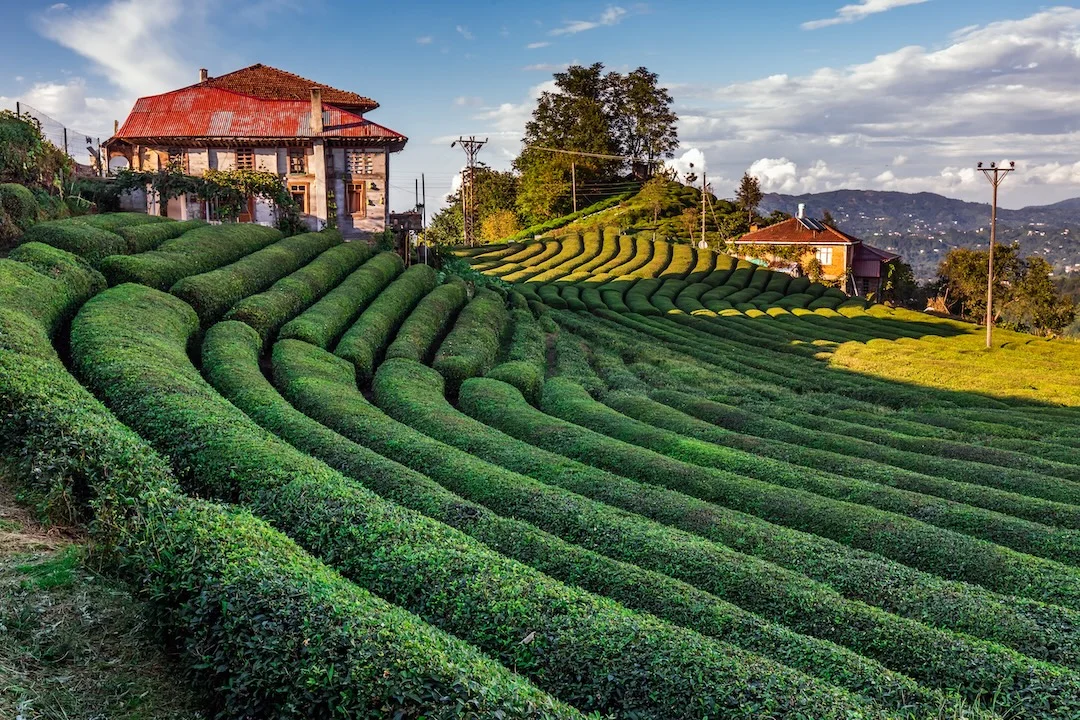
If there’s one landscape that defines Rize, it’s the endless green slopes of its tea plantations. With roughly 70% of Türkiye’s tea produced in the province, the crop is woven into the local economy and everyday life. Naturally, our next stop was Çeçeva Tea Gardens, perched some 400 meters above sea level.
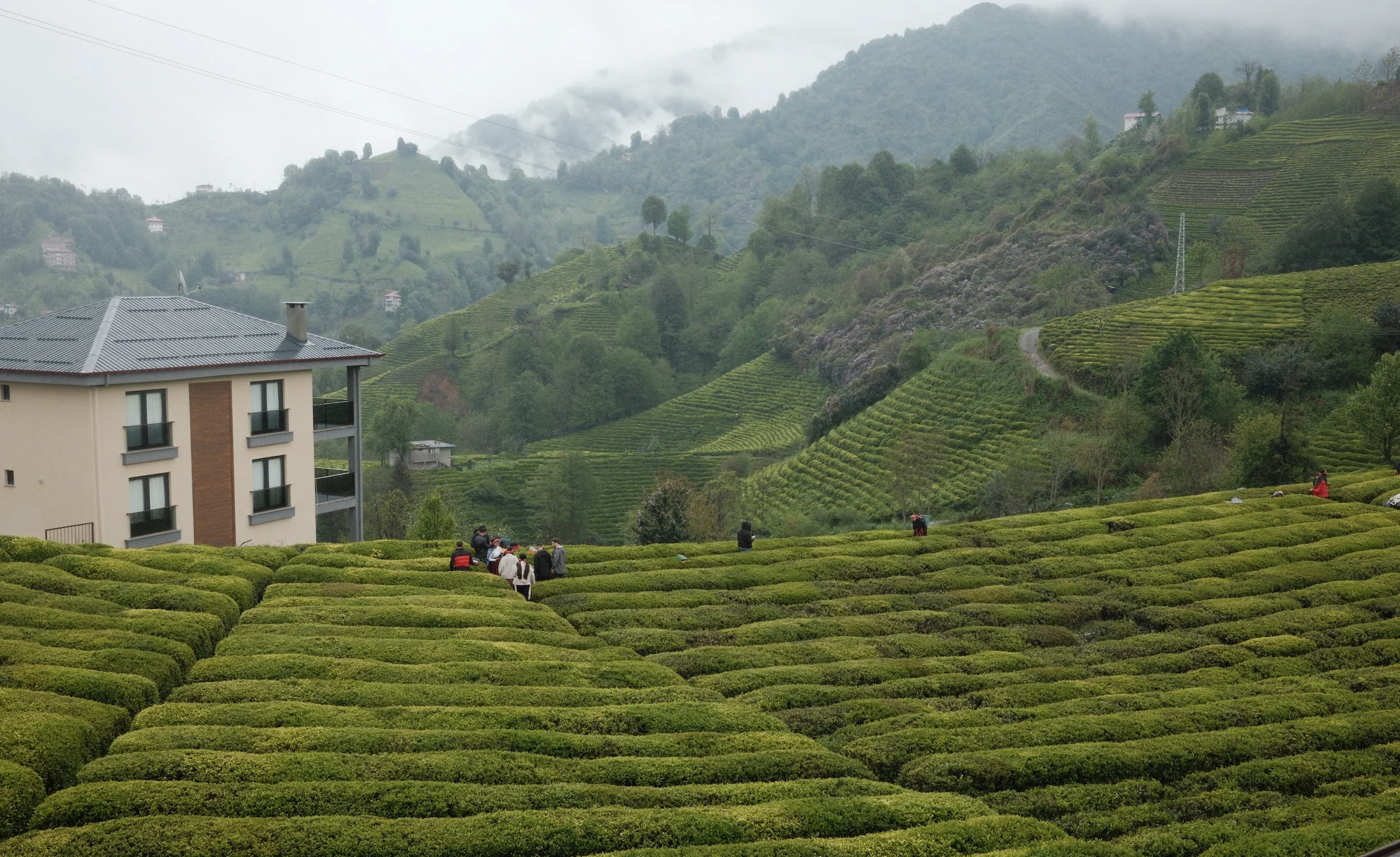
Here, neatly trimmed tea bushes blanket the hillsides in picture-perfect rows. It’s a bit of an Instagram hotspot, with busloads of teenagers arriving for their obligatory photos, but the scenery is still worth the stop. Part of what distinguishes Rize’s tea-growing climate is its snowy winters, an unusual feature compared with many of the world’s better-known tea regions.
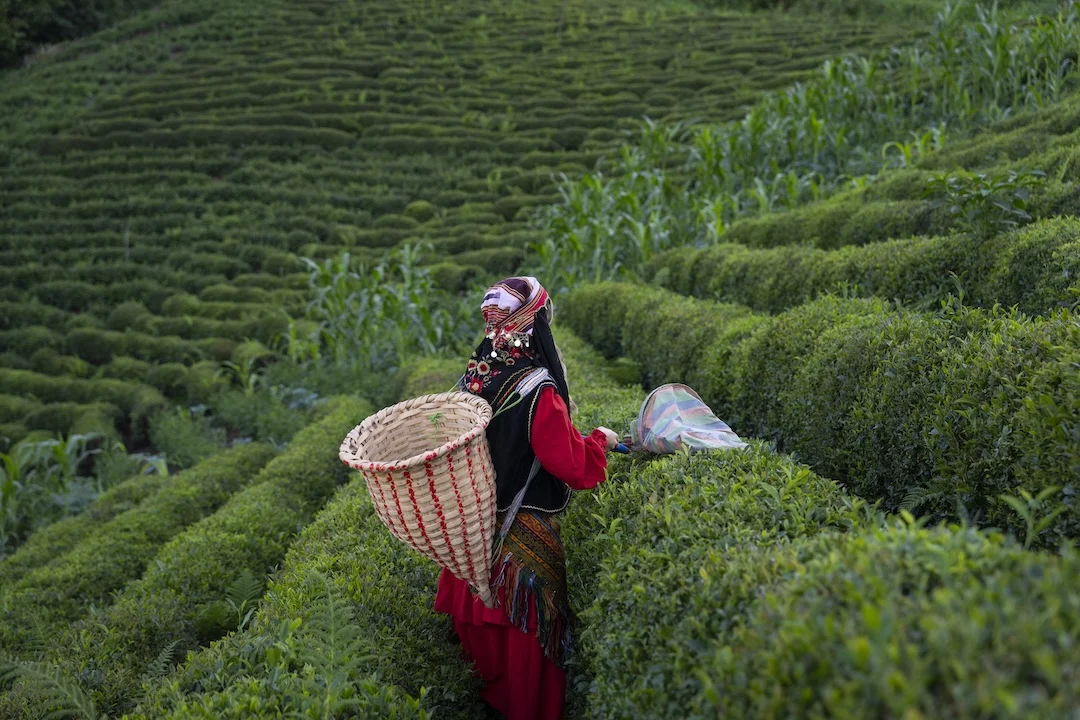
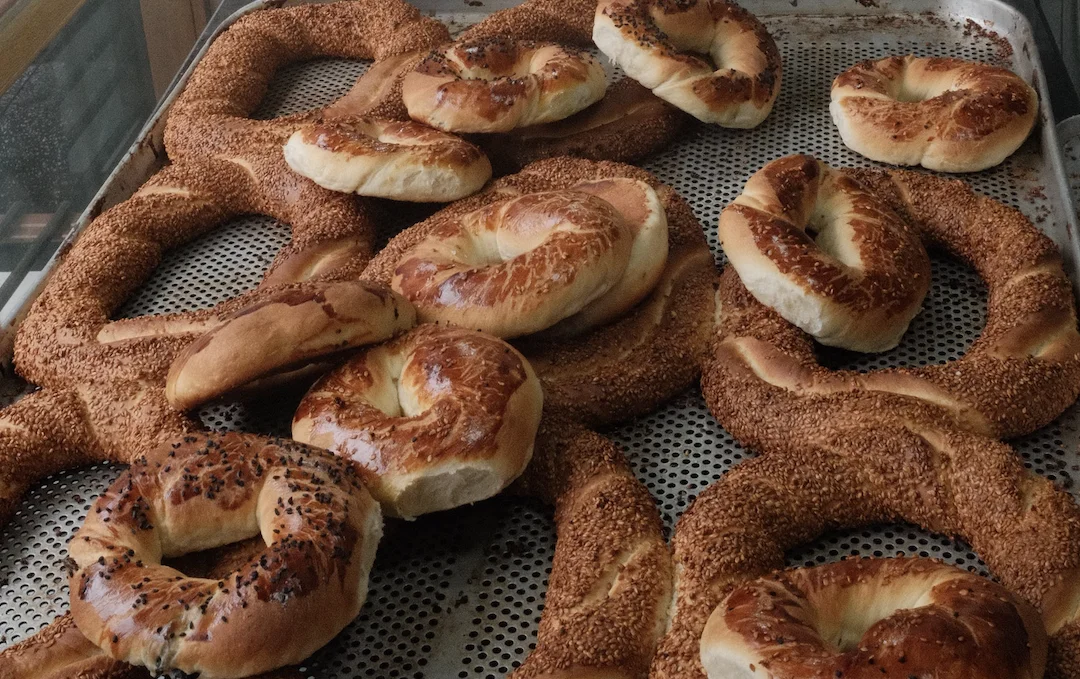
But tea is more than an agricultural product here; it’s a daily ritual. And while Çeçeva shows you where it all begins, a bakery in nearby Pazar offers a glimpse of how it’s enjoyed. Enter simit, Türkiye’s beloved sesame-crusted bread ring and arguably the perfect companion to a glass of tea. We watched as the dough was dipped in a water-and-molasses mixture before baking, helping create its signature golden crust. The queue was a mix of businessmen, artists, and locals going about their day, all waiting for the same thing. After a chilly morning in the hills, there was no better way to round things off than with a freshly baked simit and a tulip-shaped glass of tea, enjoyed curbside like the locals.
Kaçkar Mountains & A Mountain Feast
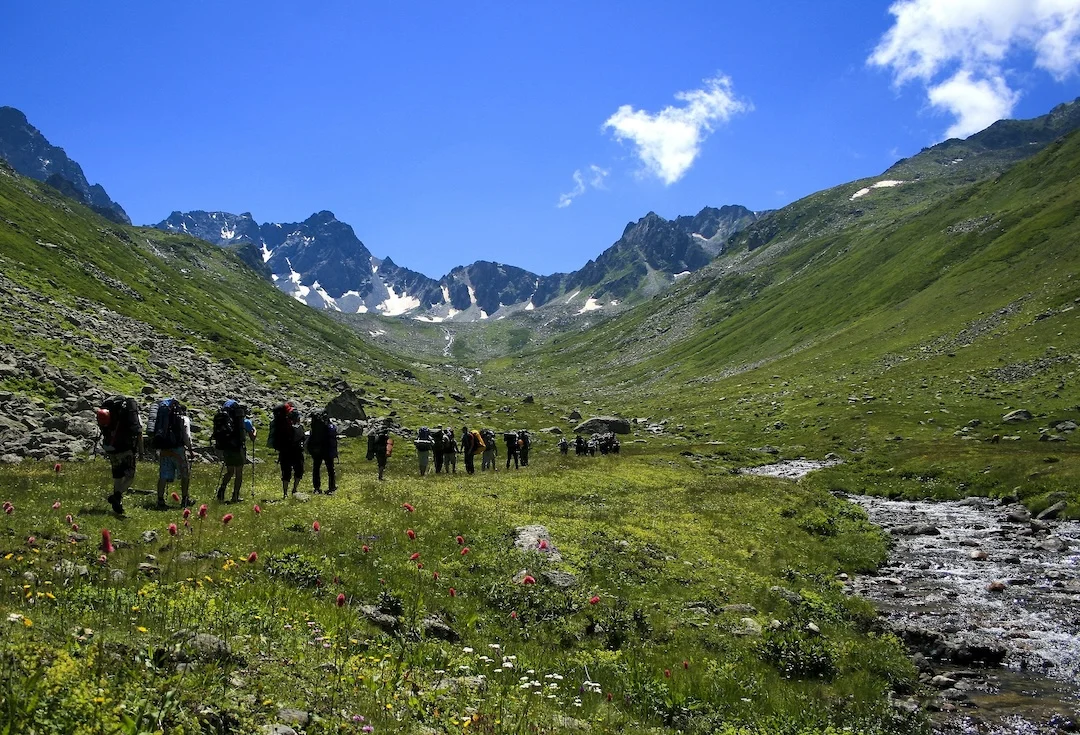
The Kaçkar Mountains rise above a landscape of deep valleys, dense forests, and villages perched on impossible slopes. Getting around these parts isn’t always straightforward, but that’s half the adventure.
One of our more unusual stops involved a cable car suspended high above a valley, connecting a remote mountain settlement to the world below. Before its construction in 2012, reaching the neighborhood meant a two-hour trek along a footpath. Today, the roughly 500-meter journey is considerably quicker, though dangling high above the valley floor certainly adds a little suspense to the commute.
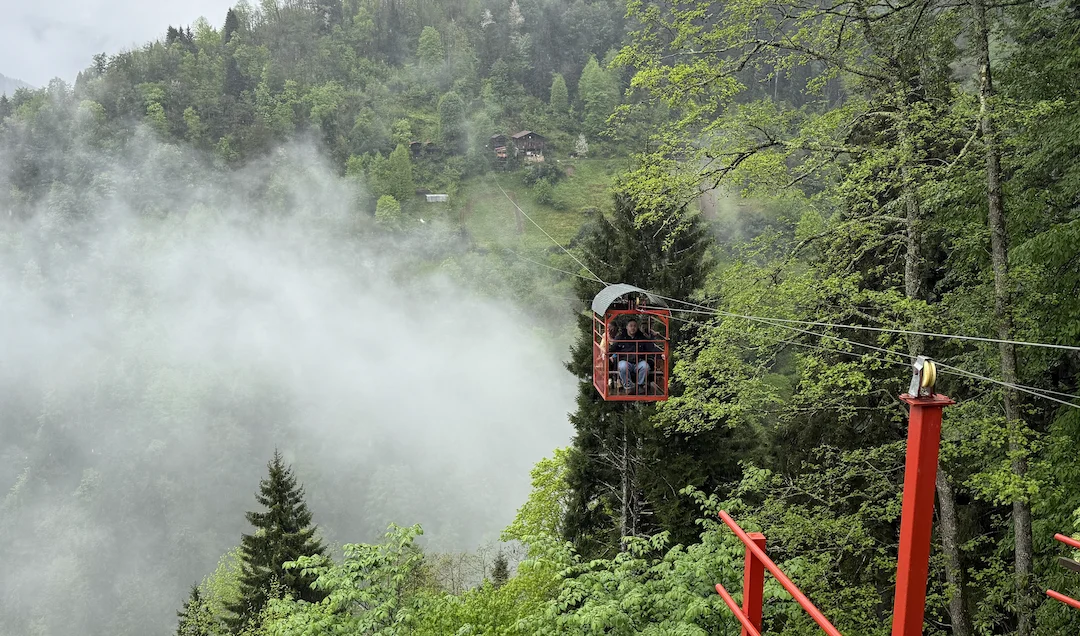
At the other end of the cable car, we discovered a family-run retreat with a handful of bungalows. The family keeps chickens, produces its own honey, and prepares meals for visitors, offering a glimpse into a way of life far removed from the bustle of the cities below.
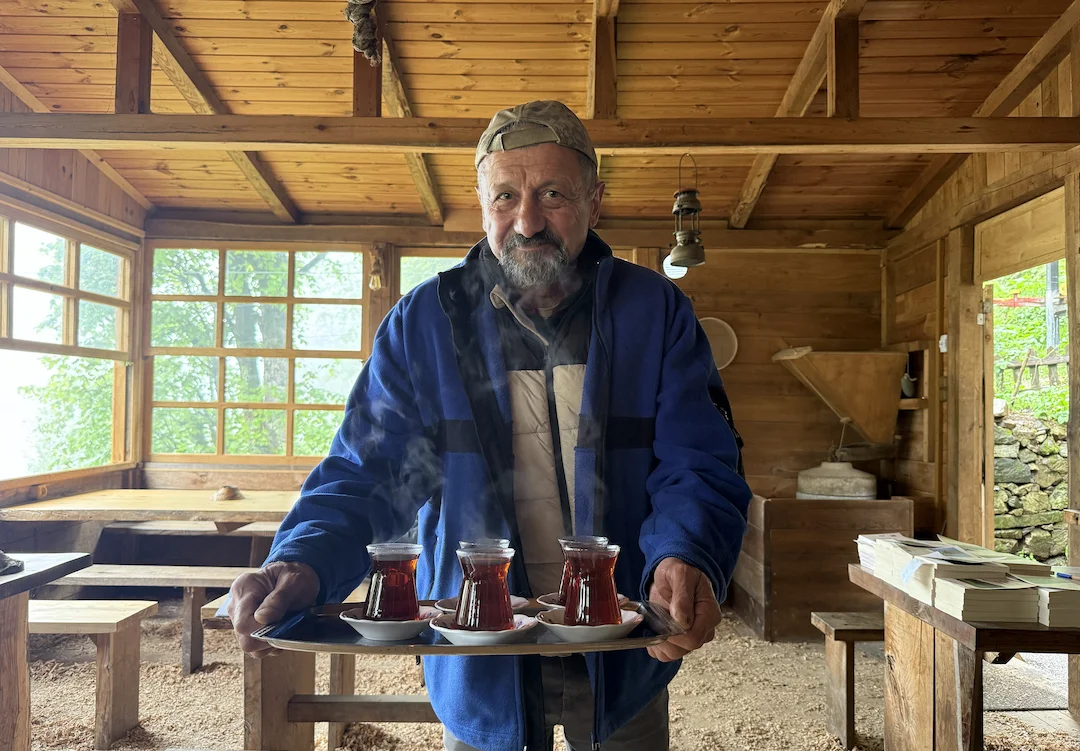
Later, we swung by a cozy restaurant called Cinciva Kahve, where my first sight was two ladies sitting in a corner knitting and snickering away.
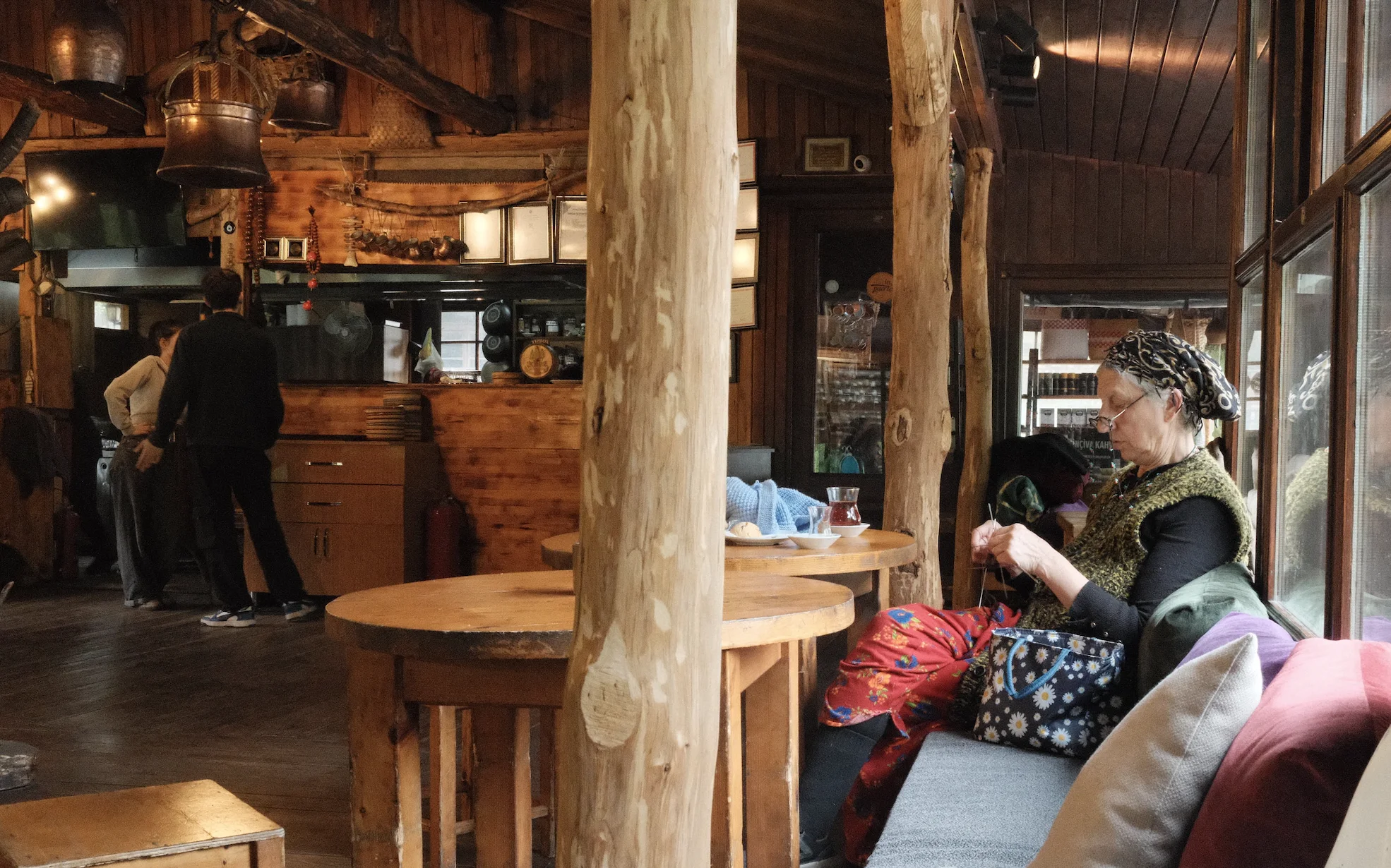
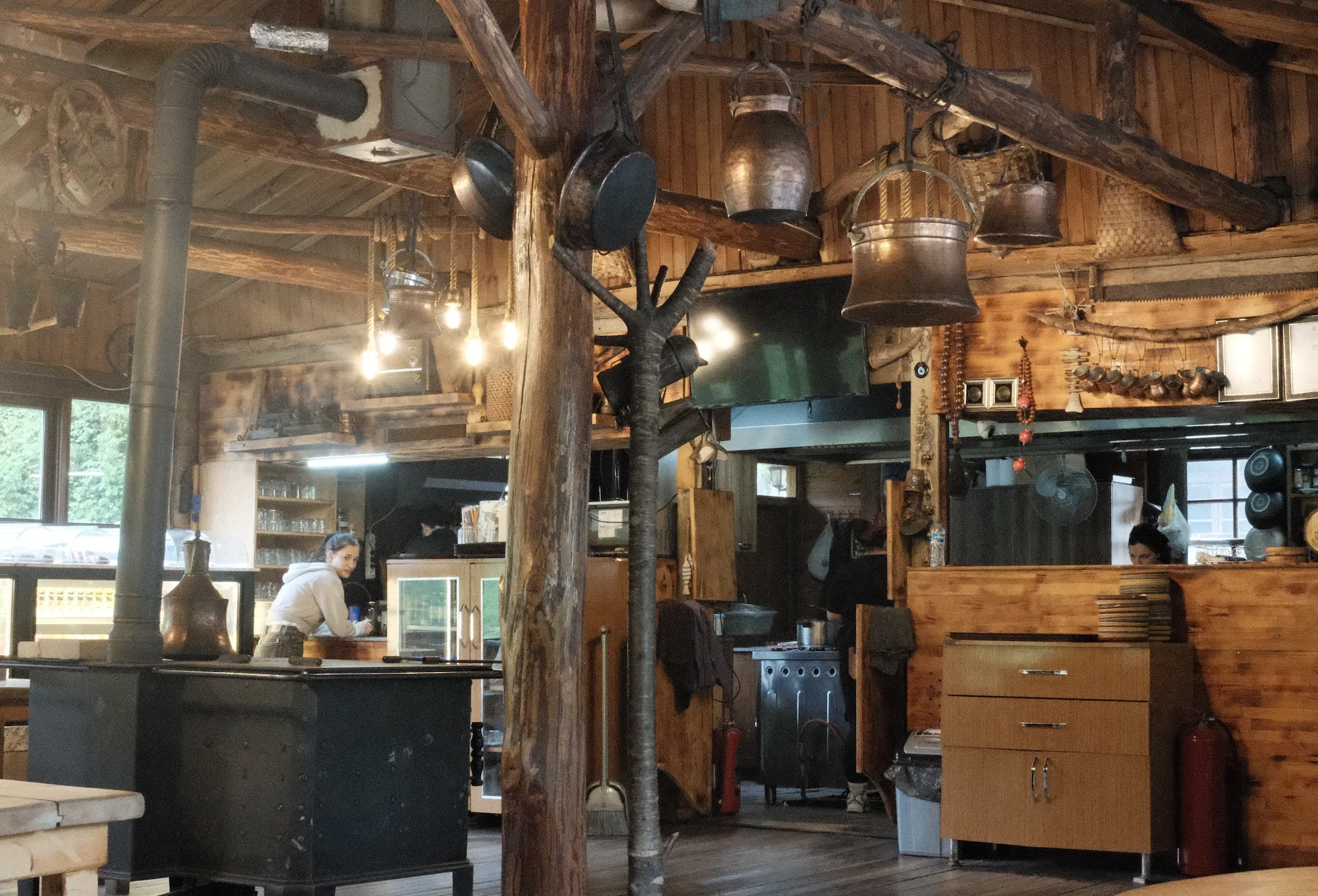
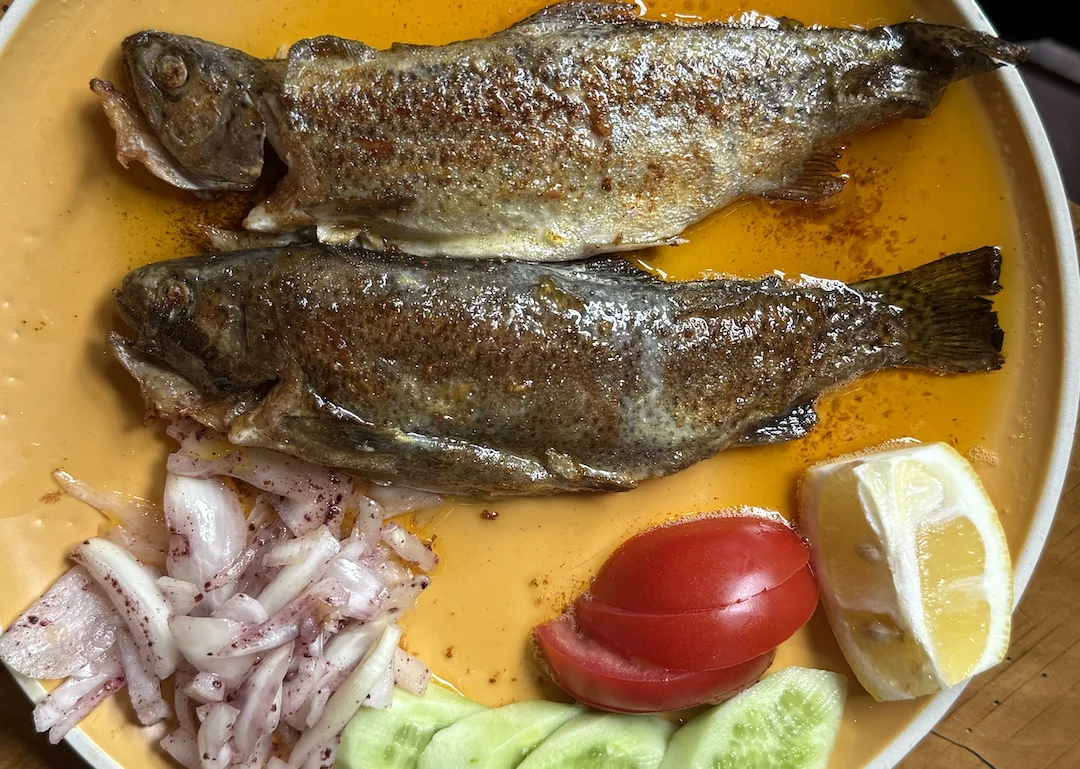
Here, we sampled a regional specialty: brown trout cooked in butter. Then there was the manti, Türkiye’s answer to ravioli, with little parcels of dough served with yogurt that turned out to be among the best we ate on the trip. Simple dishes, perhaps, but exactly what you want after a day in the mountains.
Borçka Black Lake & a Black Sea Feast
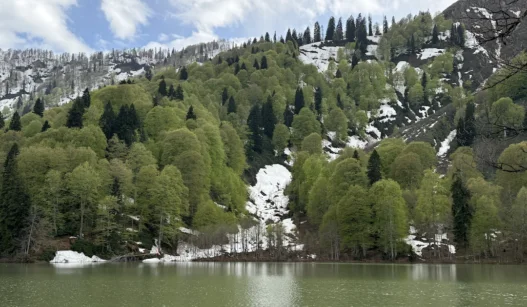
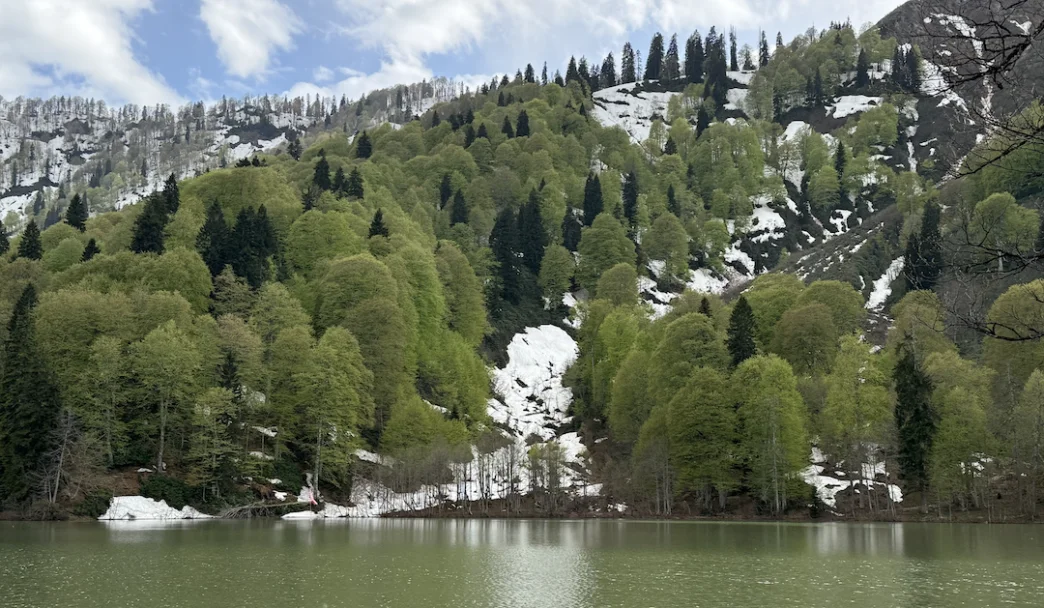
Formed in the early 19th century when a landslide created a natural dam, Borçka Black Lake (Karagöl) sits at an altitude of 1,480 meters, tucked into the mountains of northeastern Türkiye. Though relatively new to the region’s established tourist circuit, there’s already a magnetic sense of life around its shores.
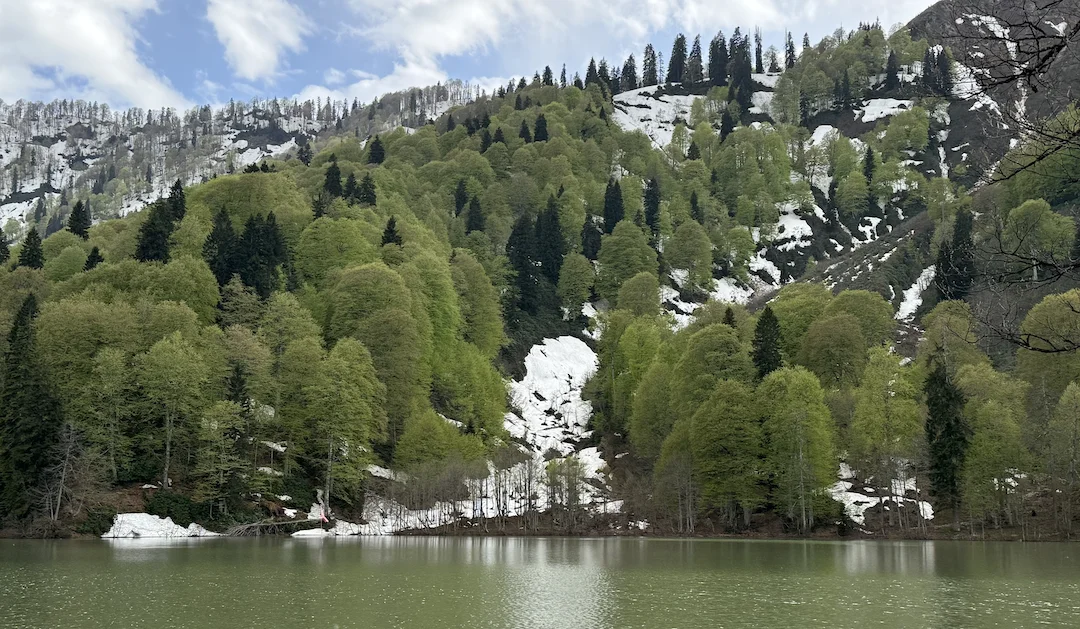
A group of young girls danced together in one corner, mothers chased their children by the water, and uncles occupied the benches, deep in conversation. It’s a scenery that makes you wish you’d packed a watercolor set. During our short visit, the weather seemed to cycle through at least three seasons, a fitting introduction to a region where the weather is as much a character as the mountains themselves.
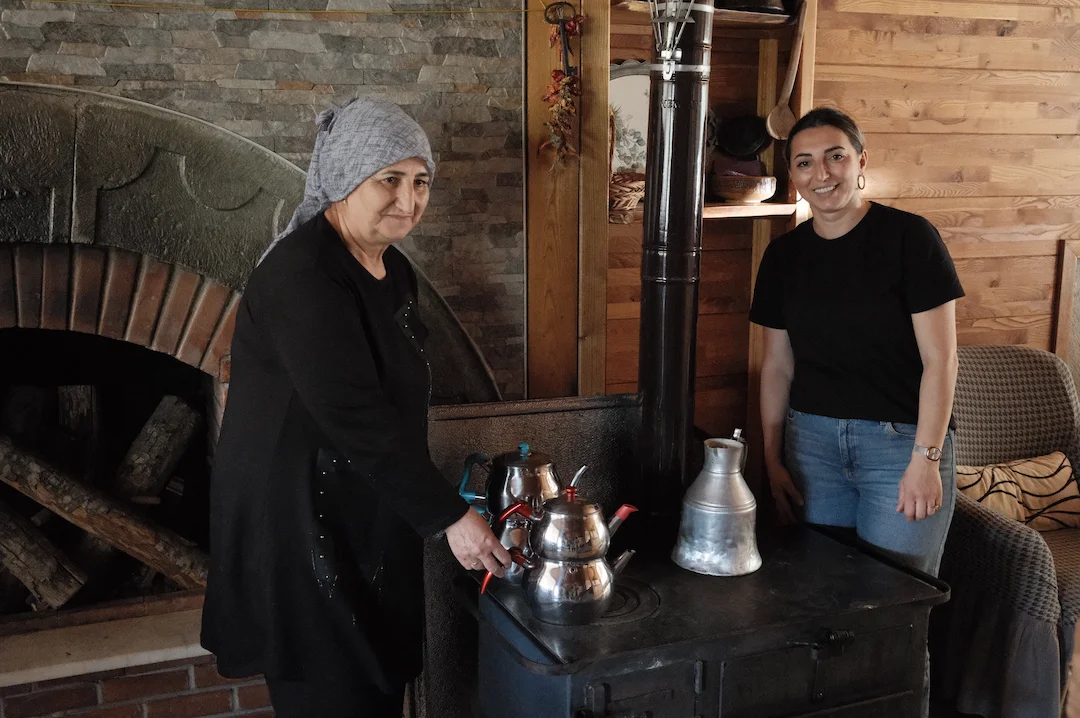
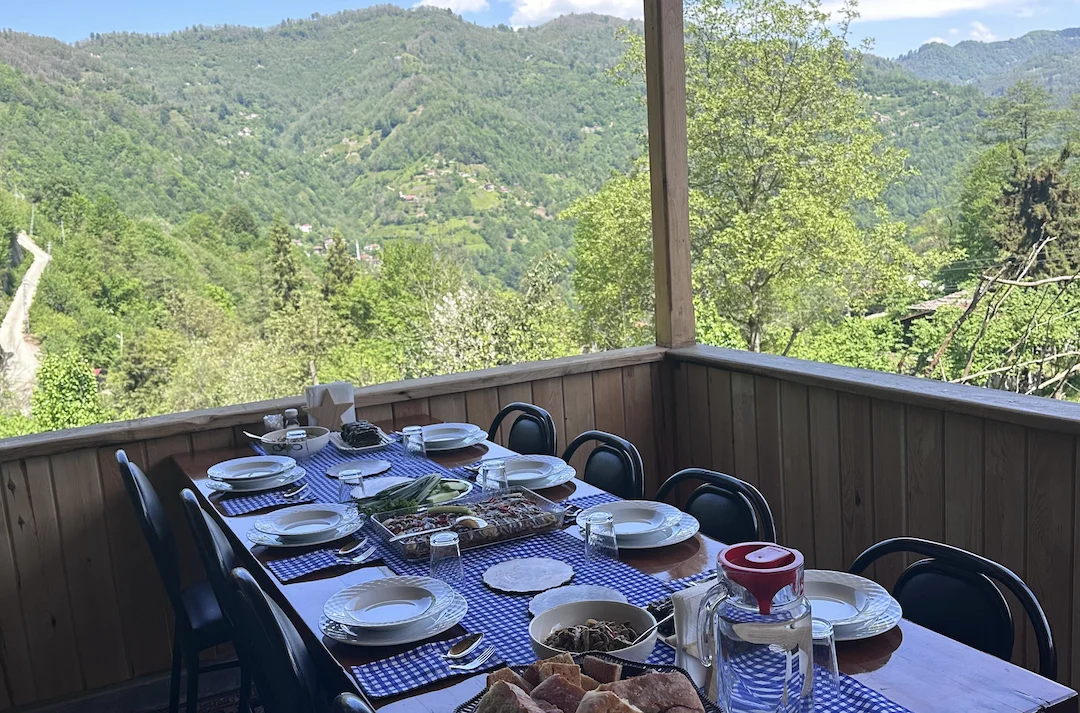
Lunch brought us to a mother-daughter-run restaurant that felt like wandering into an auntie’s house for a meal and a few laughs. Soon, the table was filled with Eastern Black Sea specialties, offering a taste of the ingredients that have sustained communities here for generations.
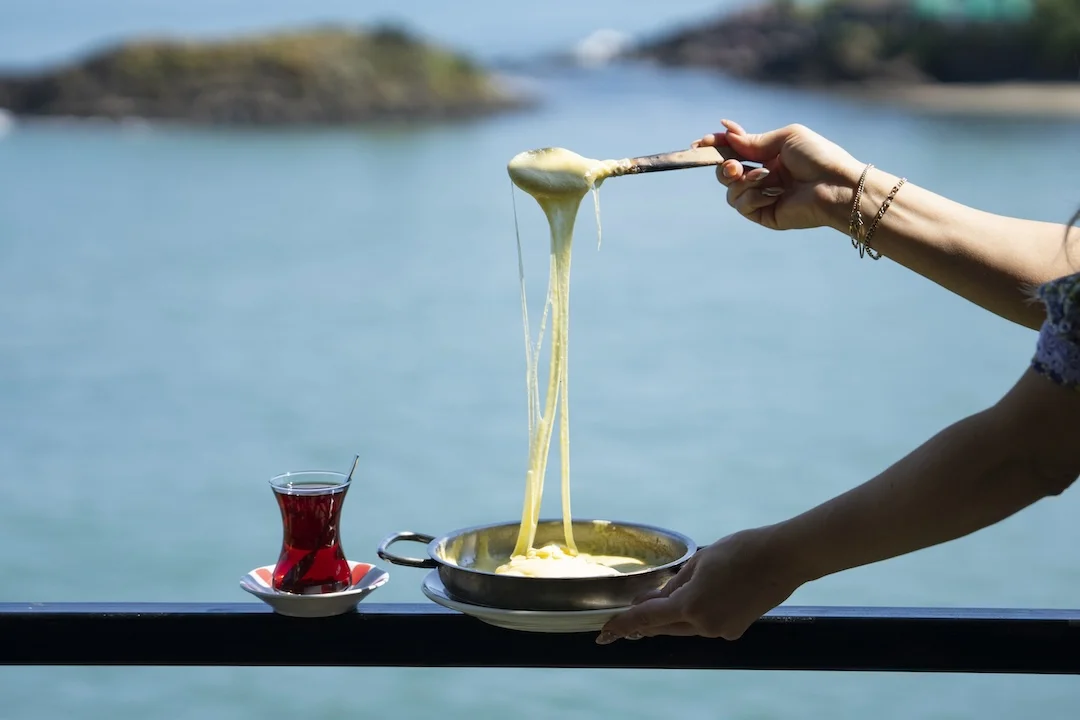
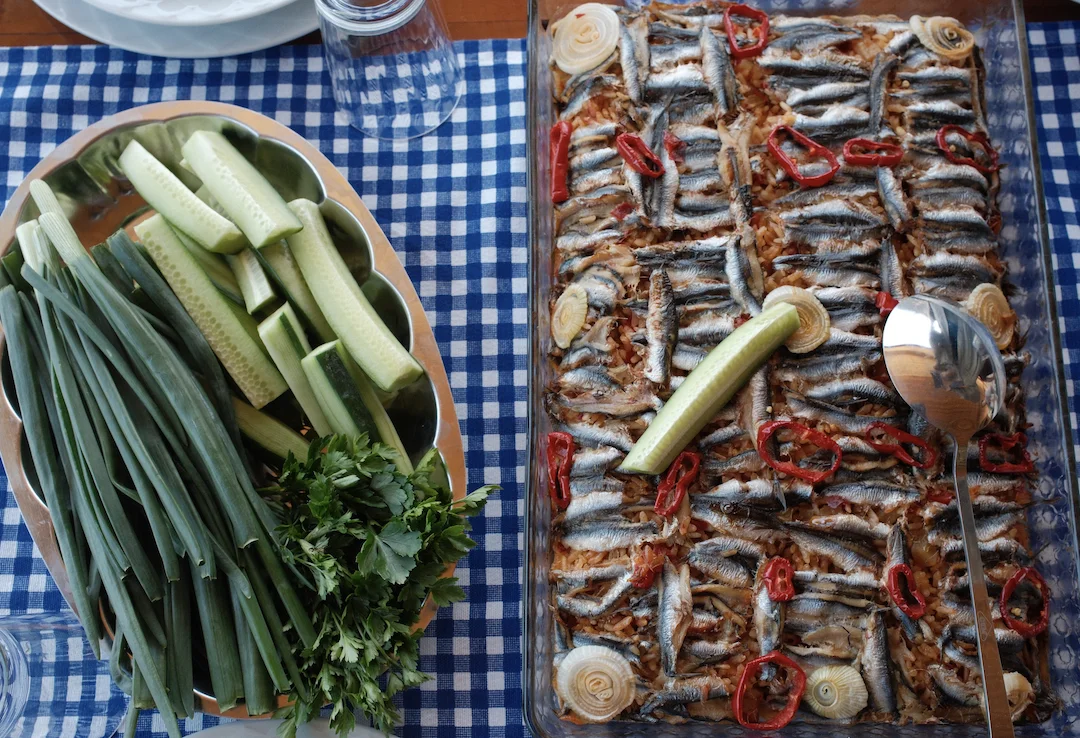
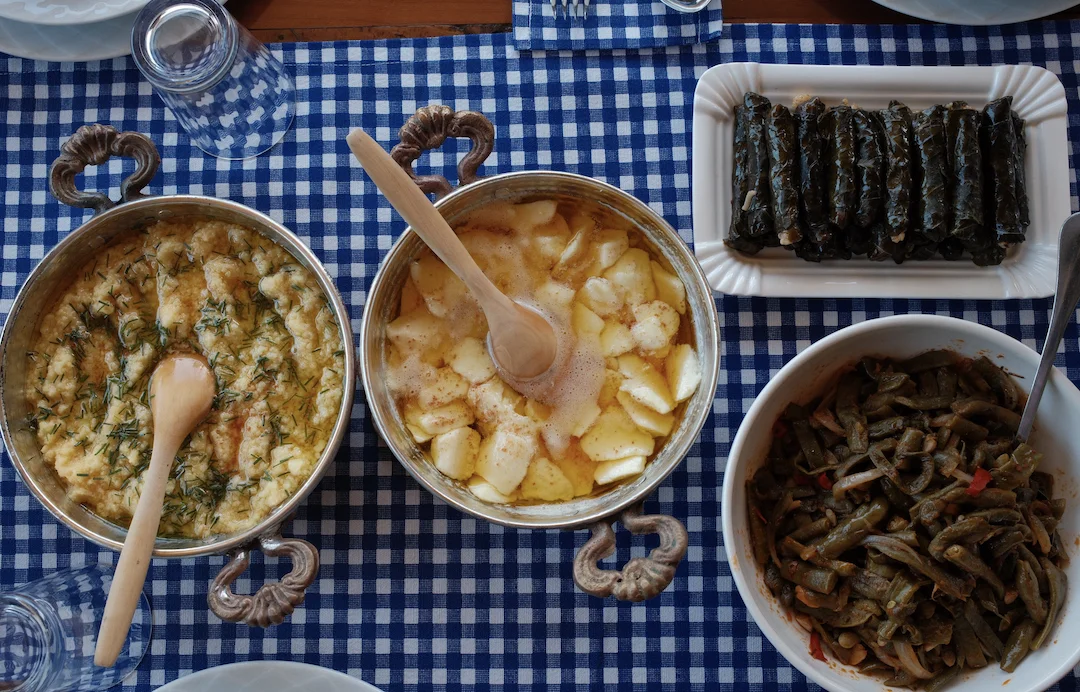
There was hamsi, the humble anchovy that is fittingly a regional obsession. These little fish find their way into everything from rice pilaf and soups to fried preparations and even corn flour cakes. Then came the comfort foods: a warming yogurt soup, cabbage prepared without meat, and muhlama, a rich combination of butter, cornmeal, and melted cheese that’s something like the Black Sea’s answer to fondue.
We also tried havits, another cornmeal-based specialty made with cheese and cream, proving there’s apparently no shortage of ways to combine dairy and corn in these parts. Nothing was particularly elaborate, but that was the appeal. This was food rooted in tradition, prepared with care, and best enjoyed around a crowded table.
A Final Taste
By the end of our journey, it was clear that the Eastern Black Sea’s greatest charm lies in how effortlessly its food and landscape come together. From tea sipped beside a waterfall to meals shared in mountain villages, this is a corner of Türkiye best explored slowly, with an appetite and a willingness to take the scenic route.