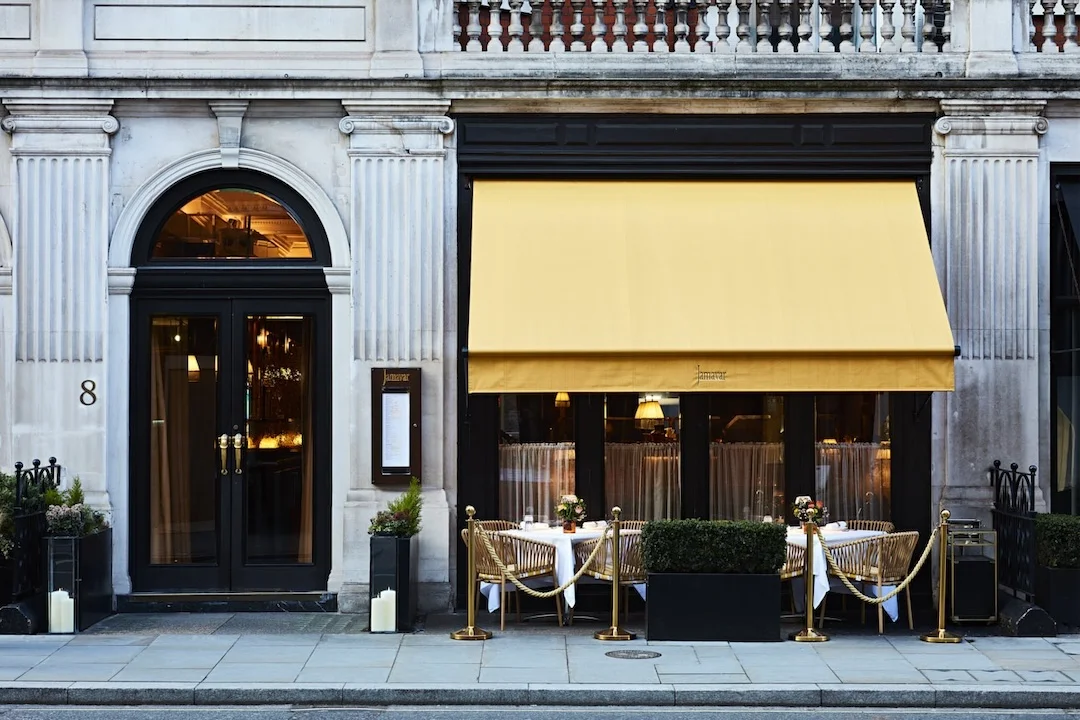
London has no shortage of excellent Indian restaurants, but few have made quite the impression on Mayfair’s dining scene as Jamavar. With a Michelin star to its name, interiors fit for royalty, and a menu that takes diners on a culinary tour of the subcontinent, it’s a restaurant that knows how to make an entrance. On a recent visit to London, I stopped in to see whether the food could live up to the splendor its known for.
The Back Story
Jamavar takes its name from the intricately woven Kashmiri shawls once prized by Indian royalty. The restaurant has its roots in India’s luxury hospitality world, originating with The Leela Palaces, Hotels and Resorts, where the Jamavar name became synonymous with fine dining.
After establishing itself across India, Jamavar made its London debut in Mayfair in 2016. Since then, the brand has expanded internationally, with Michelin-starred sister restaurants in Doha and Dubai.
At the helm of the London kitchen is Executive Chef Surender Mohan, whose three decades of experience have helped shape Jamavar’s identity. Under his leadership, the restaurant regained its Michelin star in 2022, cementing its place among London’s top Indian dining destinations.
The Interior
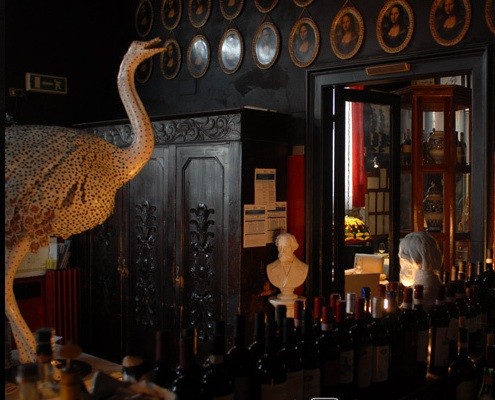
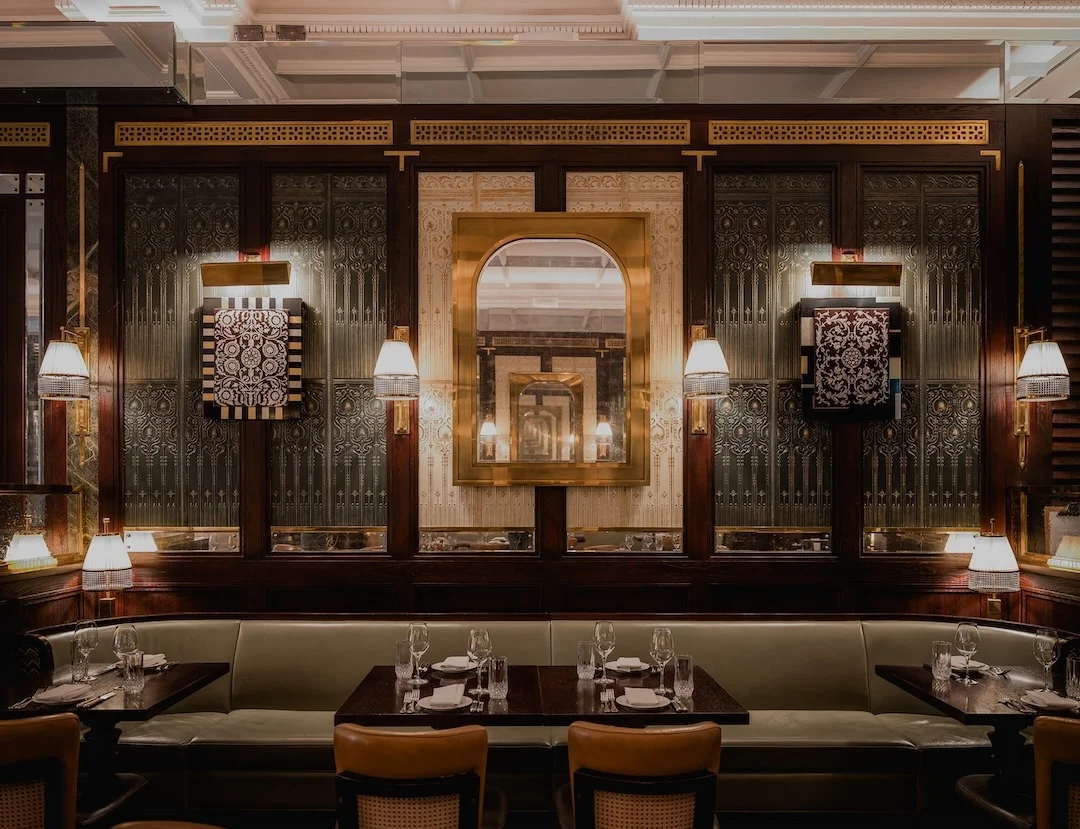
Jamavar is all about grandeur. There’s an almost Gothic quality to the space, with soaring ceilings, dark timber, polished brass, and rich marble creating a moody atmosphere. Inspired by India’s royal heritage and New Delhi’s former Viceroy’s House, the interiors embrace old-world opulence with something a little contemporary.
Spread across two floors, the restaurant comprises the ground-floor Dining Room and the more intimate Game Room below. Colorful works by artist Jayasri Burman are hung around the upstairs floor and a sculptural bar inspired by traditional Indian printing blocks anchors the room. Downstairs, the Game Room nods to traditional Indian games like Chaturanga and Pachisi.
Small Plates
Before we’d even ordered, a tray of assorted pappadums, or appalams, depending on which part of India you call home, arrived with a selection of mango and tomato chutneys. Jamavar offers both tasting menus and à la carte dining, but we opted to chart our own course, beginning with my favorite part of any meal: the small plates.
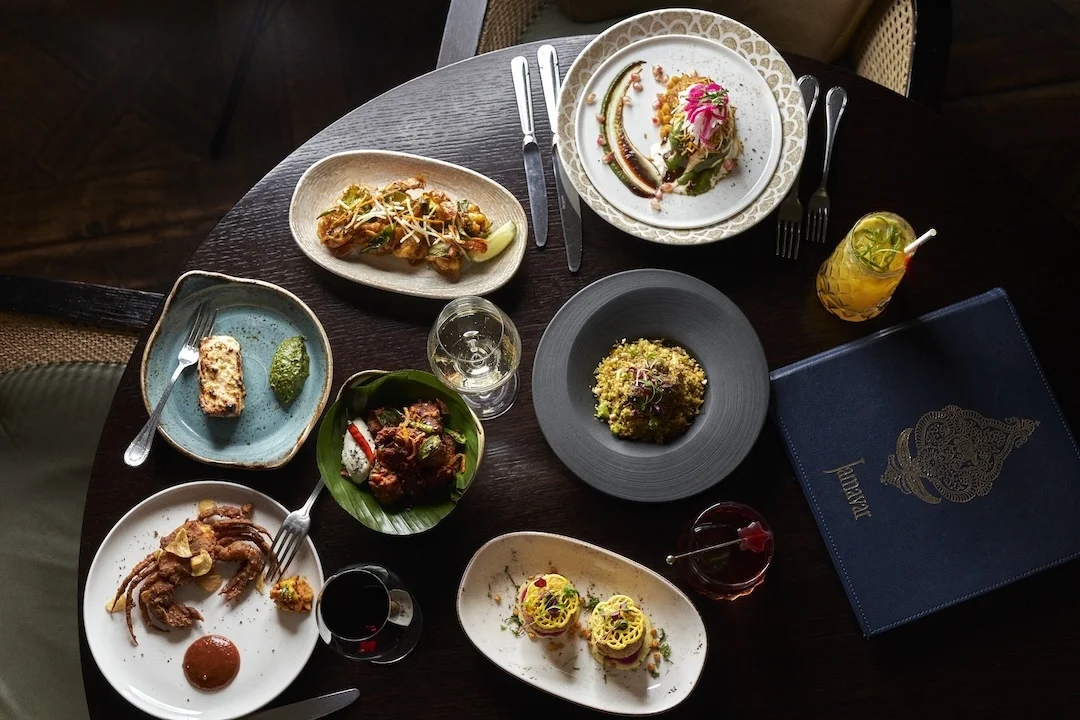
Drawing inspiration from India’s bustling street food markets, the selection spans everything from southern coastal seafood to Old Delhi’s famous chaat, all dressed up for London’s Mayfair neighborhood. Naturally, we ordered a bit of everything.
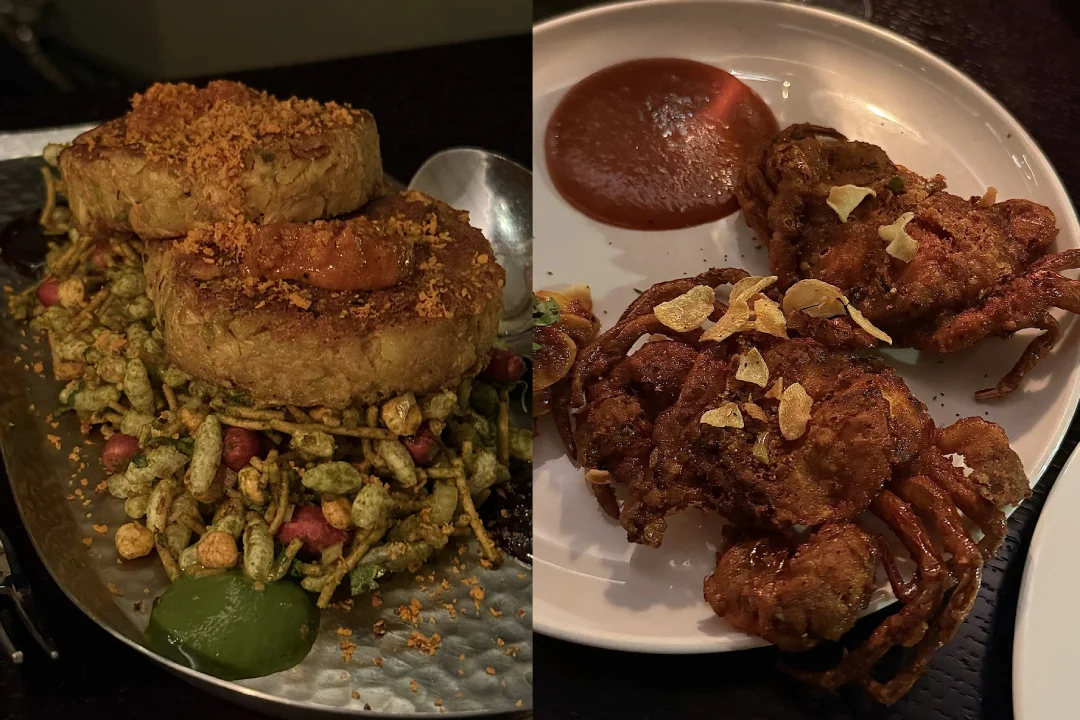
First to arrive was the Tellicherry Pepper and Garlic Soft Shell Crab, a whole soft-shell crab dredged in seasoned flour and deep-fried until golden, its legs splayed across the plate in a rather dramatic presentation. A dollop of plum chutney provided a sweet contrast, while a garlic chips added another layer of crunch.
The Malabar Prawns followed, and what immediately won me over was the spice levels. There was no dulling down flavors for the international palates here. Sautéed with turmeric, onions, and curry leaves, the juicy prawns carried the earthy flavors of Kerala’s Malabar Coast. The curry leaves, in particular, lent that South Indian aroma. It was easily one of the punchiest dishes of the evening.
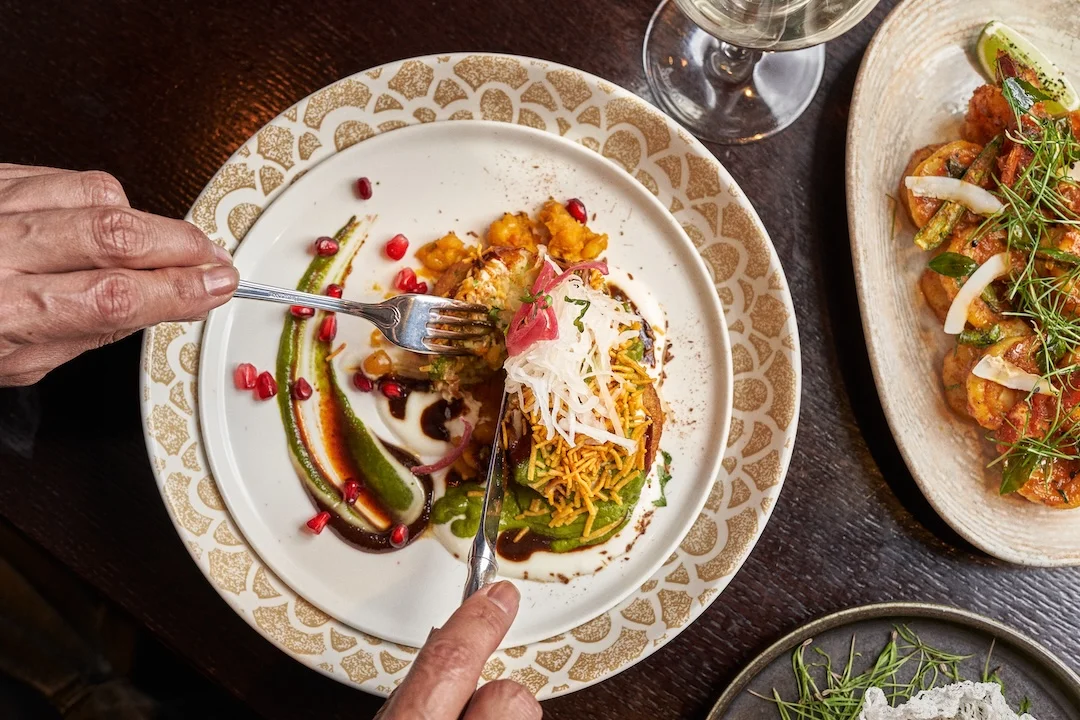
From the south, we headed north with the Chandni Chowk Ki Aloo Tikki, named after Old Delhi’s famously chaotic street food thoroughfare. Crisp potato cutlets came layered with mint chutney, spiced white peas, yogurt, and sweet-and-sour tamarind. Every bite delivered a little crunch, creaminess, and tang. It retained the messy, flavorful spirit of the original, albeit with a more polished presentation.
The last of our small plates was my favorite, the Kathal Bhel. I’ve always had a soft spot for jackfruit, particularly in savory dishes, so this was an easy sell. Jackfruit cutlets rested on a bed of crunchy puffed rice, finished with date-tamarind chutney. Another clever take on the beloved Indian street snack, it played beautifully with texture without losing sight of its street food roots.
Still, a few dishes had me contemplating another round. The Lobster Idli Sambar, pairing a South Indian breakfast staple with lobster, and Chettinad Chicken Croquettes, a marriage of French technique and Tamil Nadu’s famously spice-forward cuisine, both piqued my curiosity. With several courses still ahead of us, we sadly had to draw the line somewhere.
The Mains
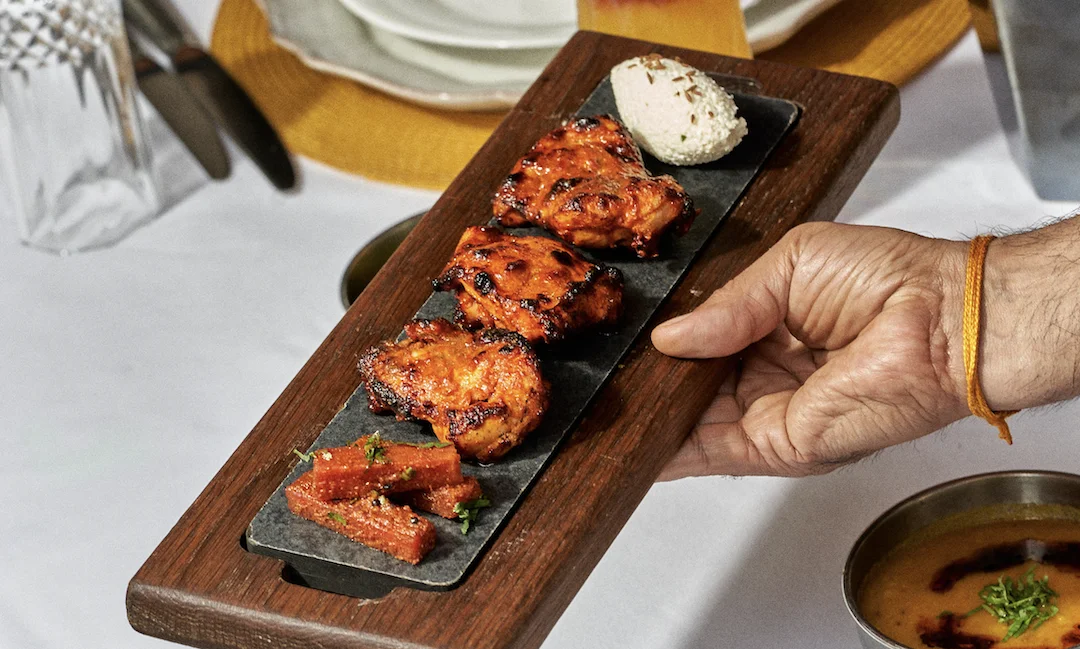
If the small plates were a tour of India’s street food, the mains ventured into richer territory. My favorite was the Rajasthani Laal Maas, an eight-hour-slow-cooked lamb shank swimming in a deep red, tomato-rich curry. Traditionally associated with Rajasthan’s royal kitchens, laal maas is known for its fiery chilies, and Jamavar’s rendition didn’t disappoint. The lamb was so tender it practically fell apart at the touch of a fork, while the savory sauce delivered a slow-building heat.
Naturally, every last bit was mopped up with an assortment of Indian breads. My favorite was the Kulcha, stuffed with a rich three-cheese paneer filling. One must never say no to bread, so we also sampled a sun-dried tomato and basil naan and a sweet-and-salty Peshwari, whose nutty sweetness paired particularly well with the spicier curries.
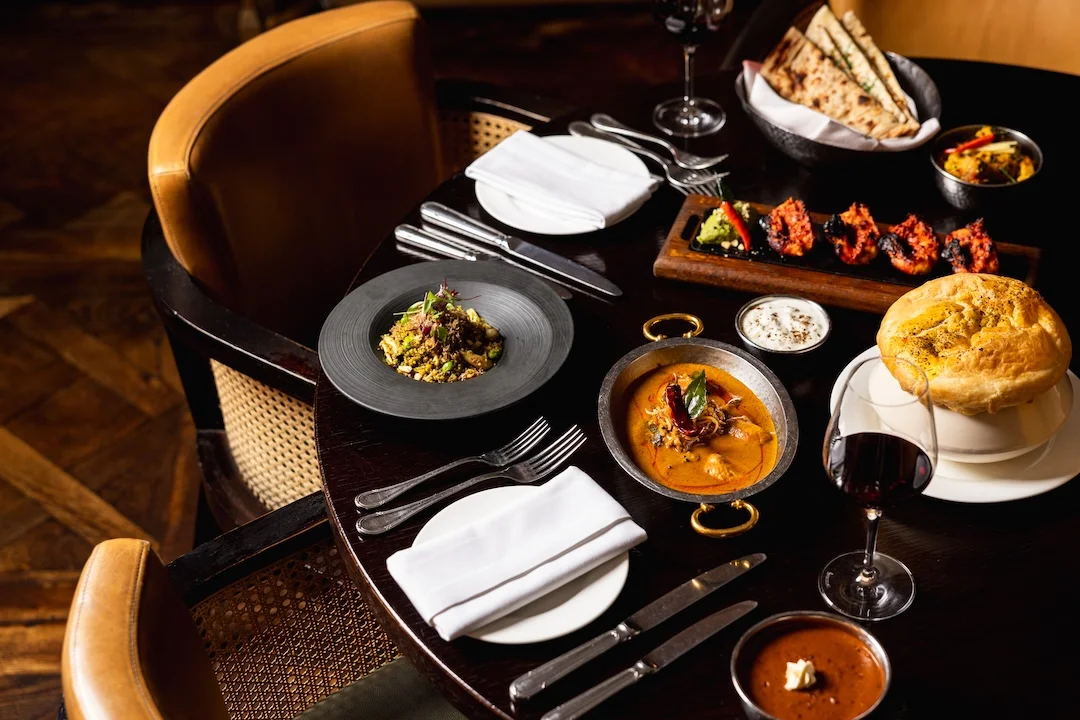
Another one of Jamavar’s signatures was the Shahi Palak Paneer, a North Indian classic featuring soft cubes of homemade paneer in a velvety spinach sauce with tomato, fenugreek, and fresh chili. Creamy with a kick, it was a lighter counterpoint to the fiery Laal Maas and yet another excuse to reach for the bread basket.
Over the years, I’ve developed a personal benchmark for judging Indian restaurants: their dal. It’s a simple dish that relies less on presentation, and more on patience and getting the basics right. Jamavar’s Dal Jamavar, made with black lentils slow-cooked for 24 hours, certainly passed the test. Thick, creamy, earthy, and generously spiced, it was comfort food at its finest.
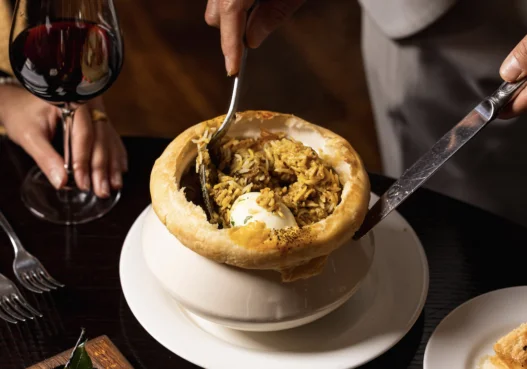
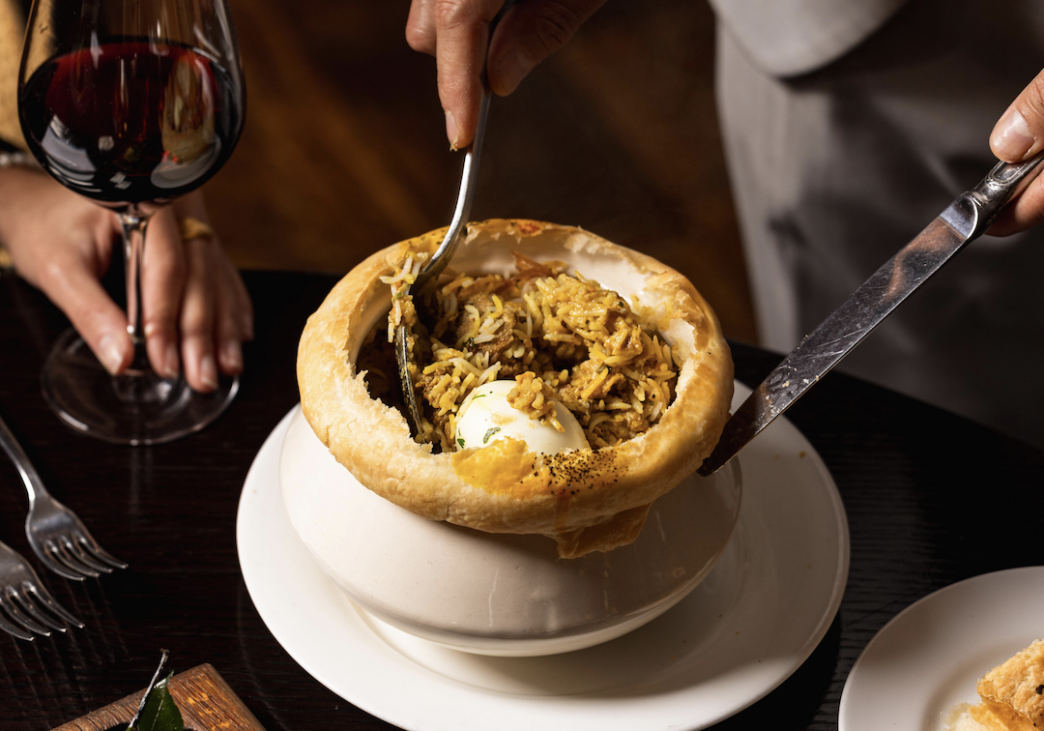
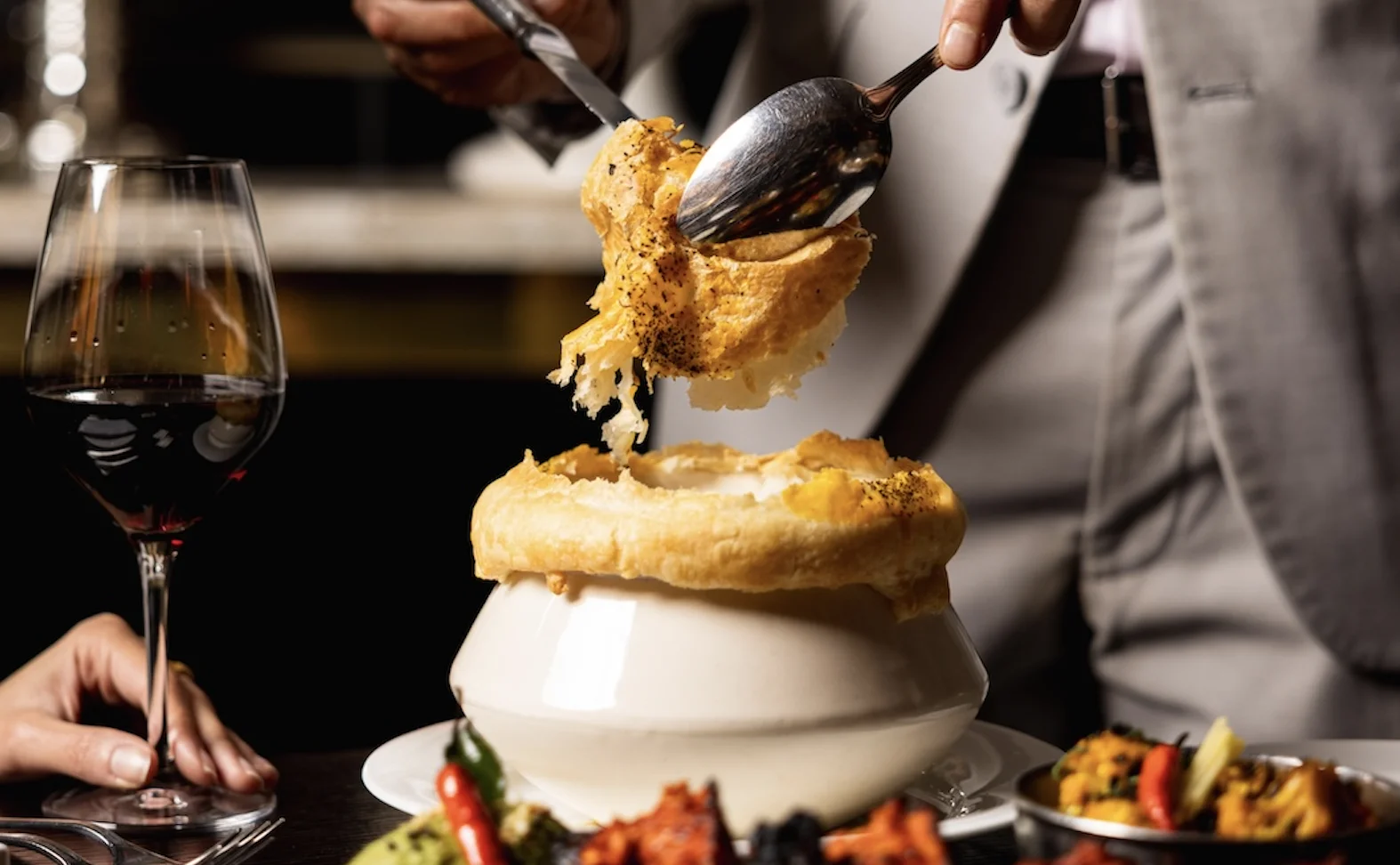
There were, naturally, a few dishes that caught my eye at neighboring tables. The Dum Nalli Biryani was served beneath a pillowy pastry crust, it released a cloud of fragrant steam when cracked open, a theatrical nod to the traditional dum cooking method. There was also the Malvani Prawn Curry, inspired by India’s western coast, was another temptation. Alas, even my appetite has its limits, and those will have to wait for a return visit.
The Drinks and Dessert
By dessert, we were well past the point of being full, but that didn’t stop us from ordering the Winter Berries Rasmalai and Pistachio Milk Cake. The latter was a striking green creation, with a light, sponge-like cake sitting in a pool of nutty pistachio sauce, accompanied by cream cheese, vanilla, and rose petals. Rich in pistachio flavor without being overly sweet, it was a lovely finish.
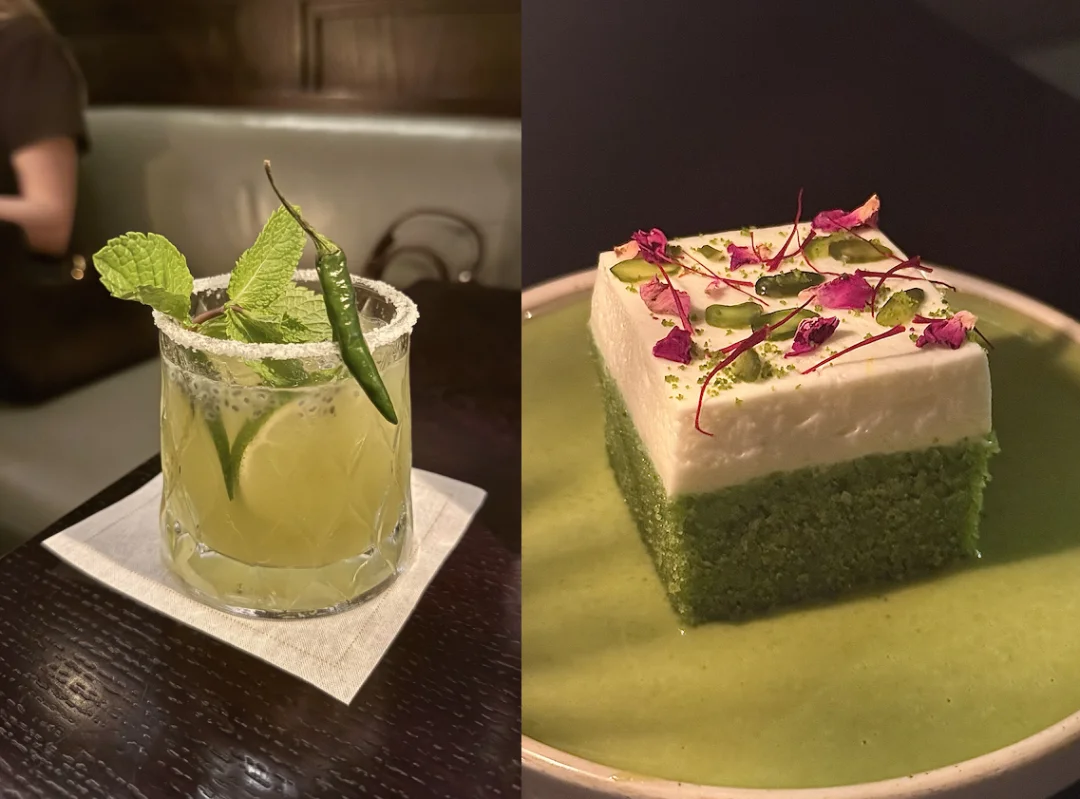
While I usually gravitate toward wine with dinner, Jamavar’s cocktails are worth exploring. The menu plays with ingredients like coconut oil, coriander purée, and black cardamom, giving familiar Indian flavors some unexpected applications. We particularly enjoyed the Kulukki Margarita, complete with basil seeds and a fresh green chili perched on the rim. A fitting accompaniment to a meal that was never shy on spice.
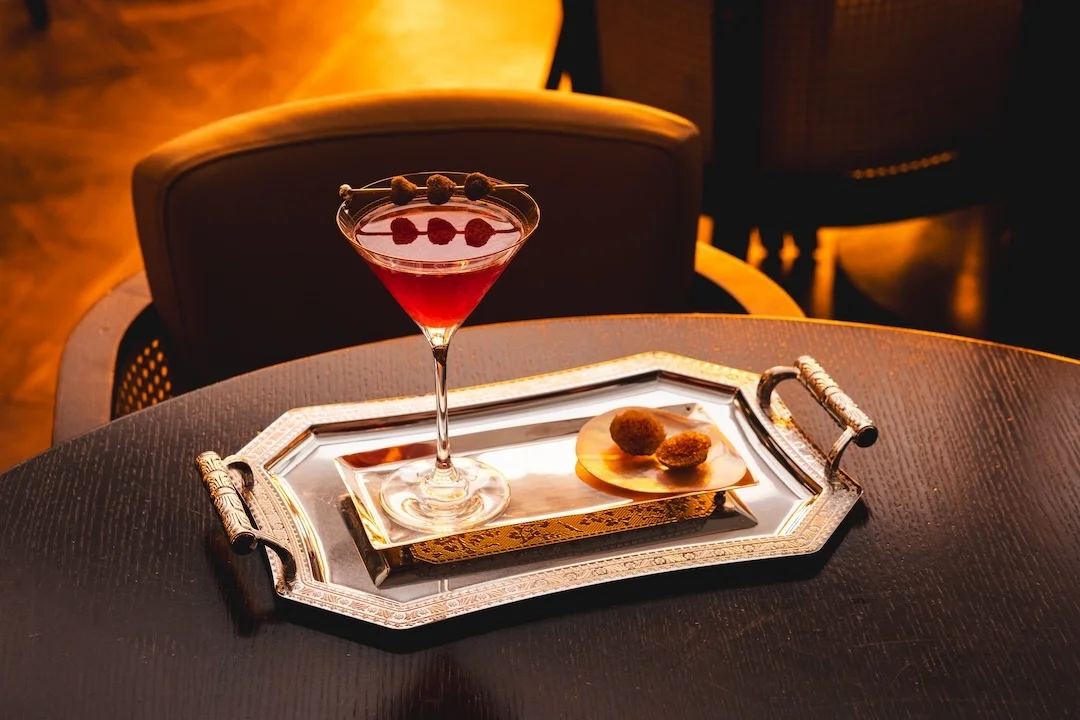
And then there’s the £50 Tamarind Martini. I can’t vouch for it personally, but at that price, I’m certainly curious. Perhaps one for the next visit!
The Verdict
Jamavar makes a compelling case for why Indian cuisine deserves its place among the world’s great fine-dining traditions. What impressed me most wasn’t the Michelin-starred polish or the grand interiors, but the kitchen’s willingness to let the authentic flavors we know and love take stage. From a fiery Laal Maas to the humble dal, the dishes embraced tradition rather than being reinvented for fine dining sake. It’s an expensive evening out, but one that’s well worth it. And with a few dishes still on my wish list, I suspect I’ll be back.
Jamavar
Website
8 Mount St, London U.K.