



Fermenting and preserving foods and drinks has really hit its stride. Check out these tips from cookbook author Charlotte Pike and a recipe for Kraut-Chi.
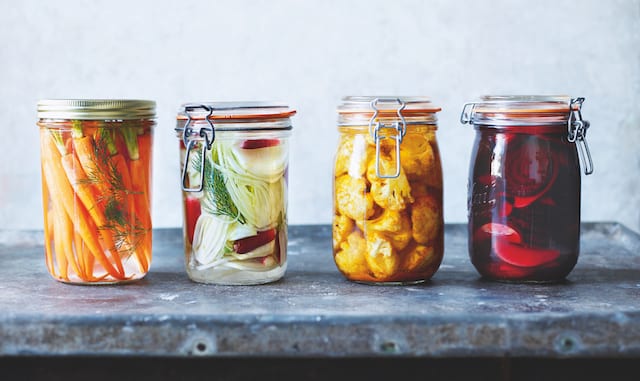
More than ever, fermented fruits, vegetables, bread, yogurts, and even drinks are getting the spotlight they rightfully deserve. Every culture and cuisine has its own favorite method and foods to ferment. In Charlotte Pike’s book, Fermented, she showcases a variety of techniques and style while lifting away the mystique we often associate with the seemingly magical process of fermentation. 

Clear, concise, and still informative, Fermented not only explains how to simply ferment, but also the benefits of consuming fermented foods. The book not only provides informative fermenting recipes, but also recipes to serve those fermented foods with, like a kimchi soup or tandoori chicken with homemade yogurt. Here are some of our favorite tips to fermenting from Charlotte Pike’s books as well as a recipe for Kraut-Chi, a popular hybrid of German sauerkraut and Korean kimchi.
Always Use Pure Water
It may seem like an unimportant ingredient, but using pure water, not water from a tap, is crucial when fermenting. Any chemicals, like chlorine, commonly found in city water will prevent fermentation from happening properly.
Always Use Pure Sea Salt
Just like with water, pure sea salt that doesn’t contain additives like iodine is important. Iodine naturally kills microorganisms which are the little guys that carry out fermentation.
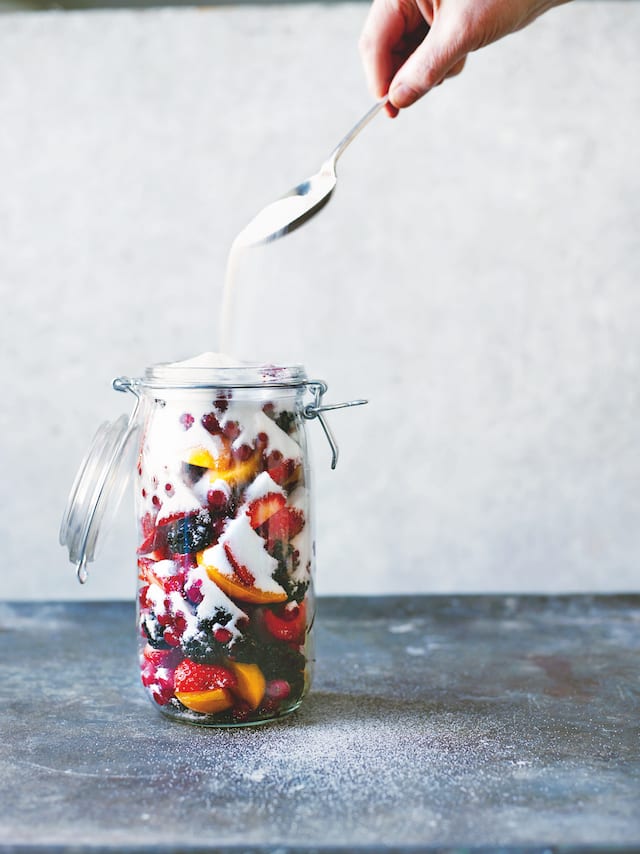
Fermentation Makes for the Perfect Gift
Whether a homemade granola or a jar of kimchi, fermented foods can be the perfect gift for someone who has it all. Try making Rumtopf, with the recipe in Fermented. Rumtopf is made by combining fruit, sugar, and rum to make a deliciously boozy ice cream addition.
Make Dairy-Free Yogurt Cheaper
Dairy-free yogurts are available in the store, but they are quite expensive and are usually not fermented, so are missing out on nutritional benefits. You can easily make your own delicious fermented yogurt using coconut milk.
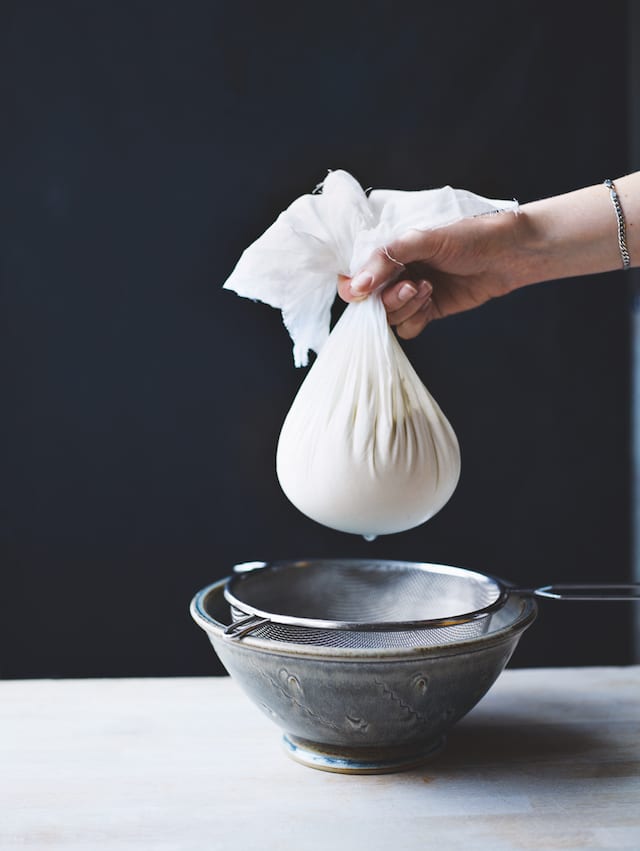
Make the Easiest “Cheese”
Labneh, a Middle Eastern yogurt can be served like a cheese, but takes much less effort to make. Simply fill cheese cloth with whole milk yogurt and let the it drip until only the thicker liquid is left. Then serve the labneh on flatbread, a vegetable tart, or even baked into a cheesecake.

Simple Can Produce the Most Flavor
Sourdough bread can seem like quite the challenge to make, but it only requires the simplest ingredients— water, flour, salt, and wild yeast. Charlotte breaks down the process of making a perfect loaf of bread and troubleshooting for your unique environment. Plus, the fermented grains found in sourdough is easier for your stomach to digest.
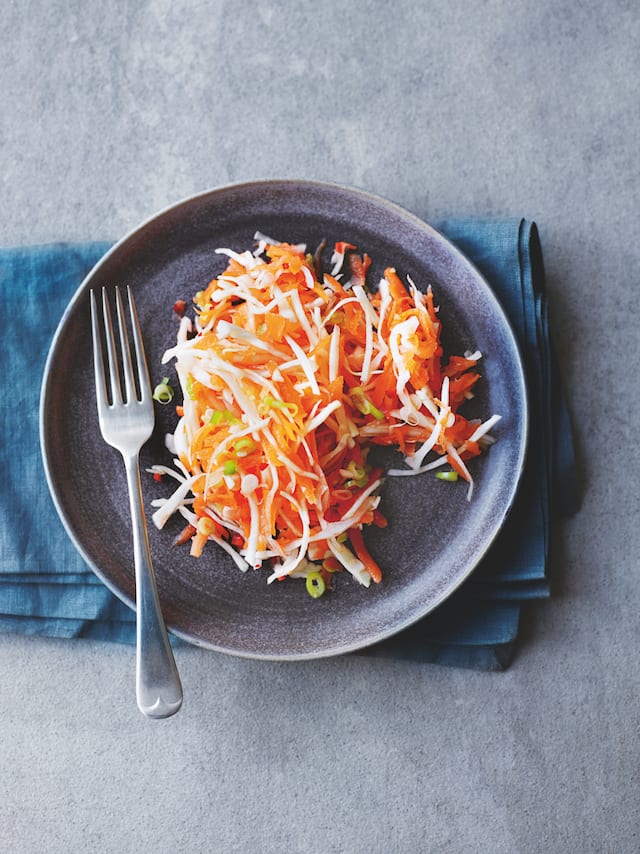
Kraut Chi
- Total Time: 20 minutes plus 3-7 days fermentation
- Yield: 1 quart 1x
Description
Kraut-chi is a delightful fusion of German sauerkraut and Korean kimchi, offering a vibrant blend of flavors and textures. Perfect as a side dish for salads, omelets, or spicy meals.
Ingredients
- 41 ?3 cups organic white cabbage (very thinly sliced)
- 1 bunch of organic scallions (thinly sliced)
- 2 organic carrots (peeled and coarsely grated)
- 1 in piece of fresh ginger (peeled and finely grated)
- 4 teaspoons sea salt
- 1 red chile (finely chopped)
- 2 tablespoons Water Kefir (page 126)
- you will need a 1-quart glass Le-Parfait-style jar with a rubber seal (sterilized according to the instructions on page 11)
Instructions
- Place all the ingredients in a large ceramic or glass mixing bowl. Toss together with your hands until all the ingredients are well combined and the salt begins to draw out moisture from the vegetables.
- Pack the mixture into a 1-quart jar, pressing down well to pack the vegetables tightly and remove any air pockets. Ensure the vegetables are submerged in their own juice.
- Seal the jar with a lid and leave it at room temperature for 3-7 days to ferment. Check daily to ensure the vegetables remain submerged and to release any gas buildup by slightly loosening the lid.
- Taste the kraut-chi after 3 days. If it has reached the desired level of tanginess, transfer it to the refrigerator. If not, allow it to ferment for a few more days, tasting daily.
- Once fermented to your liking, store the kraut-chi in the refrigerator for up to 6 months.
Notes
Use pure water and pure sea salt without additives to ensure proper fermentation. Taste the kraut-chi daily after the third day to achieve your preferred tanginess. Store in the refrigerator for up to 6 months. This dish makes a great gift and pairs well with a variety of meals.
- Prep Time: 20 minutes
- Cook Time: 0 minutes
- Category: Side Dish
- Cuisine: Fusion
Nutrition
- Serving Size: 1/4 cup
- Calories: 15
- Sugar: 1
- Sodium: 390
- Fat: 0
- Carbohydrates: 3
- Fiber: 1
- Protein: 1
- Cholesterol: 0
Frequently Asked Questions
Why is it important to use pure sea salt when making Kraut-Chi?
Using pure sea salt is crucial because additives like iodine can kill the microorganisms needed for fermentation.
What type of water should I use for fermenting Kraut-Chi?
You should use pure water instead of tap water, as chemicals like chlorine can inhibit the fermentation process.
Can I substitute the cabbage in the Kraut-Chi recipe?
While traditional Kraut-Chi uses cabbage, you can experiment with other vegetables, but be aware that this may affect the fermentation time and flavor.



I’ve never tried any fermenting. What supplies do I need to buy?